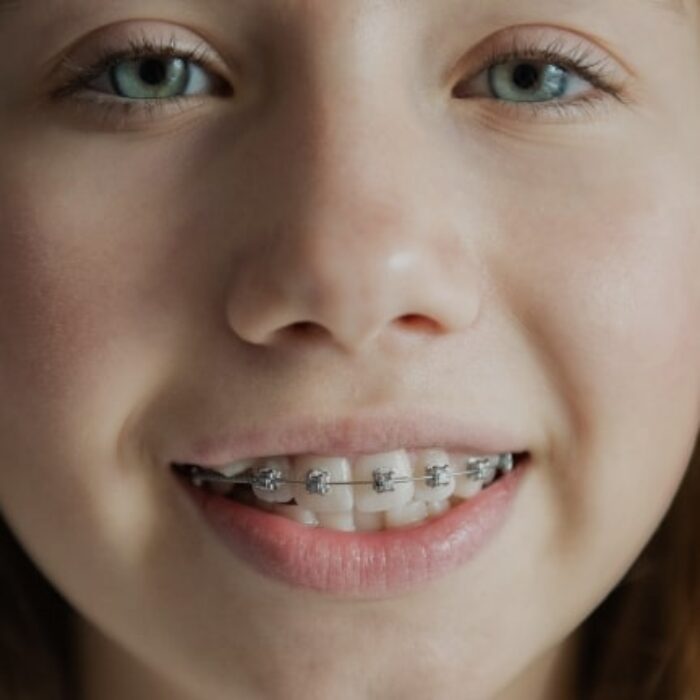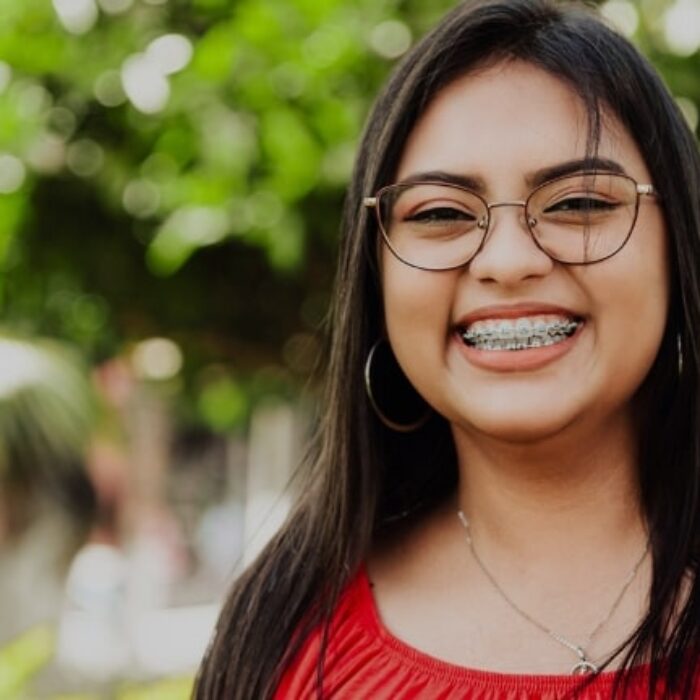
Most parents don’t think about orthodontics until their child’s adult teeth are mostly in and something looks obviously out of place. But orthodontic problems often show early signs well before that point — sometimes as early as age seven or eight. Understanding what “early intervention” actually means, and when it’s relevant, can help parents in Dublin and Swords ask the right questions at the right time.
In orthodontics, early intervention (sometimes called interceptive or Phase 1 treatment) refers to identifying and monitoring developing bite or jaw issues while a child still has a mix of baby and adult teeth — typically between the ages of seven and ten. This isn’t about starting braces early. It’s about assessment and timing: recognising which cases benefit from action now, and which are better left to develop naturally and reviewed later.
The British Orthodontic Society and the Irish Dental Council both note that not every child needs early treatment. In many cases, watchful monitoring is the appropriate course, with treatment (if needed at all) beginning once more permanent teeth have erupted.
Age seven tends to come up in orthodontic guidance because, by this stage:
This doesn’t mean every seven-year-old needs an orthodontic appointment. It simply means this is a reasonable point at which an assessment can offer useful information, particularly if a parent, GP, or dentist has already noticed something worth a closer look.
There’s no need to diagnose anything at home, but these are the kinds of observations that might prompt a conversation with a dentist:
None of these automatically means treatment is needed. They’re simply indicators that an assessment could be worthwhile.
The reason “early” comes up so often in orthodontic conversations isn’t because earlier is inherently preferable — it’s because timing affects which options are available. Some skeletal and developmental issues respond differently depending on how much growth is still happening. A dentist or orthodontist reviewing a child’s teeth and jaw development can advise on whether a “wait and monitor” approach or earlier assessment is more appropriate for that individual case.
This is also why generic advice found online has limits: what applies to one child’s tooth pattern may not apply to another’s, even if the visible signs look similar.
Families in Dublin and Swords searching for guidance — including parents looking into children’s braces in Swords and surrounding areas — will usually find that an initial assessment focuses on observation rather than immediate treatment. This generally includes a review of how the teeth meet, how the jaw is developing, and whether any habits (like thumb-sucking) are influencing tooth position. From there, a dentist can advise whether monitoring, referral, or further evaluation is the sensible next step.
Because families across Dublin and Swords often split time between local dentists and specialist orthodontic practices, it’s worth asking your regular dentist whether they carry out early developmental checks as part of routine visits, or whether a separate referral is more suitable for your child’s situation.
It’s worth being cautious of anything that suggests early intervention is always necessary or always avoidable — neither is accurate. The appropriate path depends on the individual child’s dental and skeletal development, and a proper assessment is the only reliable way to know which category a particular case falls into.
This subject connects naturally to several related questions parents often ask, which we’ll cover in future articles:
Early orthodontic intervention isn’t a single treatment or a fixed age — it’s a process of timely assessment that helps identify which children may benefit from action now, and which are better served by monitoring. If you’ve noticed any of the signs above, or simply want an informed starting point, a conversation with your child’s dentist is the most useful next step.
BACK TO BLOGAt Lusk Orthodontics, we’re proud to offer one of the most comprehensive ranges of orthodontic treatments in Dublin and across Ireland — all delivered to the highest clinical standards.

5.0
We highly recommend Dr Erfan Sallom. He transformed our daughter’s teeth, and she’s extremely happy with her beautiful smile! We were looking for an Orthodontist…
5.0
I was very anxious about orthodontic treatment and, as such, delayed it for years. I did not need to be nervous with the expertise and…
5.0
I would really recommend anyone to Dr Erfan Salloum. My experience with Erfan was amazing. I had no issue; he was very knowledgeable about his…
5.0
I have just finished my two-year orthodontic treatment with Dr Erfan, and I would highly recommend him. He explained everything perfectly about the treatment plan,…
5.0
We highly recommend Dr Erfan Sallom. He transformed our daughter’s teeth, and she’s extremely happy with her beautiful smile! We were looking for an Orthodontist…
5.0
I was very anxious about orthodontic treatment and, as such, delayed it for years. I did not need to be nervous with the expertise and…
5.0
I would really recommend anyone to Dr Erfan Salloum. My experience with Erfan was amazing. I had no issue; he was very knowledgeable about his…
5.0
I have just finished my two-year orthodontic treatment with Dr Erfan, and I would highly recommend him. He explained everything perfectly about the treatment plan,…

“We highly recommend Dr Erfan Sallom. He transformed our daughter’s teeth, and she’s extremely happy with her beautiful smile! We were looking for an Orthodontist...”

“I was very anxious about orthodontic treatment and, as such, delayed it for years. I did not need to be nervous with the expertise and...”
“I would really recommend anyone to Dr Erfan Salloum. My experience with Erfan was amazing. I had no issue; he was very knowledgeable about his...”
“I have just finished my two-year orthodontic treatment with Dr Erfan, and I would highly recommend him. He explained everything perfectly about the treatment plan,...”









Practice
Treatments
Terms
Discover behind-the-scenes care and amazing results on our Instagram. From patient transformations to everyday moments at our clinic, our feed is filled with smiles, stories, and inspiration.
Copyright