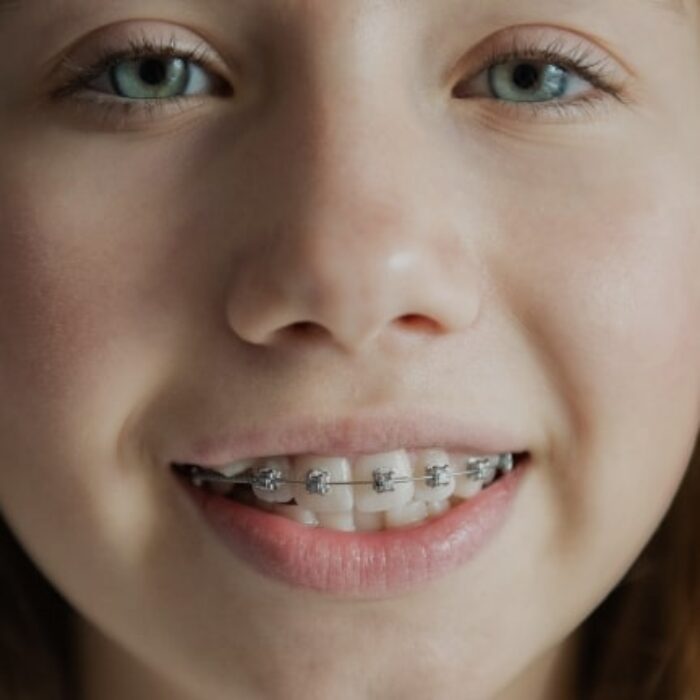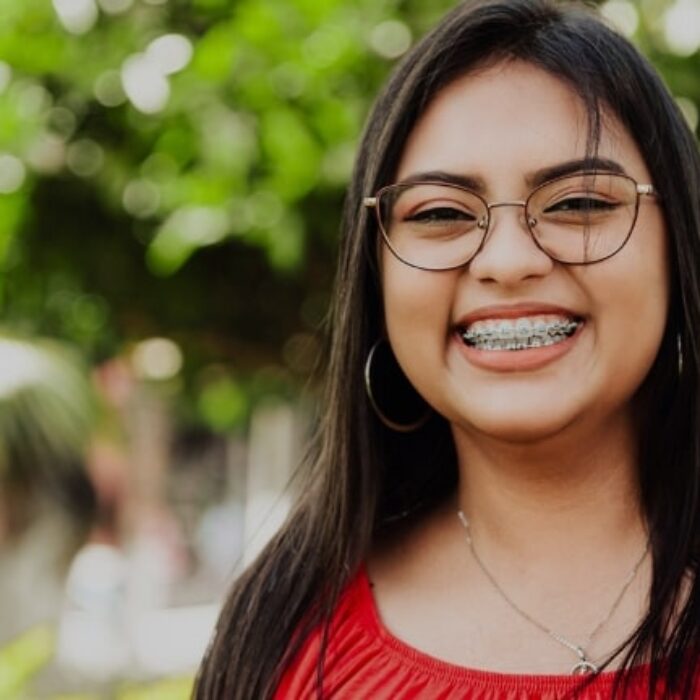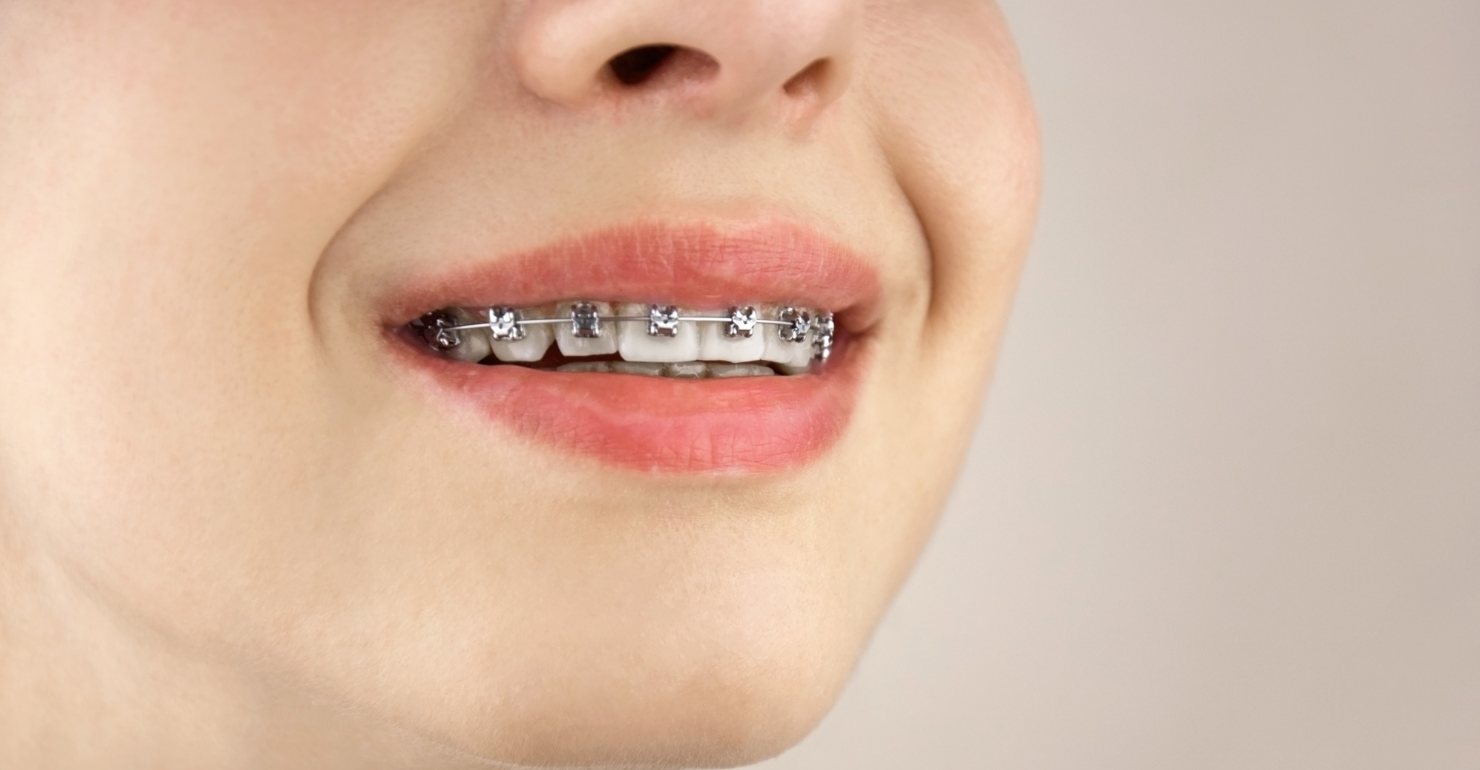
Orthodontic treatment has changed a great deal over the past few decades, yet traditional fixed braces remain a common recommendation for patients across Dublin, including those searching for fixed braces in Swords. With so many newer options now available, it’s reasonable for patients to ask why a treatment that has been around for generations is still so widely used. The answer lies less in novelty and more in the breadth of evidence, versatility and predictability that fixed braces offer.
Fixed braces have been studied and refined for well over a century, which means dentists and orthodontists have access to a substantial body of clinical evidence on how they perform across different age groups, jaw sizes and bite patterns. This doesn’t mean the technology has stood still — modern brackets, wires and adhesives are considerably more refined than earlier versions, generally allowing for smaller brackets, more comfortable adjustments and shorter review intervals than in the past.
For patients considering their options, this depth of evidence can be reassuring. Newer treatments may work well for many cases, but they don’t always have the same length of follow-up data behind them.
One of the main reasons fixed braces continue to feature in orthodontic planning is their versatility. Because the brackets are bonded directly to each tooth and connected by a wire, a dentist can apply controlled, precise forces to move teeth in several directions at once — including rotations and vertical adjustments that some removable systems find harder to manage.
This tends to make fixed braces a suitable option for:
It’s worth noting that suitability always depends on an individual assessment. A dentist or orthodontist will consider the position of the teeth, the underlying bite, oral health and the patient’s own preferences before recommending any particular approach.
| Consideration | What Patients Often Notice |
|---|---|
| Diet | Some adjustment to sticky or hard foods is usually needed |
| Cleaning | Requires a slightly modified brushing and flossing routine |
| Adjustments | Periodic check-ups are needed to adjust wires and tension |
| Visibility | Brackets and wires are visible, which matters more to some patients than others |
| Discomfort | Mild sensitivity after adjustments is common and typically temporary |
None of these points is unique to fixed braces, but understanding them in advance tends to help patients feel more prepared, regardless of which treatment they eventually choose.
Choosing between fixed braces and alternative options isn’t only about appearance. Patients considering fixed braces in Swords, or elsewhere in Dublin, may find it useful to ask their dental team:
Fixed braces aren’t the only orthodontic option available, and they won’t be the right fit for every patient. However, their long clinical history, adaptability to complex cases and the depth of research behind them explain why they continue to be recommended alongside newer alternatives. For patients weighing up fixed braces in Swords or across Dublin, the most useful next step is a personalised assessment with a dental professional, who can explain how the available evidence applies to their individual circumstances.
BACK TO BLOGAt Lusk Orthodontics, we’re proud to offer one of the most comprehensive ranges of orthodontic treatments in Dublin and across Ireland — all delivered to the highest clinical standards.

5.0
We highly recommend Dr Erfan Sallom. He transformed our daughter’s teeth, and she’s extremely happy with her beautiful smile! We were looking for an Orthodontist…
5.0
I was very anxious about orthodontic treatment and, as such, delayed it for years. I did not need to be nervous with the expertise and…
5.0
I would really recommend anyone to Dr Erfan Salloum. My experience with Erfan was amazing. I had no issue; he was very knowledgeable about his…
5.0
I have just finished my two-year orthodontic treatment with Dr Erfan, and I would highly recommend him. He explained everything perfectly about the treatment plan,…
5.0
We highly recommend Dr Erfan Sallom. He transformed our daughter’s teeth, and she’s extremely happy with her beautiful smile! We were looking for an Orthodontist…
5.0
I was very anxious about orthodontic treatment and, as such, delayed it for years. I did not need to be nervous with the expertise and…
5.0
I would really recommend anyone to Dr Erfan Salloum. My experience with Erfan was amazing. I had no issue; he was very knowledgeable about his…
5.0
I have just finished my two-year orthodontic treatment with Dr Erfan, and I would highly recommend him. He explained everything perfectly about the treatment plan,…

“We highly recommend Dr Erfan Sallom. He transformed our daughter’s teeth, and she’s extremely happy with her beautiful smile! We were looking for an Orthodontist...”

“I was very anxious about orthodontic treatment and, as such, delayed it for years. I did not need to be nervous with the expertise and...”
“I would really recommend anyone to Dr Erfan Salloum. My experience with Erfan was amazing. I had no issue; he was very knowledgeable about his...”
“I have just finished my two-year orthodontic treatment with Dr Erfan, and I would highly recommend him. He explained everything perfectly about the treatment plan,...”


Practice
Treatments
Terms
Discover behind-the-scenes care and amazing results on our Instagram. From patient transformations to everyday moments at our clinic, our feed is filled with smiles, stories, and inspiration.
Copyright