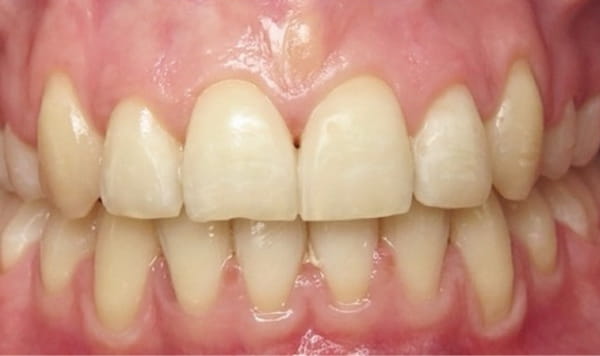
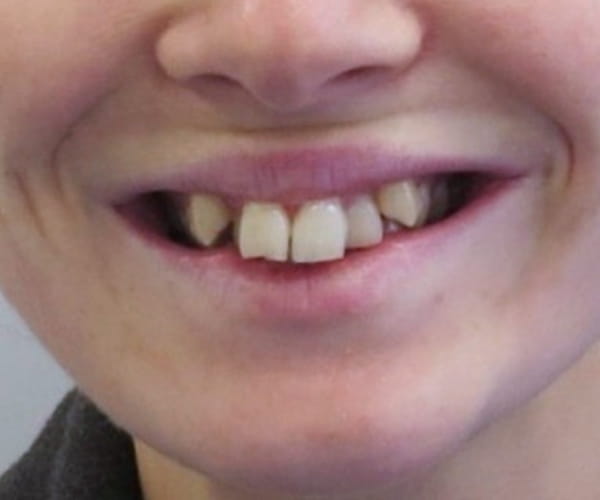
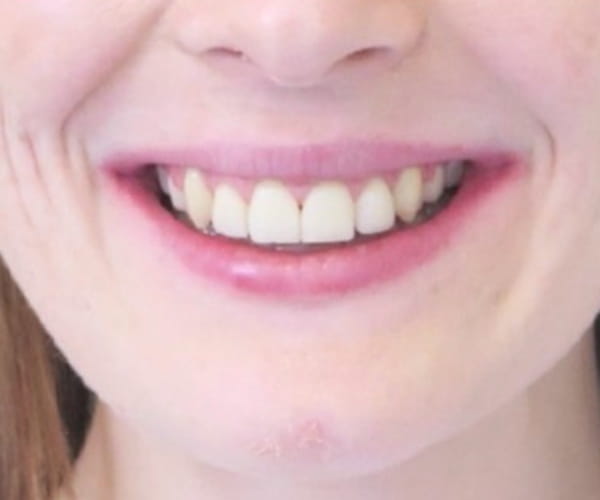
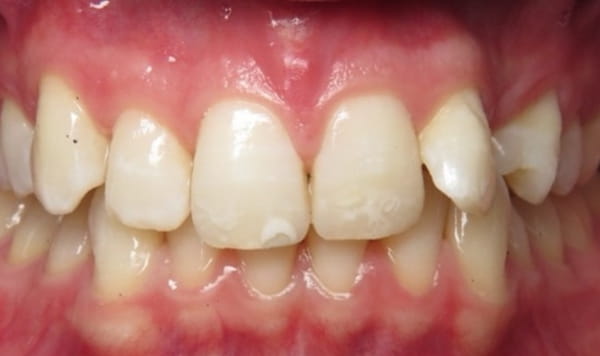
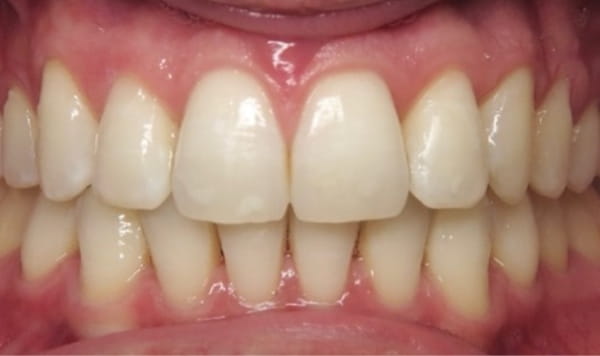
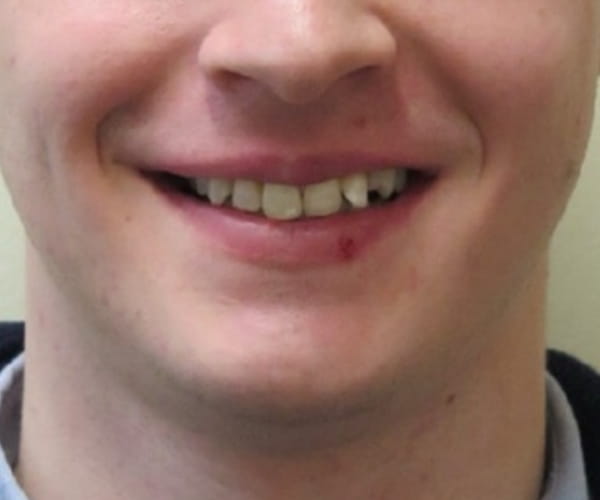
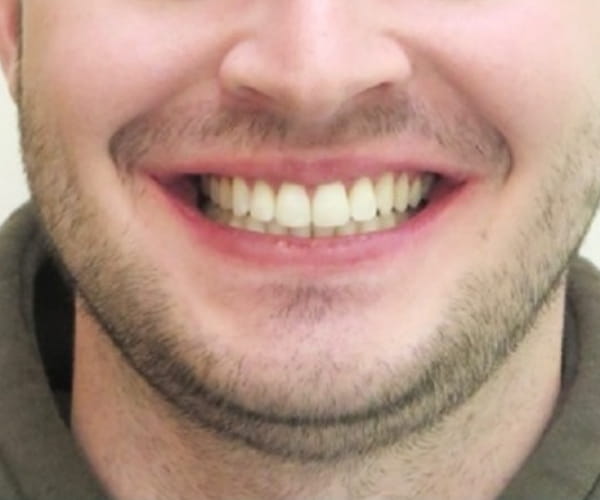
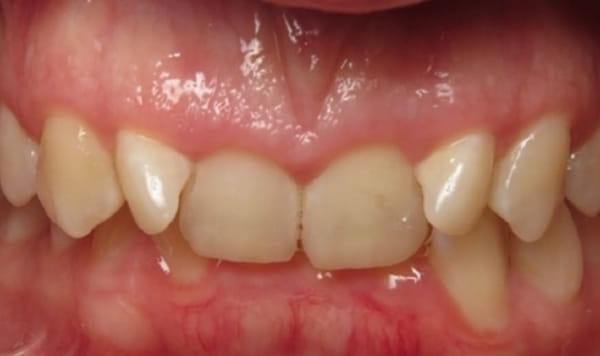
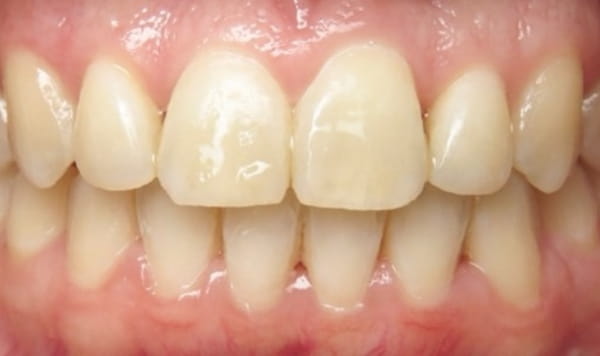
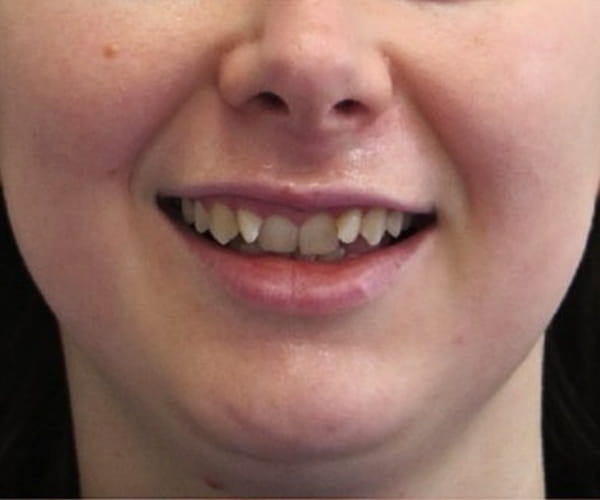
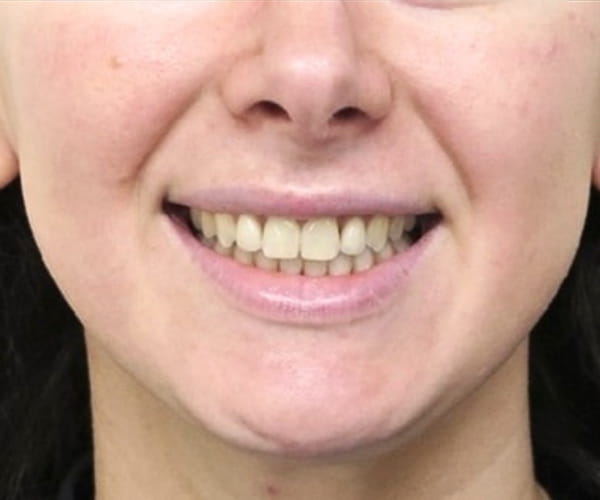
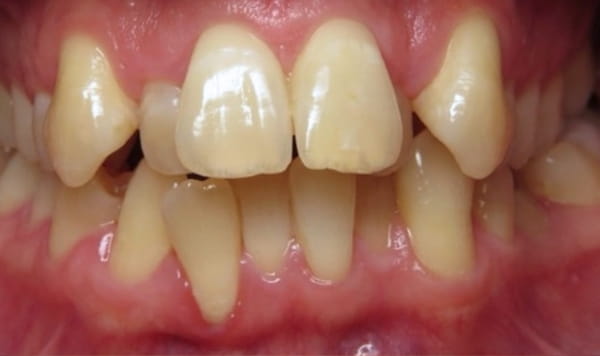
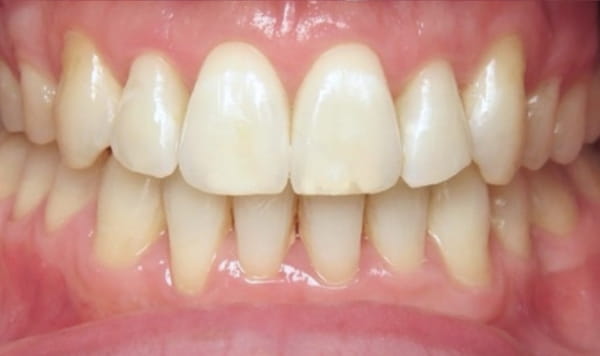
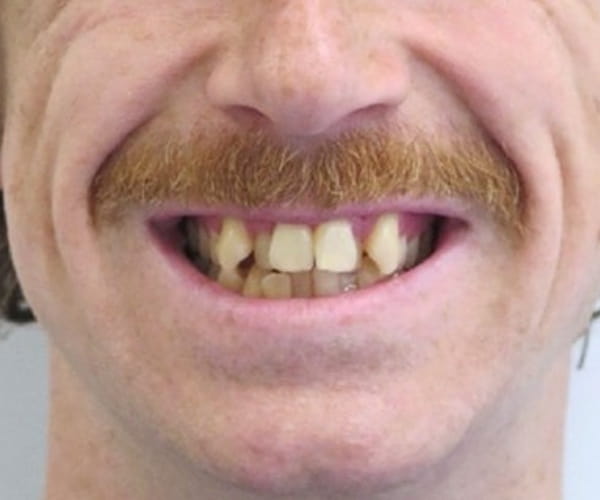
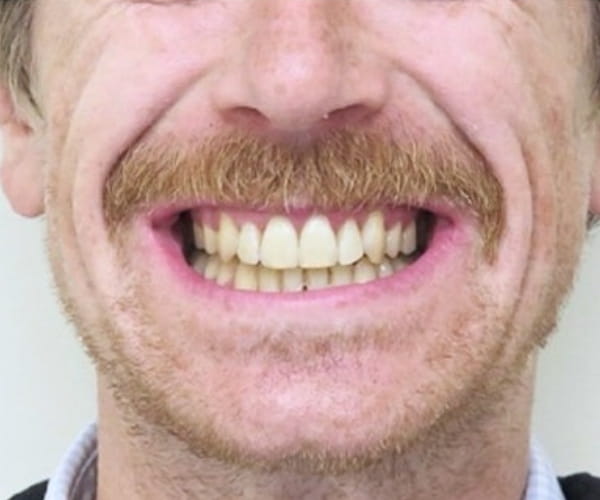
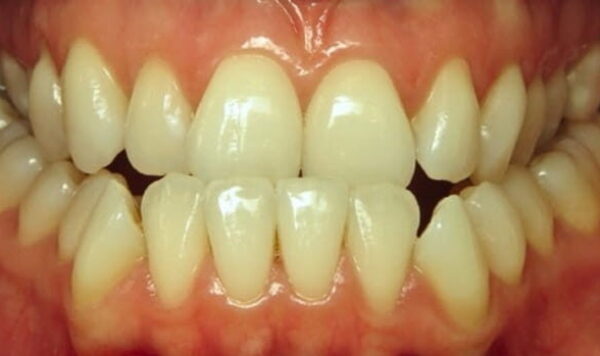
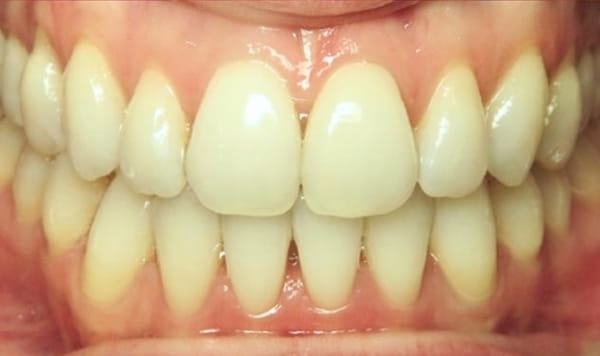
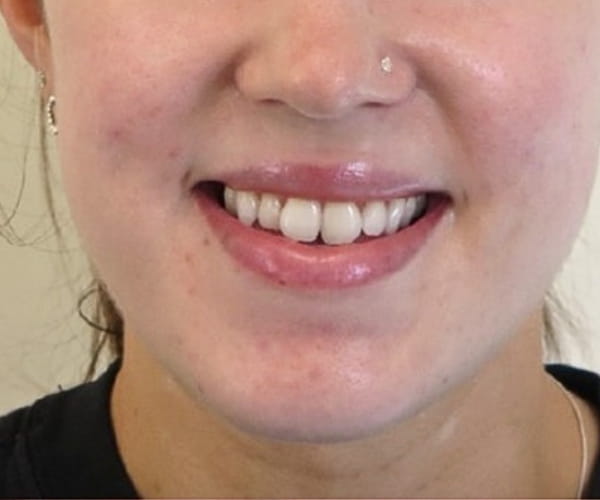
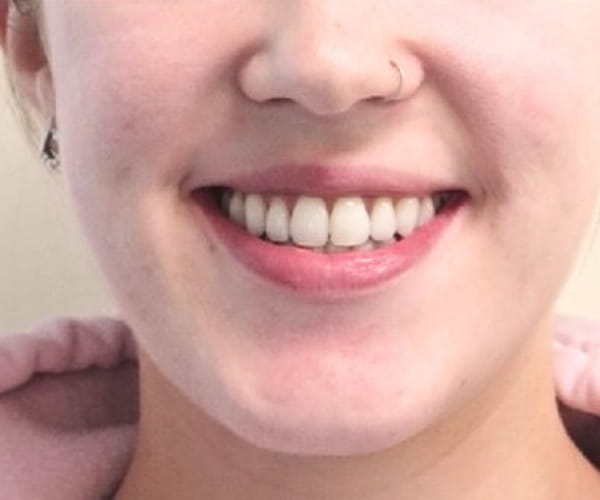
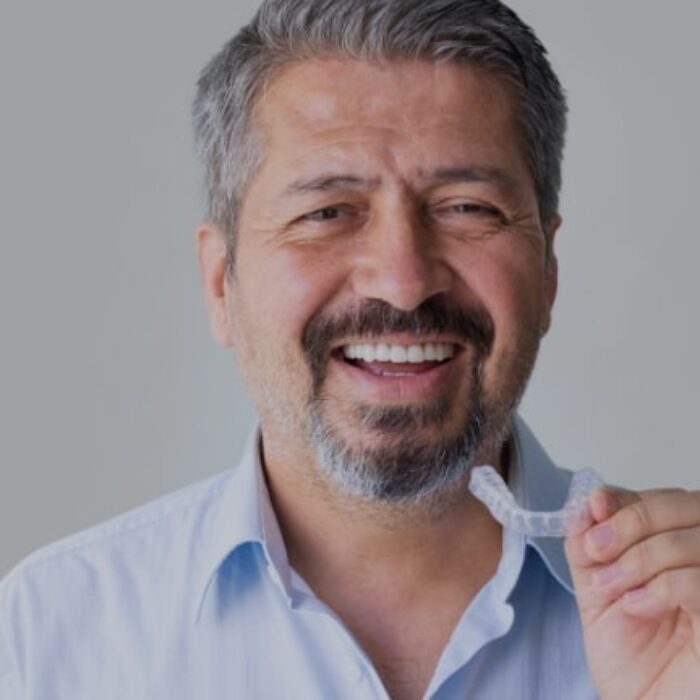
The jaws, the nose and the upper airway develop together. In some teenagers, a narrow upper jaw or a set-back lower jaw occurs alongside mouth breathing, nasal blockage or disturbed sleep. These problems can overlap, so we look for them as part of every adolescent assessment at Lusk Orthodontics.
Our role is clear. We assess and treat the teeth and jaws. We look for signs that breathing or sleep may need medical attention, and we refer when we find them. We don’t diagnose or treat sleep apnoea.
Snoring, sleep-disordered breathing and sleep apnoea
Sleep-disordered breathing (SDB) is a broad term. It ranges from simple snoring to obstructive sleep apnoea (OSA).
Most teenagers who snore don’t have sleep apnoea. OSA can only be diagnosed with a sleep study arranged by a doctor. In adolescents, untreated OSA is linked to daytime tiredness, poor concentration, behavioural problems and lower school performance.
The main causes of OSA in teenagers are enlarged tonsils and adenoids, and excess weight. Jaw shape and size can play a part, but they are rarely the only factor.
What we assess
Where relevant, we look at:
If we find signs that breathing or sleep may be affected, we discuss this openly with the patient and their parents. We recommend a GP, ENT or sleep referral where appropriate, and take these findings into account when planning treatment.
A 3D CBCT imaging can show the size of the airway, but it can’t diagnose sleep apnoea. It is taken while awake and upright, and doesn’t show how the airway behaves during sleep.
Teenagers who breathe through their mouth often have a blocked nose. Common causes include allergic rhinitis, enlarged adenoids or turbinates, and a deviated septum.
Mouth breathing is associated with a narrower upper jaw and a longer lower face. One theory is that a low tongue position gives the upper jaw less support as it grows. This is plausible, but not proven. Genetics and growth pattern also play a large part, and researchers still debate which comes first.
What is clear is that a blocked nose deserves medical assessment in its own right. Orthodontic treatment doesn’t replace that.
Some skeletal problems are easier to treat while a patient is still growing. This applies most to the width of the upper jaw. Expansion is generally simpler in younger patients, although MARPE allows it later in adolescence and into adulthood.
Some teenagers have a low resting tongue position, a tongue thrust when swallowing, or difficulty keeping their lips together. Myofunctional therapy uses exercises to retrain the tongue, lips and facial muscles.
The evidence is still developing. Some studies suggest it can reduce the severity of sleep apnoea, mainly in adults, but most studies are small. It is not proven to improve the stability of orthodontic treatment. Where it may help, we refer to myofunctional therapists and share relevant information with them. It is used alongside medical and orthodontic care, not instead of it.

Each of the treatments below is used to correct a problem with the teeth or jaws. Some have been shown to change the size of the airway. None is a recognised treatment for sleep apnoea, and we don’t promise changes to breathing or sleep.
MARPE widens a narrow upper jaw in teenagers whose palatal suture has started to fuse. Because the floor of the nose is also the roof of the mouth, expansion widens the nasal floor and increases the volume of the nasal cavity. Some patients report easier nasal breathing afterwards. Results vary, and the long-term effect on breathing is not well established.
Nasal blockage in teenagers often has other causes, such as a deviated septum, enlarged turbinates or allergies. Expansion doesn’t treat these. Where they are present, ENT assessment is needed, and we coordinate the timing of treatment with the ENT team.
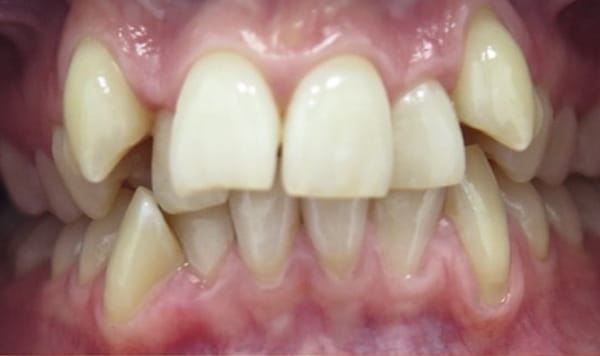
Some teenagers have a set-back lower jaw, which can cause the upper front teeth to stick out (a class II pattern). In growing patients, functional appliances hold the lower jaw forward to correct the bite. Most of the correction comes from tooth movement, with a smaller effect on jaw growth. Some studies show small increases in airway space on scans after treatment. These scans are taken while awake and upright, so they don’t show whether breathing during sleep has changed.

5.0
We highly recommend Dr Erfan Sallom. He transformed our daughter’s teeth, and she’s extremely happy with her beautiful smile! We were looking for an Orthodontist who had a reputable history, gave excellent results, held high standards, was kind and gentle, and that is what we got. She didn’t have to get any teeth removed, which was a bonus. Really appreciated the individual time, updates, never felt rushed, and a personable approach. Thank you, Erfan. – Georgina
5.0
I was very anxious about orthodontic treatment and, as such, delayed it for years. I did not need to be nervous with the expertise and professionalism of Erfan. He was very motivational and ensured I achieved an excellent result. I am now extremely happy with my smile. I would not hesitate to recommend him to anyone. – Ciara K
5.0
I would really recommend anyone to Dr Erfan Salloum. My experience with Erfan was amazing. I had no issue; he was very knowledgeable about his work and was always happy to explain the next steps with my treatment and concerns, or answer any questions about my treatment plan, etc!
I would recommend Erfan to anyone, there’s no safer hands to be in than Erfan for sure! – Martin R
5.0
I have just finished my two-year orthodontic treatment with Dr Erfan, and I would highly recommend him. He explained everything perfectly about the treatment plan, and I was always treated with great care. You are in good hands! Many thanks. – Julie P
5.0
I would highly recommend Dr Erfan from start to finish. He took the time to make the entire process for our daughter as easy as possible. We are delighted with the results & she has received many compliments on her beautiful smile. – Caroline C
5.0
I’m very happy with my treatment and results. I was delighted with Dr Erfan Salloum’s attention to detail, and so happy he took the time to make sure everything was perfect. Thank you. – Orlaith D
5.0
My daughter has been under the care of Dr Erfan Salloum for the past three years, as she had a lot of work to be done. She has had braces removed, and the result is stunning. We are thrilled about how well everything went. – Elizabeth G
5.0
Absolutely delighted with my results. Thank you to Dr Erfan and his team for taking care of me so well! Treatment lasted 24 months, and it was so worth it. Would recommend it to everyone! – Ang
5.0
Everyone was very nice and professional, and Dr Erfan Salloum did a great job with my braces. – Matthew C
5.0
I am very grateful to Dr Efran Salloum for taking the time to do a free video consultation with me to discuss my issue. He listened attentively to my concerns, offered insight and advised me of a range of clear options to explore for my particular issue (which concerns narrow airways). I very much appreciated his expertise, which he conveyed with kindness and without expectation. I would highly recommend Dr Efran for his expert knowledge and professionalism. – Shelagh S
5.0
My daughter had a great experience, thrilled with the results. She was treated very well at every appointment and now has a gorgeous smile thanks to Erfan and the team. – Auds C
5.0
Incredibly happy with my experience with Dr Erfan. He was a pleasure to deal with throughout the process, explained everything clearly, offered all support needed, and the results have been absolutely perfect. Ultimately, I can’t recommend Dr Erfan highly enough. He and his team are incredibly professional and highly skilled, so you’ll be in safe hands throughout your treatment. – Laurence W
5.0
We highly recommend Dr Erfan Sallom. He transformed our daughter’s teeth, and she’s extremely happy with her beautiful smile! We were looking for an Orthodontist who had a reputable history, gave excellent results, held high standards, was kind and gentle, and that is what we got. She didn’t have to get any teeth removed, which was a bonus. Really appreciated the individual time, updates, never felt rushed, and a personable approach. Thank you, Erfan. – Georgina
5.0
I was very anxious about orthodontic treatment and, as such, delayed it for years. I did not need to be nervous with the expertise and professionalism of Erfan. He was very motivational and ensured I achieved an excellent result. I am now extremely happy with my smile. I would not hesitate to recommend him to anyone. – Ciara K
5.0
I would really recommend anyone to Dr Erfan Salloum. My experience with Erfan was amazing. I had no issue; he was very knowledgeable about his work and was always happy to explain the next steps with my treatment and concerns, or answer any questions about my treatment plan, etc!
I would recommend Erfan to anyone, there’s no safer hands to be in than Erfan for sure! – Martin R
5.0
I have just finished my two-year orthodontic treatment with Dr Erfan, and I would highly recommend him. He explained everything perfectly about the treatment plan, and I was always treated with great care. You are in good hands! Many thanks. – Julie P
5.0
I would highly recommend Dr Erfan from start to finish. He took the time to make the entire process for our daughter as easy as possible. We are delighted with the results & she has received many compliments on her beautiful smile. – Caroline C
5.0
I’m very happy with my treatment and results. I was delighted with Dr Erfan Salloum’s attention to detail, and so happy he took the time to make sure everything was perfect. Thank you. – Orlaith D
5.0
My daughter has been under the care of Dr Erfan Salloum for the past three years, as she had a lot of work to be done. She has had braces removed, and the result is stunning. We are thrilled about how well everything went. – Elizabeth G
5.0
Absolutely delighted with my results. Thank you to Dr Erfan and his team for taking care of me so well! Treatment lasted 24 months, and it was so worth it. Would recommend it to everyone! – Ang
5.0
Everyone was very nice and professional, and Dr Erfan Salloum did a great job with my braces. – Matthew C
5.0
I am very grateful to Dr Efran Salloum for taking the time to do a free video consultation with me to discuss my issue. He listened attentively to my concerns, offered insight and advised me of a range of clear options to explore for my particular issue (which concerns narrow airways). I very much appreciated his expertise, which he conveyed with kindness and without expectation. I would highly recommend Dr Efran for his expert knowledge and professionalism. – Shelagh S
5.0
My daughter had a great experience, thrilled with the results. She was treated very well at every appointment and now has a gorgeous smile thanks to Erfan and the team. – Auds C
5.0
Incredibly happy with my experience with Dr Erfan. He was a pleasure to deal with throughout the process, explained everything clearly, offered all support needed, and the results have been absolutely perfect. Ultimately, I can’t recommend Dr Erfan highly enough. He and his team are incredibly professional and highly skilled, so you’ll be in safe hands throughout your treatment. – Laurence W
The founder and the specialist orthodontist at Lusk Orthodontics. He is a winner of the British Orthodontic Society's Maurice Berman Prize for clinical excellence, with a particular interest in complex orthodontic treatment,…
Read MORE

“We highly recommend Dr Erfan Sallom. He transformed our daughter’s teeth, and she’s extremely happy with her beautiful smile! We were looking for an Orthodontist...”

“I was very anxious about orthodontic treatment and, as such, delayed it for years. I did not need to be nervous with the expertise and...”
“I would really recommend anyone to Dr Erfan Salloum. My experience with Erfan was amazing. I had no issue; he was very knowledgeable about his...”
“I have just finished my two-year orthodontic treatment with Dr Erfan, and I would highly recommend him. He explained everything perfectly about the treatment plan,...”


In cases where the nasal airway is restricted due to a narrow palate, palatal expansion can produce meaningful improvements in nasal breathing. Where mouth breathing is driven by other factors — such as enlarged adenoids or turbinate hypertrophy — ENT assessment and management is also needed. Orthodontic treatment works best as part of a coordinated approach.
Snoring in teenagers can have a skeletal component, particularly when associated with a narrow palate, a retrognathic jaw, or a vertical facial pattern. An orthodontic assessment can determine whether any of these factors are present and whether orthodontic intervention may be beneficial as part of a broader management plan.
Yes — please do. This information is important for treatment planning. A thorough history includes questions about sleep quality, snoring, mouth breathing, and daytime tiredness, and parents are encouraged to raise these concerns at the consultation.
Not necessarily. In many cases, addressing the airway component simply means choosing an approach — such as palatal expansion — that achieves both the dental and the airway objective simultaneously. Careful planning integrates both goals without unnecessarily extending treatment.

Book a consultation today and let our friendly team guide you towards a healthier, more confident smile with personalised advice, modern treatments, and genuine care every step of the way.
Book a Consultation BACK TO For AdolescentsAt Lusk Orthodontics, we’re proud to offer one of the most comprehensive ranges of orthodontic treatments in Dublin and across Ireland — all delivered to the highest clinical standards.

Practice
Treatments
Terms
Discover behind-the-scenes care and amazing results on our Instagram. From patient transformations to everyday moments at our clinic, our feed is filled with smiles, stories, and inspiration.
Copyright