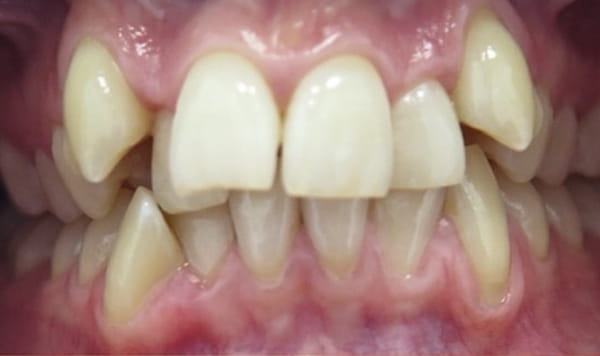
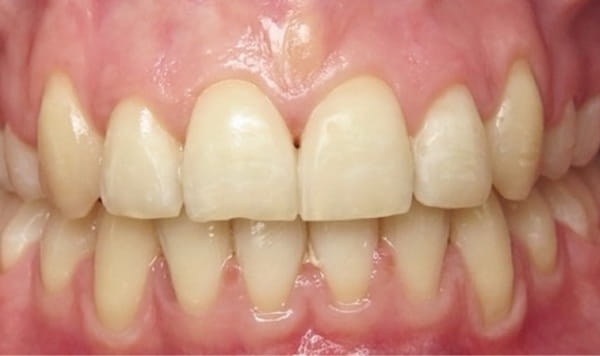
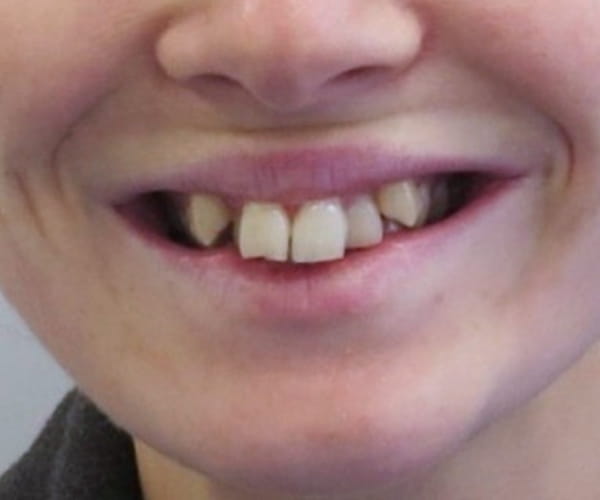
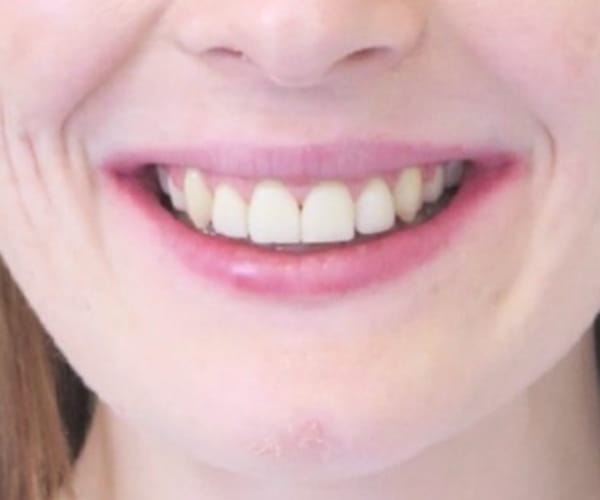
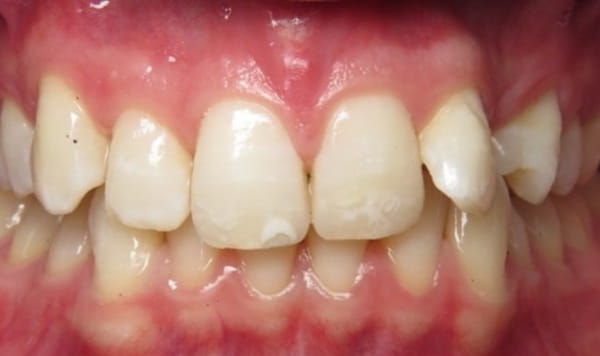
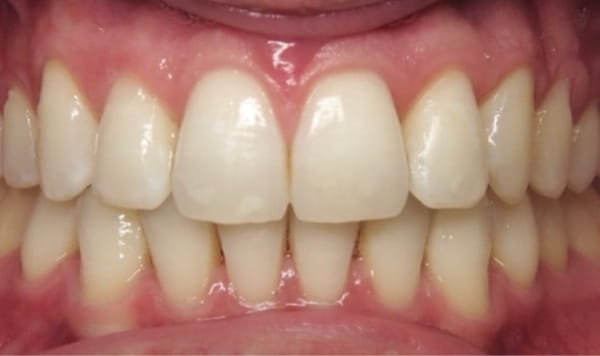
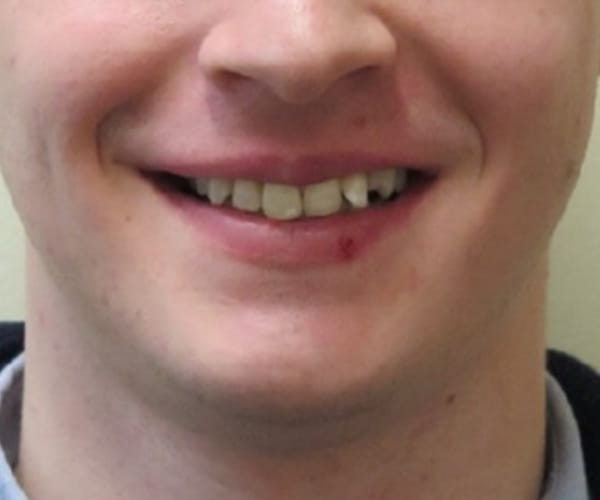
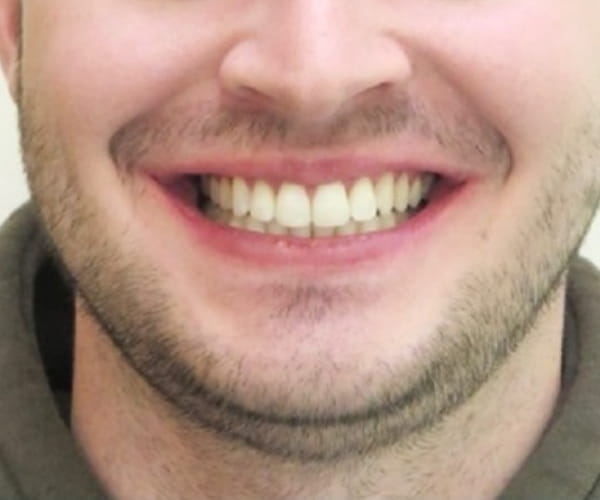
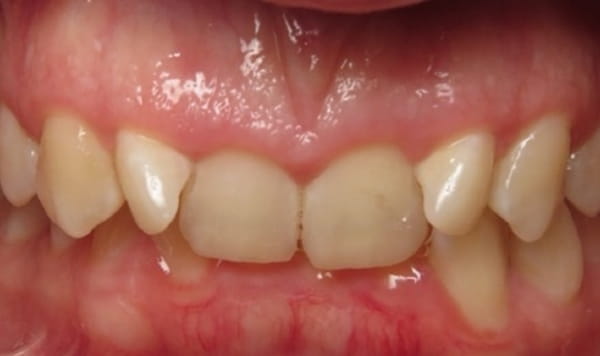
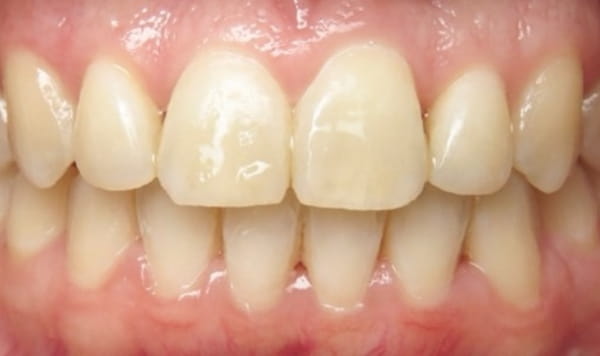
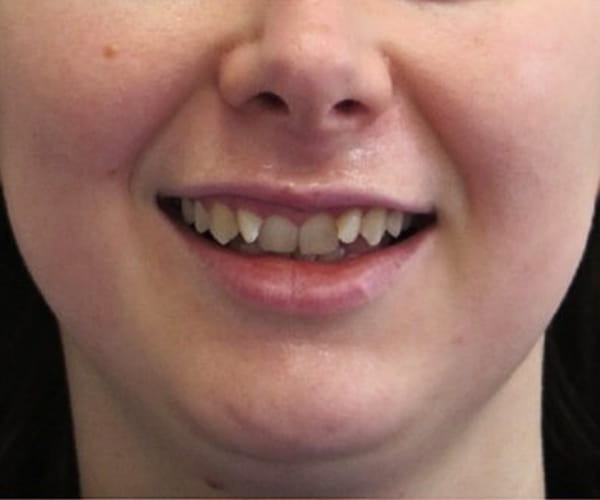
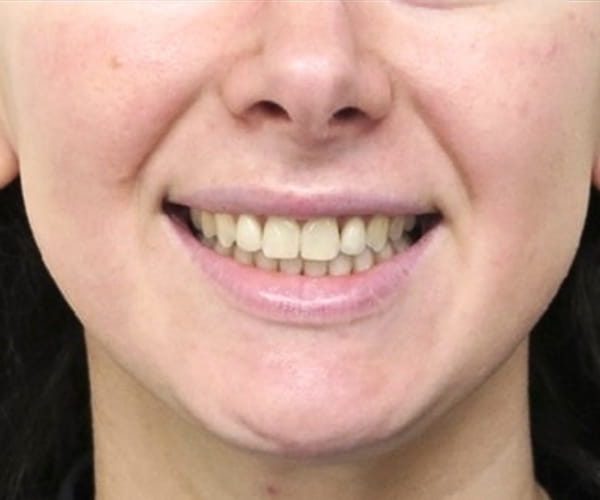
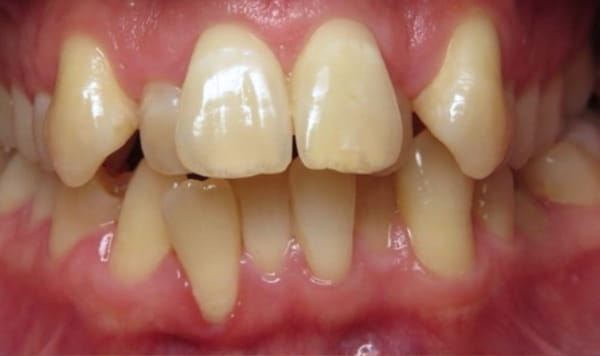
It is indicated when the relationship between the upper and lower jaws, or between the jaws and the rest of the facial skeleton, falls outside the range that tooth movement alone can address.
This practice has extensive experience in the orthodontic component of surgical cases both as the treating orthodontist coordinating with surgical colleagues, and as a specialist consulted on complex multidisciplinary cases.
Orthognathic treatment follows a well-defined sequence, typically spanning 18 to 30 months from the start of pre-surgical orthodontics to the completion of post-surgical finishing.
In selected cases, a surgery-first protocol may be appropriate where jaw surgery is performed at the outset, before any orthodontic preparation. This approach can significantly shorten the overall treatment timeline and allows patients to see the skeletal and aesthetic correction much earlier in the process. It is not suitable for all cases, as it requires careful patient selection and a high degree of precision in surgical planning. Where it is indicated, it is discussed as an option at the planning stage.
Surgical orthodontic cases are managed in close collaboration with oral and maxillofacial surgical colleagues. Where sleep-disordered breathing is a factor, sleep physicians may also be involved in treatment planning and in evaluating outcomes. Regular communication between all members of the treating team ensures the orthodontic and surgical phases are carefully coordinated.
The orthodontic component of surgical orthodontic treatment at Lusk Orthodontics starts from €7,000. This covers all orthodontic care throughout the treatment process: pre-surgical preparation, post-surgical finishing, and retention. Surgical fees, anaesthetist fees, and hospital costs are separate and are determined by the treating surgical team and the relevant hospital or clinic; these will be outlined in full at the joint planning stage. A detailed fee breakdown for the orthodontic component is provided at your consultation. Payment plan options are available.
If you have been referred for surgical orthodontics, or if you believe you may benefit from a combined orthodontic and surgical approach, book a consultation to discuss your case in detail.
Mandibular Advancement Surgery
Mandibular advancement involves surgically repositioning the lower jaw (mandible) forward. This is achieved via a bilateral sagittal split osteotomy (BSSO) — a well-established procedure in which the mandible is divided on each side and moved to the planned position, then stabilised with titanium plates and screws.
Indications include:
Mandibular advancement surgery — particularly as a component of maxillomandibular advancement (MMA) — is a highly effective intervention for sleep-disordered breathing and is increasingly used in collaboration with sleep medicine physicians for patients who cannot tolerate CPAP or where a skeletal contribution to airway compromise has been identified.
Not all orthognathic cases require movement of both jaws. Where the skeletal discrepancy is confined to the upper jaw, a Le Fort I osteotomy of the maxilla alone may be performed to advance, impact, or reposition the upper jaw without altering the lower jaw surgically.
Upper jaw advancement is indicated where the maxilla is deficient in its forward position, resulting in a flat mid-face, a compromised upper lip position, or a skeletal class III appearance driven by maxillary rather than mandibular factors.

In adult patients with a narrow upper jaw, palatal expansion often requires a surgical component to release the resistance of the fused midpalatal suture. Surgical facilitation in this context refers to procedures that allow orthodontically or device-driven expansion of the upper jaw to proceed more predictably.
This includes surgically assisted rapid maxillary expansion — where corticotomy cuts are made around the maxilla to reduce skeletal resistance — as well as more complex procedures where expansion is combined with simultaneous Le Fort I repositioning of the maxilla.

5.0
We highly recommend Dr Erfan Sallom. He transformed our daughter’s teeth, and she’s extremely happy with her beautiful smile! We were looking for an Orthodontist who had a reputable history, gave excellent results, held high standards, was kind and gentle, and that is what we got. She didn’t have to get any teeth removed, which was a bonus. Really appreciated the individual time, updates, never felt rushed, and a personable approach. Thank you, Erfan. – Georgina
5.0
I was very anxious about orthodontic treatment and, as such, delayed it for years. I did not need to be nervous with the expertise and professionalism of Erfan. He was very motivational and ensured I achieved an excellent result. I am now extremely happy with my smile. I would not hesitate to recommend him to anyone. – Ciara K
5.0
I would really recommend anyone to Dr Erfan Salloum. My experience with Erfan was amazing. I had no issue; he was very knowledgeable about his work and was always happy to explain the next steps with my treatment and concerns, or answer any questions about my treatment plan, etc!
I would recommend Erfan to anyone, there’s no safer hands to be in than Erfan for sure! – Martin R
5.0
I have just finished my two-year orthodontic treatment with Dr Erfan, and I would highly recommend him. He explained everything perfectly about the treatment plan, and I was always treated with great care. You are in good hands! Many thanks. – Julie P
5.0
I would highly recommend Dr Erfan from start to finish. He took the time to make the entire process for our daughter as easy as possible. We are delighted with the results & she has received many compliments on her beautiful smile. – Caroline C
5.0
I’m very happy with my treatment and results. I was delighted with Dr Erfan Salloum’s attention to detail, and so happy he took the time to make sure everything was perfect. Thank you. – Orlaith D
5.0
My daughter has been under the care of Dr Erfan Salloum for the past three years, as she had a lot of work to be done. She has had braces removed, and the result is stunning. We are thrilled about how well everything went. – Elizabeth G
5.0
Absolutely delighted with my results. Thank you to Dr Erfan and his team for taking care of me so well! Treatment lasted 24 months, and it was so worth it. Would recommend it to everyone! – Ang
5.0
Everyone was very nice and professional, and Dr Erfan Salloum did a great job with my braces. – Matthew C
5.0
I am very grateful to Dr Efran Salloum for taking the time to do a free video consultation with me to discuss my issue. He listened attentively to my concerns, offered insight and advised me of a range of clear options to explore for my particular issue (which concerns narrow airways). I very much appreciated his expertise, which he conveyed with kindness and without expectation. I would highly recommend Dr Efran for his expert knowledge and professionalism. – Shelagh S
5.0
My daughter had a great experience, thrilled with the results. She was treated very well at every appointment and now has a gorgeous smile thanks to Erfan and the team. – Auds C
5.0
Incredibly happy with my experience with Dr Erfan. He was a pleasure to deal with throughout the process, explained everything clearly, offered all support needed, and the results have been absolutely perfect. Ultimately, I can’t recommend Dr Erfan highly enough. He and his team are incredibly professional and highly skilled, so you’ll be in safe hands throughout your treatment. – Laurence W
5.0
We highly recommend Dr Erfan Sallom. He transformed our daughter’s teeth, and she’s extremely happy with her beautiful smile! We were looking for an Orthodontist who had a reputable history, gave excellent results, held high standards, was kind and gentle, and that is what we got. She didn’t have to get any teeth removed, which was a bonus. Really appreciated the individual time, updates, never felt rushed, and a personable approach. Thank you, Erfan. – Georgina
5.0
I was very anxious about orthodontic treatment and, as such, delayed it for years. I did not need to be nervous with the expertise and professionalism of Erfan. He was very motivational and ensured I achieved an excellent result. I am now extremely happy with my smile. I would not hesitate to recommend him to anyone. – Ciara K
5.0
I would really recommend anyone to Dr Erfan Salloum. My experience with Erfan was amazing. I had no issue; he was very knowledgeable about his work and was always happy to explain the next steps with my treatment and concerns, or answer any questions about my treatment plan, etc!
I would recommend Erfan to anyone, there’s no safer hands to be in than Erfan for sure! – Martin R
5.0
I have just finished my two-year orthodontic treatment with Dr Erfan, and I would highly recommend him. He explained everything perfectly about the treatment plan, and I was always treated with great care. You are in good hands! Many thanks. – Julie P
5.0
I would highly recommend Dr Erfan from start to finish. He took the time to make the entire process for our daughter as easy as possible. We are delighted with the results & she has received many compliments on her beautiful smile. – Caroline C
5.0
I’m very happy with my treatment and results. I was delighted with Dr Erfan Salloum’s attention to detail, and so happy he took the time to make sure everything was perfect. Thank you. – Orlaith D
5.0
My daughter has been under the care of Dr Erfan Salloum for the past three years, as she had a lot of work to be done. She has had braces removed, and the result is stunning. We are thrilled about how well everything went. – Elizabeth G
5.0
Absolutely delighted with my results. Thank you to Dr Erfan and his team for taking care of me so well! Treatment lasted 24 months, and it was so worth it. Would recommend it to everyone! – Ang
5.0
Everyone was very nice and professional, and Dr Erfan Salloum did a great job with my braces. – Matthew C
5.0
I am very grateful to Dr Efran Salloum for taking the time to do a free video consultation with me to discuss my issue. He listened attentively to my concerns, offered insight and advised me of a range of clear options to explore for my particular issue (which concerns narrow airways). I very much appreciated his expertise, which he conveyed with kindness and without expectation. I would highly recommend Dr Efran for his expert knowledge and professionalism. – Shelagh S
5.0
My daughter had a great experience, thrilled with the results. She was treated very well at every appointment and now has a gorgeous smile thanks to Erfan and the team. – Auds C
5.0
Incredibly happy with my experience with Dr Erfan. He was a pleasure to deal with throughout the process, explained everything clearly, offered all support needed, and the results have been absolutely perfect. Ultimately, I can’t recommend Dr Erfan highly enough. He and his team are incredibly professional and highly skilled, so you’ll be in safe hands throughout your treatment. – Laurence W
Dr Erfan Salloum is the founder and lead orthodontist at Lusk Orthodontics. Widely recognised as one of the most highly qualified orthodontists in Ireland, he specialises in complex orthodontic care, clear aligners,…
Read MORE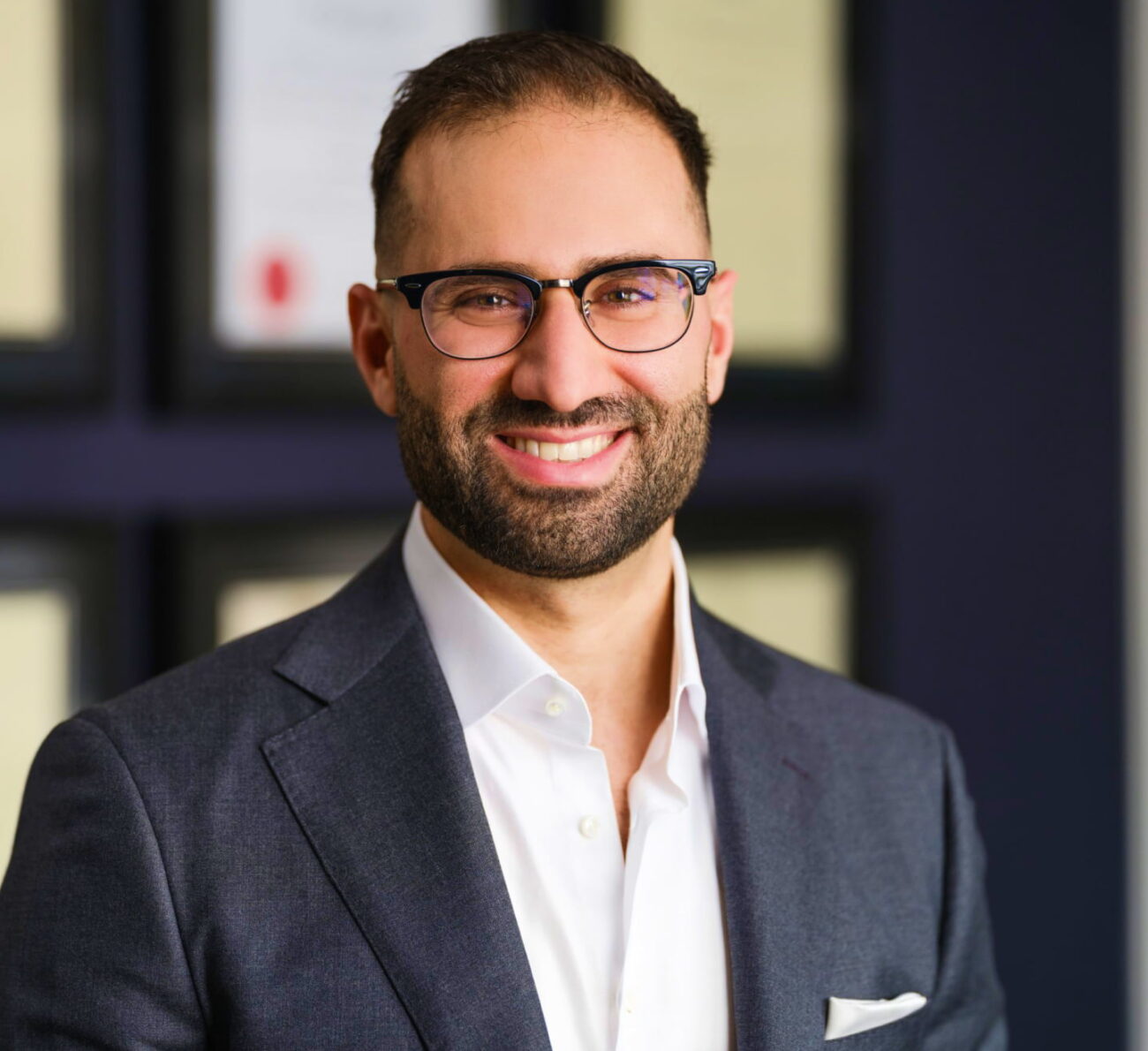
“We highly recommend Dr Erfan Sallom. He transformed our daughter’s teeth, and she’s extremely happy with her beautiful smile! We were looking for an Orthodontist...”

“I was very anxious about orthodontic treatment and, as such, delayed it for years. I did not need to be nervous with the expertise and...”
“I would really recommend anyone to Dr Erfan Salloum. My experience with Erfan was amazing. I had no issue; he was very knowledgeable about his...”
“I have just finished my two-year orthodontic treatment with Dr Erfan, and I would highly recommend him. He explained everything perfectly about the treatment plan,...”










Orthognathic treatment is considered when:
Surgical orthodontic cases are always planned and delivered collaboratively with an oral and maxillofacial (OMFS) or craniofacial surgical team.
Yes. Pre-surgical orthodontics is an essential part of the process, typically lasting 12 to 18 months. Post-surgical orthodontic finishing usually takes a further three to six months.
Most patients are back to their normal routine within two to four weeks. Significant swelling can persist for several months, and the full aesthetic result continues to develop over six to twelve months as swelling fully resolves.
Orthognathic surgery can have a significant and positive impact on facial profile and aesthetics. The expected changes are discussed and visualised using 3D planning software before treatment begins, so you have a clear picture of the intended outcome.

Book a consultation today and let our friendly team guide you towards a healthier, more confident smile with personalised advice, modern treatments, and genuine care every step of the way.
Book a Consultation BACK TO For AdultsAt Lusk Orthodontics, we’re proud to offer one of the most comprehensive ranges of orthodontic treatments in Dublin and across Ireland — all delivered to the highest clinical standards.
Practice
Treatments
Terms
Discover behind-the-scenes care and amazing results on our Instagram. From patient transformations to everyday moments at our clinic, our feed is filled with smiles, stories, and inspiration.
Copyright