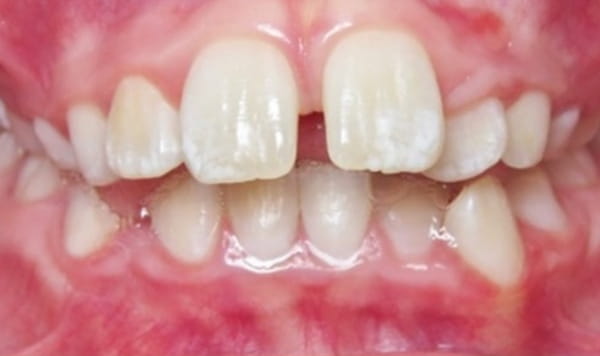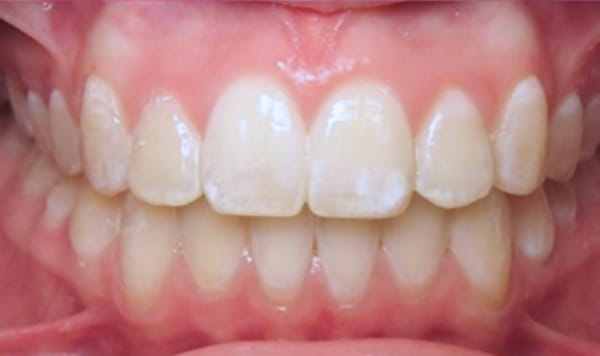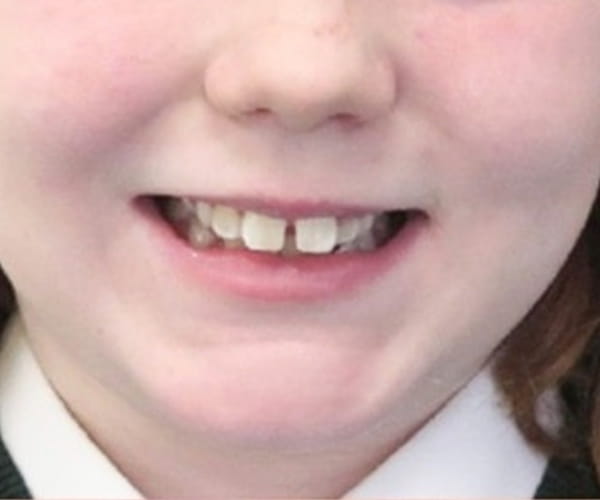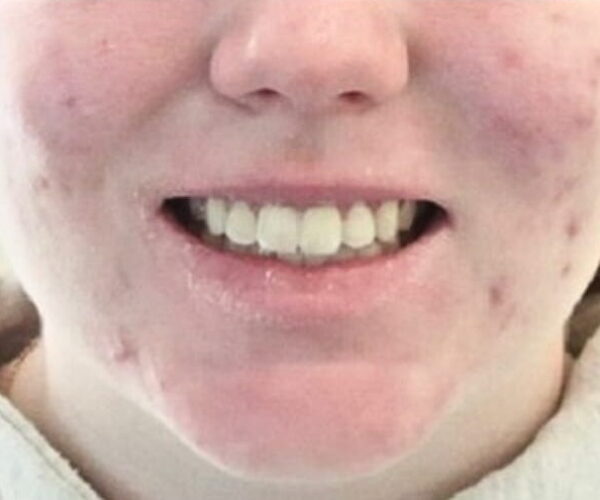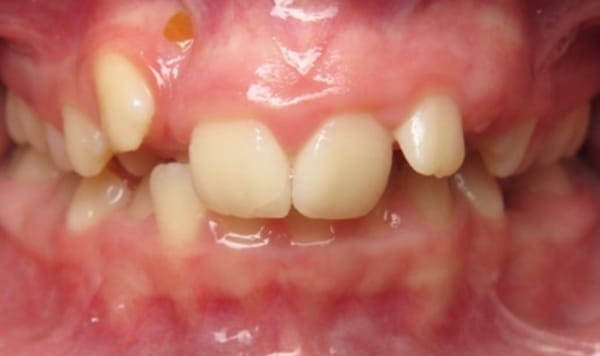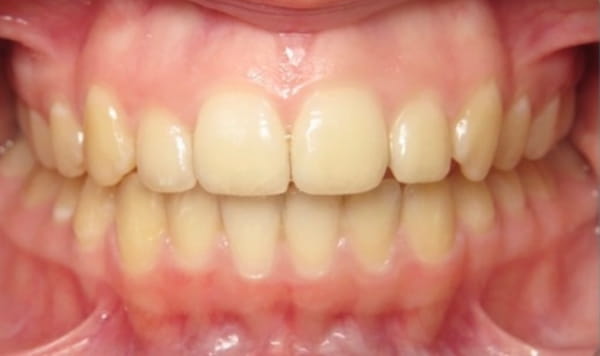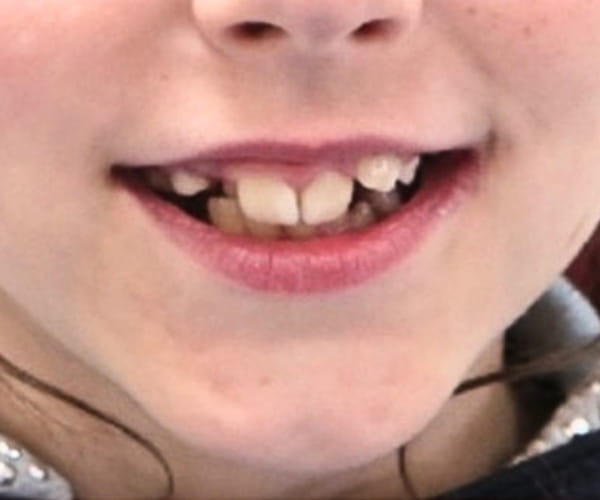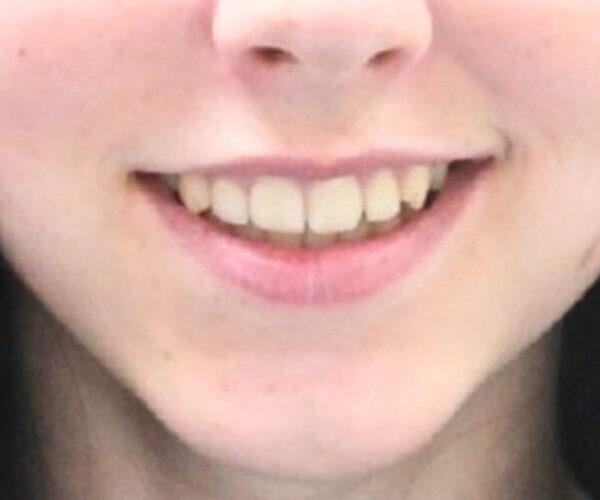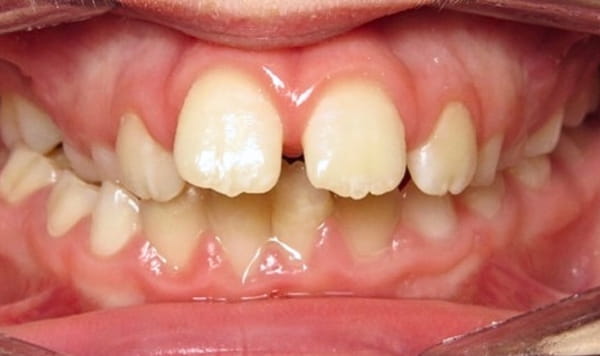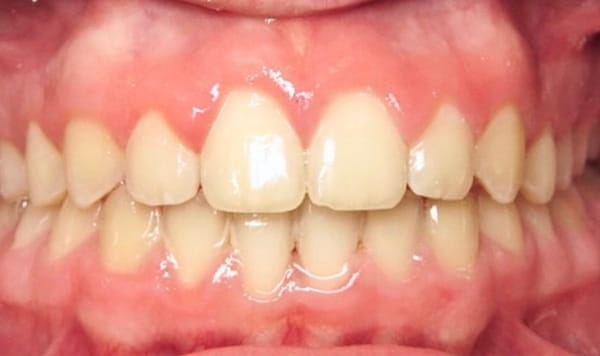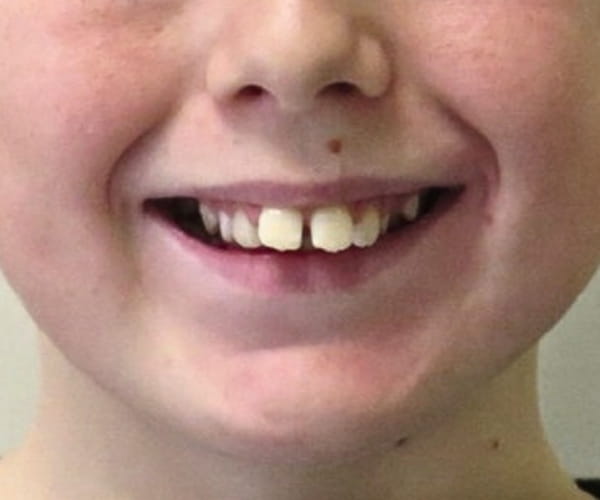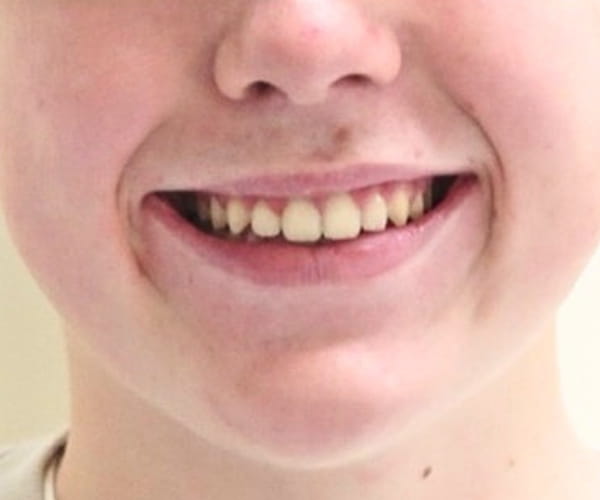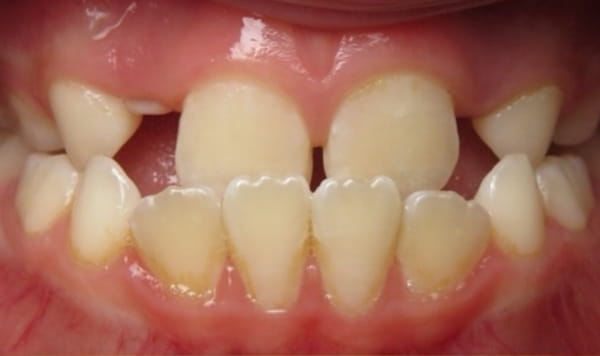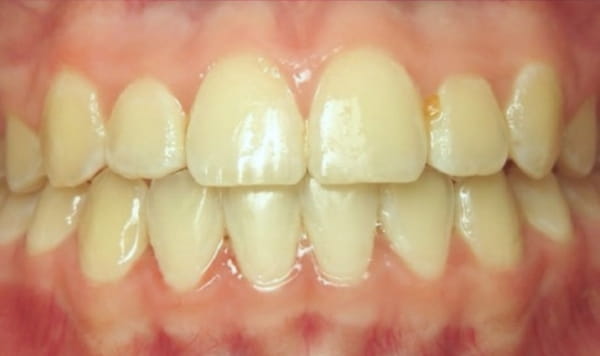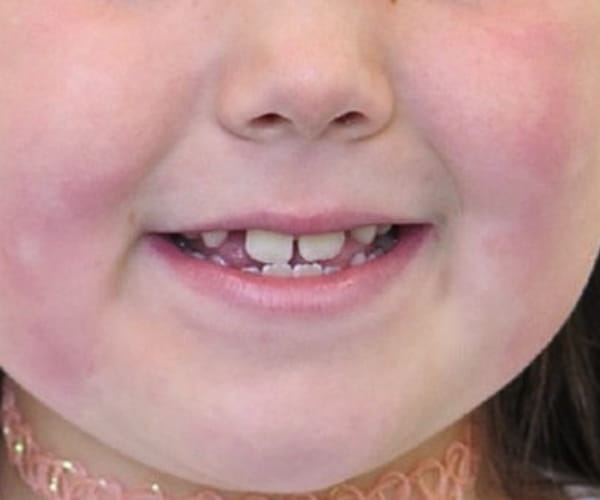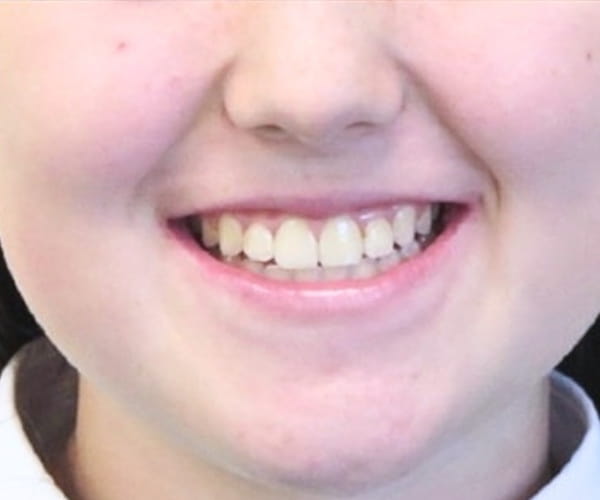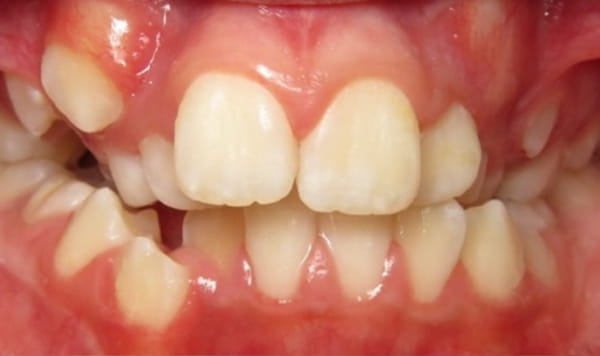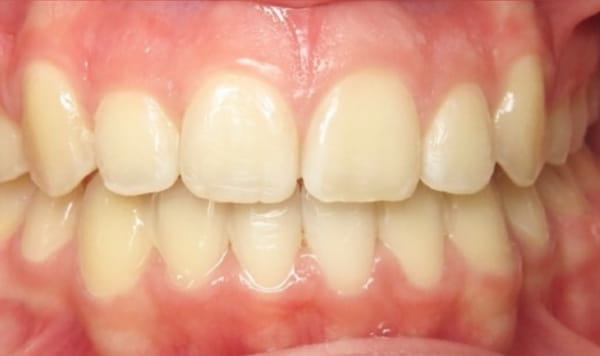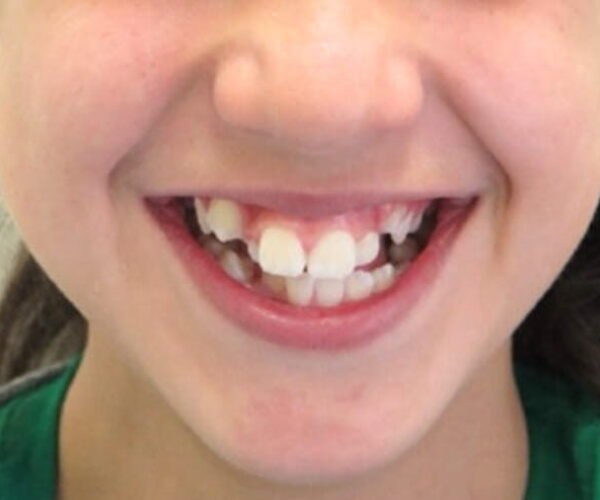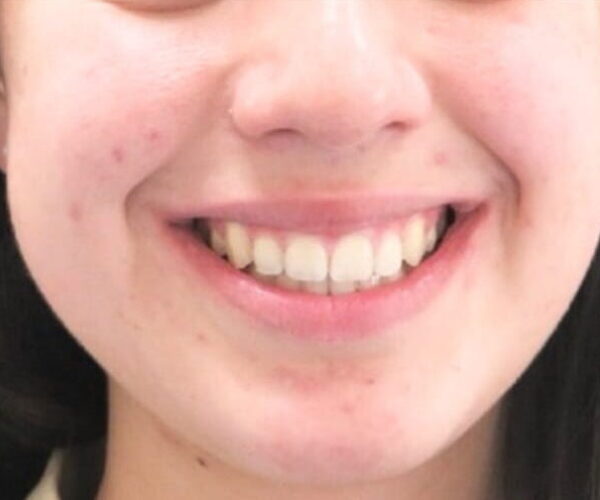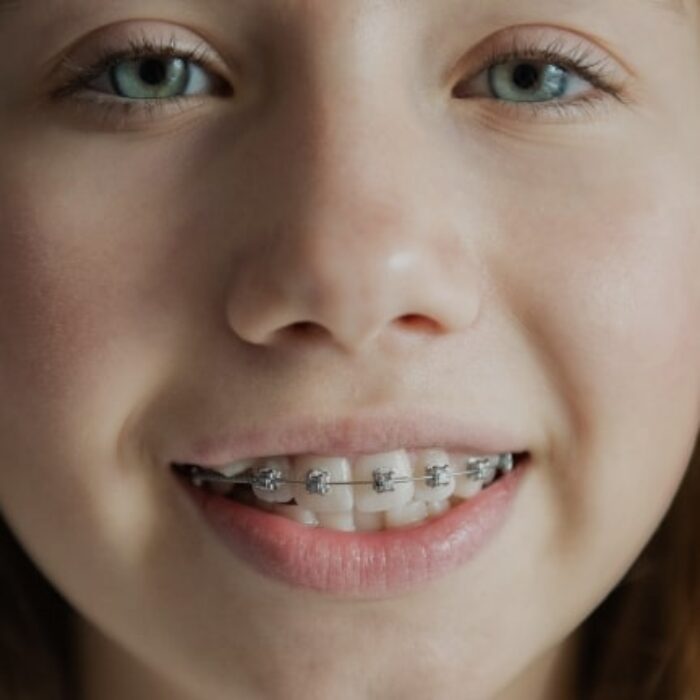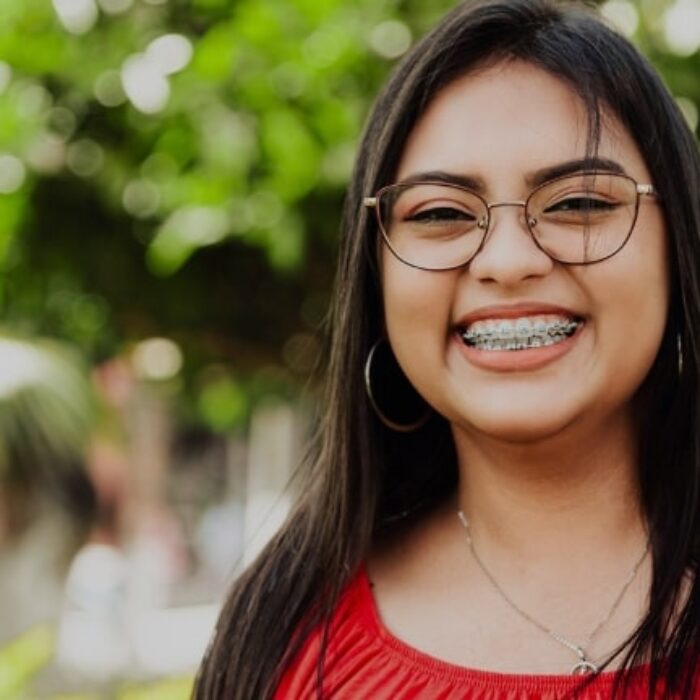
A narrow palate, a mouth-breathing habit, or a jaw pattern that constricts the upper airway can affect a child’s sleep quality, growth, development, concentration, and long-term health in ways that go far beyond the orthodontic problem itself.
For most children, we recommend a first orthodontic evaluation by the age of 7. Where airway or sleep-disordered breathing concerns are present, however, earlier assessment is sometimes warranted — and should not be postponed. Simply waiting while a child is not breathing or sleeping well is not a neutral decision. The early years of life are critical for neurocognitive development, learning, behaviour, and growth; a child who is not sleeping well due to a structural problem is being deprived of the conditions they need to develop optimally during a window that cannot be recovered. Orthodontic interventions such as palatal expansion can act as an important adjunct to comprehensive airway management — and the earlier these are identified and addressed, the greater the benefit to the child’s development and long-term health.
At Lusk Orthodontics, the airway is not an afterthought — it is an integral part of how we assess and plan treatment for children. Where breathing and sleep are affected by factors that orthodontic treatment can address, we plan care with those objectives explicitly in mind, and we work collaboratively with ENT surgeons and otolaryngologists across Dublin and throughout Ireland to ensure that every aspect of the child’s airway health is addressed in a coordinated way.
Childhood is the period of maximum jaw growth and adaptability. The forces that act on the developing jaws — including the resting position of the tongue, the pattern of breathing, and the functional habits of swallowing and chewing — directly influence the shape and size of the arches and the direction of jaw growth. This means that airway problems and jaw development problems are not separate issues: they are frequently the same problem, viewed from different angles.
Mouth breathing. When a child breathes habitually through the mouth — whether due to nasal obstruction, enlarged adenoids or tonsils, a narrow palate, or learned habit — the tongue rests low in the mouth rather than against the palate. This removes one of the most important natural stimuli for upper jaw development, allowing the arch to narrow and the palate to rise. Over time, this pattern can lead to a progressively narrower airway, a longer face, crowded teeth, and a worsening of the very nasal obstruction that started the cycle.
Sleep-disordered breathing. Snoring, obstructive sleep apnoea, and upper airway resistance syndrome occur in children as well as adults, and the consequences for a developing child are particularly significant. Poor sleep quality in children is associated with attention and behaviour problems, difficulties at school, growth impairment, and long-term cardiovascular and metabolic health risks. Where orthodontic factors are contributing to a child’s sleep difficulties, early intervention can have effects that extend far beyond the teeth.
The growth window. Problems that contribute to airway dysfunction — a narrow palate, a retrognathic lower jaw, a class III skeletal pattern — can be addressed more readily, more effectively, and with greater long-term stability during childhood than at any other time. The same interventions that require surgery in adults can often be achieved entirely non-surgically in a growing child.
Palatal Expansion
Widening the upper jaw is the most direct orthodontic intervention with airway benefit in children. Because the floor of the nose sits directly above the palate, expanding the palate widens the nasal passage — increasing nasal airflow and reducing the resistance that drives mouth breathing. In children with nasal obstruction related to a narrow palate, palatal expansion can restore nasal breathing with a lasting effect.
Where the expansion is coordinated with ENT assessment and management of any concurrent nasal pathology (such as adenoidal hypertrophy or turbinate enlargement), the combined benefit is substantially greater than either intervention alone.
Facemask Therapy
In children with a class III skeletal pattern — where the upper jaw is underdeveloped — the tongue base and soft palate may be positioned in a way that narrows the nasopharyngeal airway. Advancing the upper jaw with facemask therapy improves the mid-facial skeleton and may have a beneficial effect on the upper airway dimensions in these children, in addition to correcting the bite.
Clear Aligners with Mandibular Advancement Features
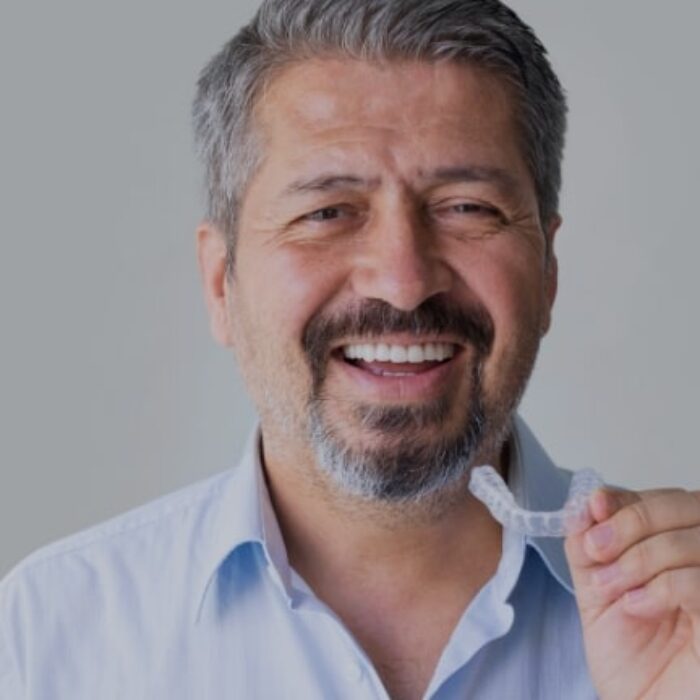
In children with a significant overjet and a retrognathic lower jaw, the position of the tongue base and the pharyngeal airway space may be unfavourable. Aligners with mandibular advancement features encourage the lower jaw into a more forward position during wear, which can have a beneficial effect on the airway dimensions, while simultaneously reducing the overjet and the risk of dental trauma.
If you have concerns about your child’s breathing, sleep, or jaw development — or if you have been referred by a paediatrician, ENT surgeon, or GP — book a specialist assessment at Lusk Orthodontics.
Lusk Orthodontics works closely with ENT surgeons and otolaryngologists across Dublin and throughout Ireland in the assessment and management of children where breathing and sleep are a concern.
Where a child presents with signs of nasal obstruction, mouth breathing, or disturbed sleep, ENT assessment is recommended as a routine part of the workup, alongside the orthodontic assessment. In many cases, the most effective approach involves addressing both the structural (orthodontic) and the soft tissue (ENT) components of the problem simultaneously or in a carefully coordinated sequence.

In many children with mouth breathing and airway concerns, abnormal tongue posture and oral habits — such as a low resting tongue position, a tongue thrust swallowing pattern, or persistent thumb or finger sucking — are identified alongside the structural problem. These habits perpetuate the narrow arch and the mouth-breathing pattern even after orthodontic or ENT treatment has been completed, and addressing them is essential for long-term stability.

Parents are encouraged to mention any of the following at their child’s orthodontic consultation:

5.0
We highly recommend Dr Erfan Sallom. He transformed our daughter’s teeth, and she’s extremely happy with her beautiful smile! We were looking for an Orthodontist who had a reputable history, gave excellent results, held high standards, was kind and gentle, and that is what we got. She didn’t have to get any teeth removed, which was a bonus. Really appreciated the individual time, updates, never felt rushed, and a personable approach. Thank you, Erfan. – Georgina
5.0
I was very anxious about orthodontic treatment and, as such, delayed it for years. I did not need to be nervous with the expertise and professionalism of Erfan. He was very motivational and ensured I achieved an excellent result. I am now extremely happy with my smile. I would not hesitate to recommend him to anyone. – Ciara K
5.0
I would really recommend anyone to Dr Erfan Salloum. My experience with Erfan was amazing. I had no issue; he was very knowledgeable about his work and was always happy to explain the next steps with my treatment and concerns, or answer any questions about my treatment plan, etc!
I would recommend Erfan to anyone, there’s no safer hands to be in than Erfan for sure! – Martin R
5.0
I have just finished my two-year orthodontic treatment with Dr Erfan, and I would highly recommend him. He explained everything perfectly about the treatment plan, and I was always treated with great care. You are in good hands! Many thanks. – Julie P
5.0
I would highly recommend Dr Erfan from start to finish. He took the time to make the entire process for our daughter as easy as possible. We are delighted with the results & she has received many compliments on her beautiful smile. – Caroline C
5.0
I’m very happy with my treatment and results. I was delighted with Dr Erfan Salloum’s attention to detail, and so happy he took the time to make sure everything was perfect. Thank you. – Orlaith D
5.0
My daughter has been under the care of Dr Erfan Salloum for the past three years, as she had a lot of work to be done. She has had braces removed, and the result is stunning. We are thrilled about how well everything went. – Elizabeth G
5.0
Absolutely delighted with my results. Thank you to Dr Erfan and his team for taking care of me so well! Treatment lasted 24 months, and it was so worth it. Would recommend it to everyone! – Ang
5.0
Everyone was very nice and professional, and Dr Erfan Salloum did a great job with my braces. – Matthew C
5.0
I am very grateful to Dr Efran Salloum for taking the time to do a free video consultation with me to discuss my issue. He listened attentively to my concerns, offered insight and advised me of a range of clear options to explore for my particular issue (which concerns narrow airways). I very much appreciated his expertise, which he conveyed with kindness and without expectation. I would highly recommend Dr Efran for his expert knowledge and professionalism. – Shelagh S
5.0
My daughter had a great experience, thrilled with the results. She was treated very well at every appointment and now has a gorgeous smile thanks to Erfan and the team. – Auds C
5.0
Incredibly happy with my experience with Dr Erfan. He was a pleasure to deal with throughout the process, explained everything clearly, offered all support needed, and the results have been absolutely perfect. Ultimately, I can’t recommend Dr Erfan highly enough. He and his team are incredibly professional and highly skilled, so you’ll be in safe hands throughout your treatment. – Laurence W
5.0
We highly recommend Dr Erfan Sallom. He transformed our daughter’s teeth, and she’s extremely happy with her beautiful smile! We were looking for an Orthodontist who had a reputable history, gave excellent results, held high standards, was kind and gentle, and that is what we got. She didn’t have to get any teeth removed, which was a bonus. Really appreciated the individual time, updates, never felt rushed, and a personable approach. Thank you, Erfan. – Georgina
5.0
I was very anxious about orthodontic treatment and, as such, delayed it for years. I did not need to be nervous with the expertise and professionalism of Erfan. He was very motivational and ensured I achieved an excellent result. I am now extremely happy with my smile. I would not hesitate to recommend him to anyone. – Ciara K
5.0
I would really recommend anyone to Dr Erfan Salloum. My experience with Erfan was amazing. I had no issue; he was very knowledgeable about his work and was always happy to explain the next steps with my treatment and concerns, or answer any questions about my treatment plan, etc!
I would recommend Erfan to anyone, there’s no safer hands to be in than Erfan for sure! – Martin R
5.0
I have just finished my two-year orthodontic treatment with Dr Erfan, and I would highly recommend him. He explained everything perfectly about the treatment plan, and I was always treated with great care. You are in good hands! Many thanks. – Julie P
5.0
I would highly recommend Dr Erfan from start to finish. He took the time to make the entire process for our daughter as easy as possible. We are delighted with the results & she has received many compliments on her beautiful smile. – Caroline C
5.0
I’m very happy with my treatment and results. I was delighted with Dr Erfan Salloum’s attention to detail, and so happy he took the time to make sure everything was perfect. Thank you. – Orlaith D
5.0
My daughter has been under the care of Dr Erfan Salloum for the past three years, as she had a lot of work to be done. She has had braces removed, and the result is stunning. We are thrilled about how well everything went. – Elizabeth G
5.0
Absolutely delighted with my results. Thank you to Dr Erfan and his team for taking care of me so well! Treatment lasted 24 months, and it was so worth it. Would recommend it to everyone! – Ang
5.0
Everyone was very nice and professional, and Dr Erfan Salloum did a great job with my braces. – Matthew C
5.0
I am very grateful to Dr Efran Salloum for taking the time to do a free video consultation with me to discuss my issue. He listened attentively to my concerns, offered insight and advised me of a range of clear options to explore for my particular issue (which concerns narrow airways). I very much appreciated his expertise, which he conveyed with kindness and without expectation. I would highly recommend Dr Efran for his expert knowledge and professionalism. – Shelagh S
5.0
My daughter had a great experience, thrilled with the results. She was treated very well at every appointment and now has a gorgeous smile thanks to Erfan and the team. – Auds C
5.0
Incredibly happy with my experience with Dr Erfan. He was a pleasure to deal with throughout the process, explained everything clearly, offered all support needed, and the results have been absolutely perfect. Ultimately, I can’t recommend Dr Erfan highly enough. He and his team are incredibly professional and highly skilled, so you’ll be in safe hands throughout your treatment. – Laurence W
Dr Erfan Salloum is the founder and lead orthodontist at Lusk Orthodontics. Widely recognised as one of the most highly qualified orthodontists in Ireland, he specialises in complex orthodontic care, clear aligners,…
Read MORE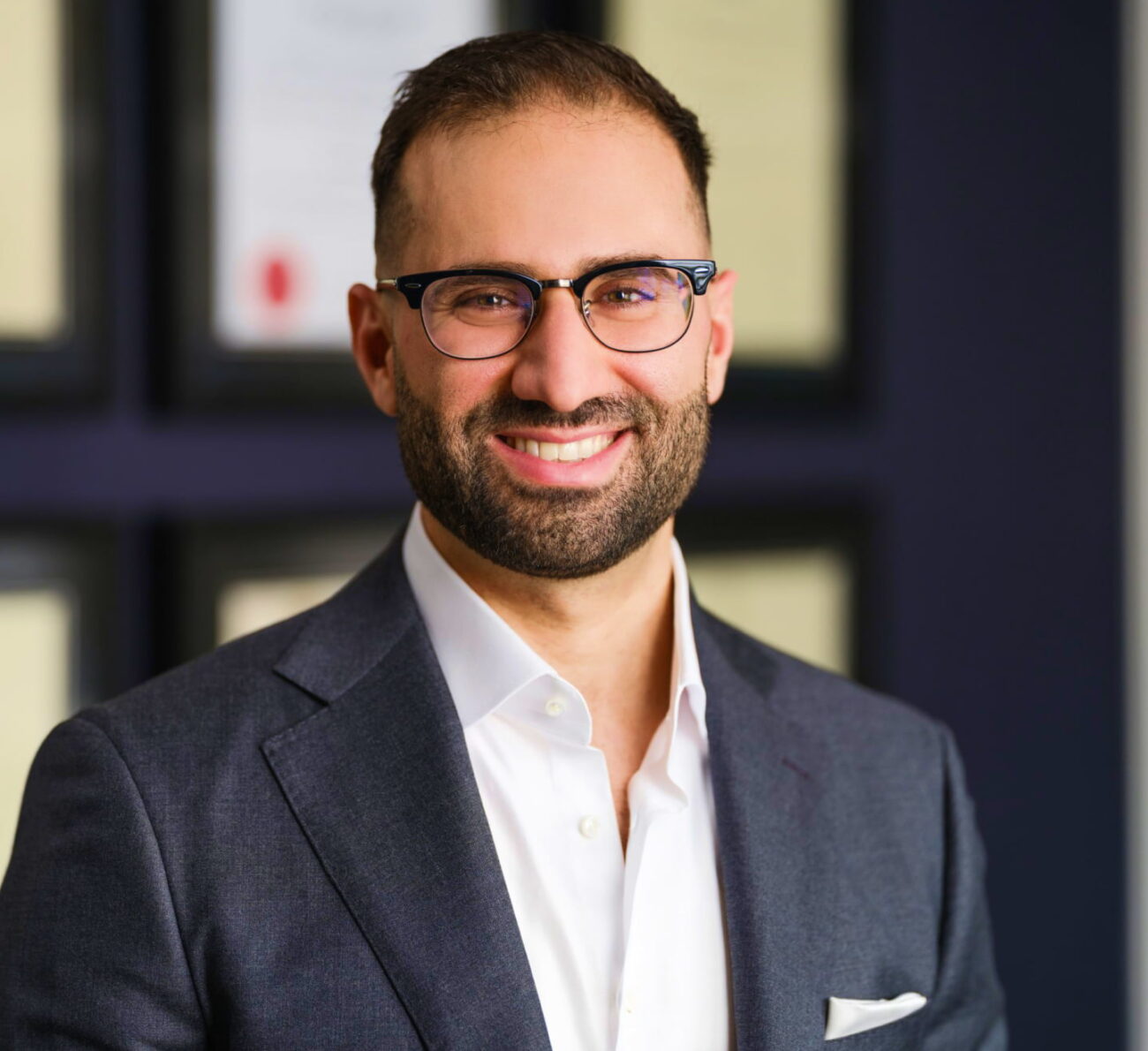

“We highly recommend Dr Erfan Sallom. He transformed our daughter’s teeth, and she’s extremely happy with her beautiful smile! We were looking for an Orthodontist...”

“I was very anxious about orthodontic treatment and, as such, delayed it for years. I did not need to be nervous with the expertise and...”
“I would really recommend anyone to Dr Erfan Salloum. My experience with Erfan was amazing. I had no issue; he was very knowledgeable about his...”
“I have just finished my two-year orthodontic treatment with Dr Erfan, and I would highly recommend him. He explained everything perfectly about the treatment plan,...”











Where nasal obstruction related to a narrow palate is contributing to disturbed sleep, palatal expansion can produce meaningful improvements in nasal breathing and sleep quality. The best outcomes are achieved when orthodontic and ENT issues are addressed together as part of a coordinated plan.
Some children do improve spontaneously, particularly if adenoids and tonsils reduce in size with age. However, where structural factors — a narrow palate, a class III jaw relationship — are contributing, these will not resolve without intervention. An orthodontic assessment does not commit to treatment; it provides information that allows an informed decision to be made about whether and when to act.
Lusk Orthodontics has established collaborative relationships with ENT surgeons and otolaryngologists across Dublin and throughout Ireland. We are happy to communicate with your child’s existing ENT specialist, or to facilitate a referral where one has not yet been made.

Book a consultation today and let our friendly team guide you towards a healthier, more confident smile with personalised advice, modern treatments, and genuine care every step of the way.
Book a Consultation BACK TO For ChildrenAt Lusk Orthodontics, we’re proud to offer one of the most comprehensive ranges of orthodontic treatments in Dublin and across Ireland — all delivered to the highest clinical standards.
Practice
Treatments
Terms
Discover behind-the-scenes care and amazing results on our Instagram. From patient transformations to everyday moments at our clinic, our feed is filled with smiles, stories, and inspiration.
Copyright