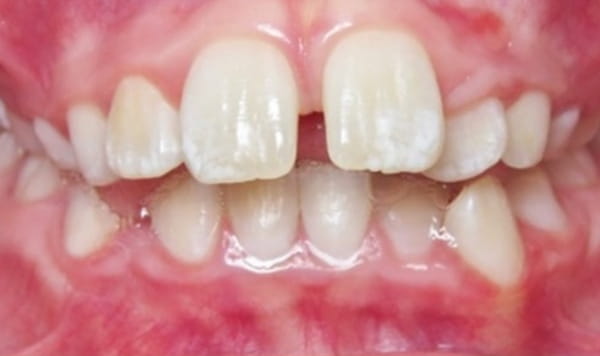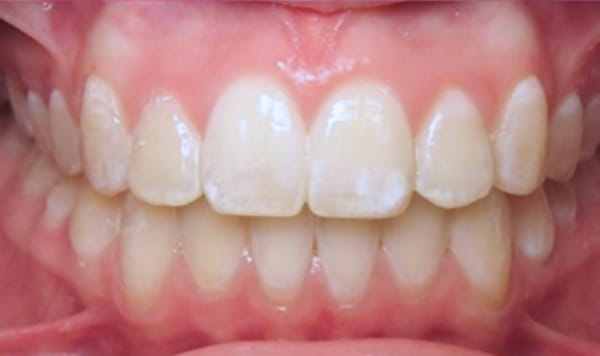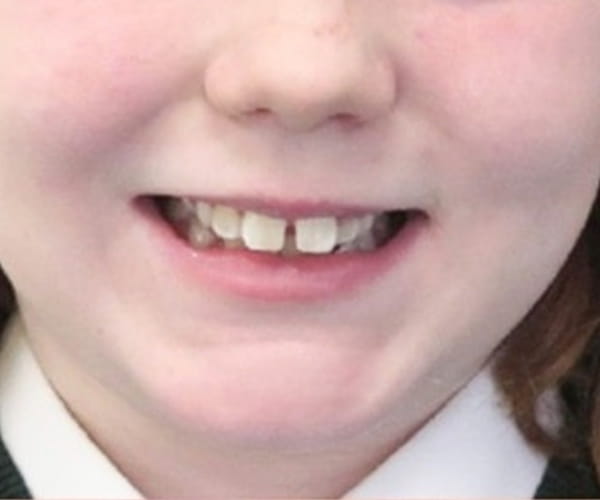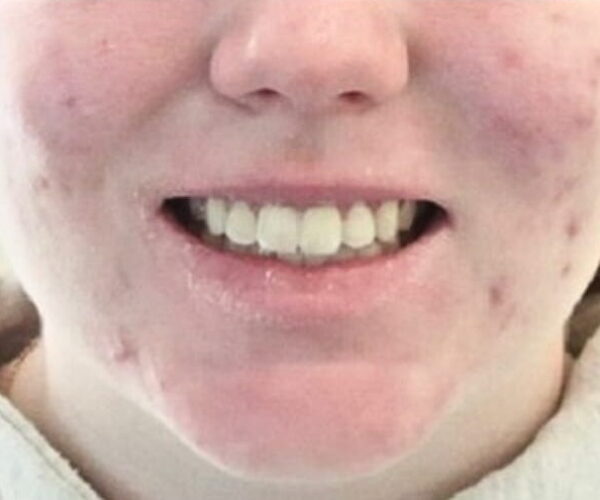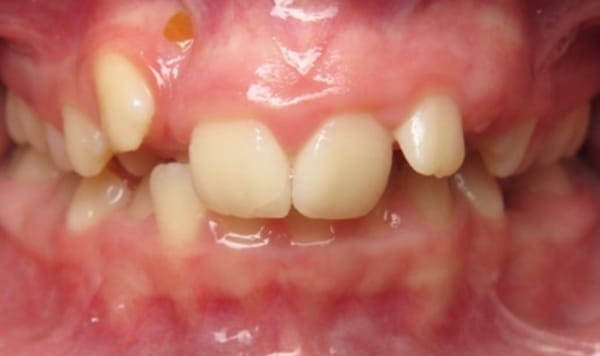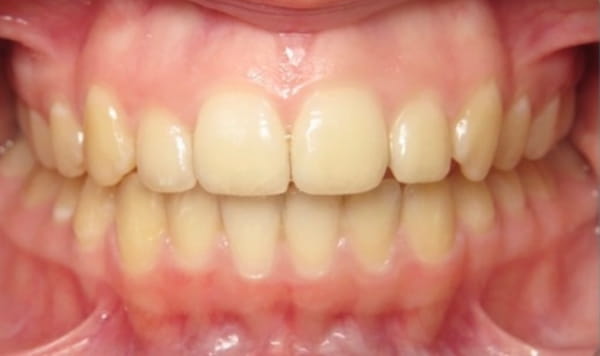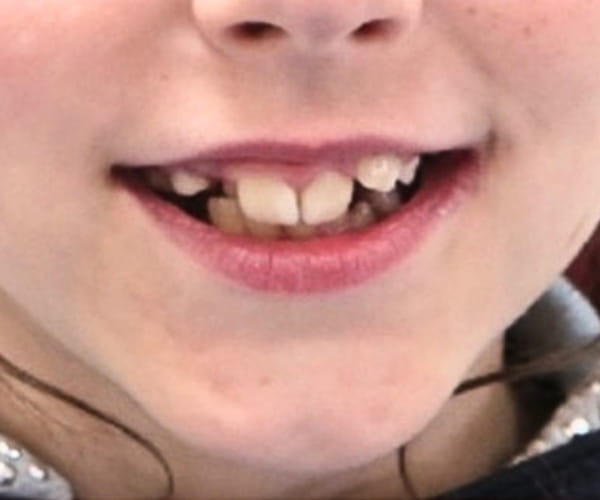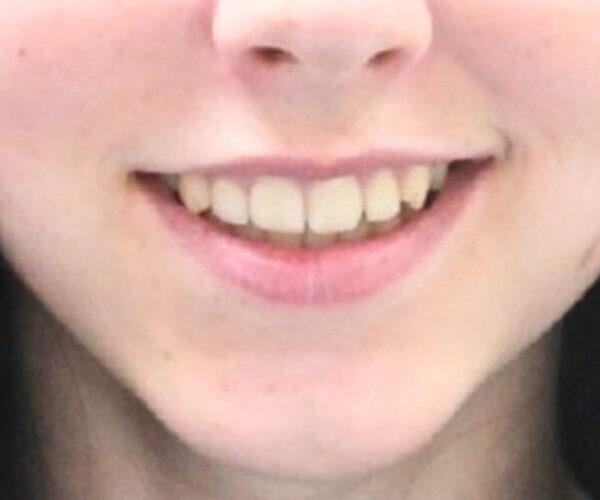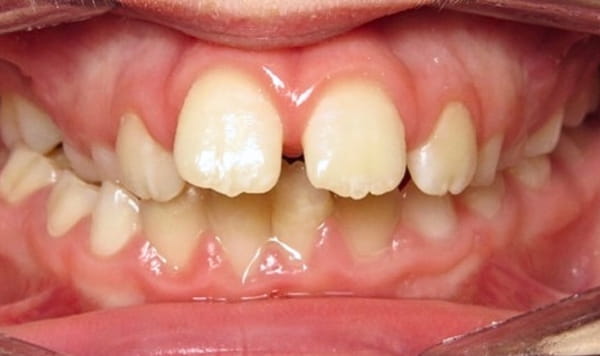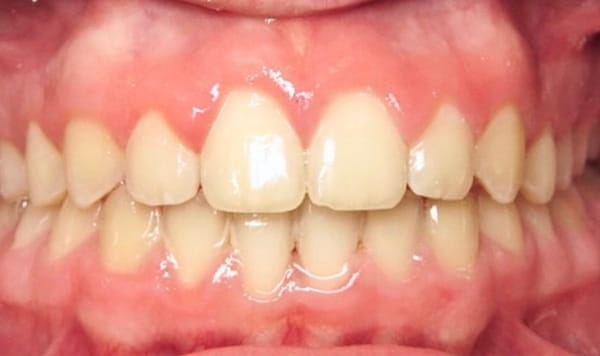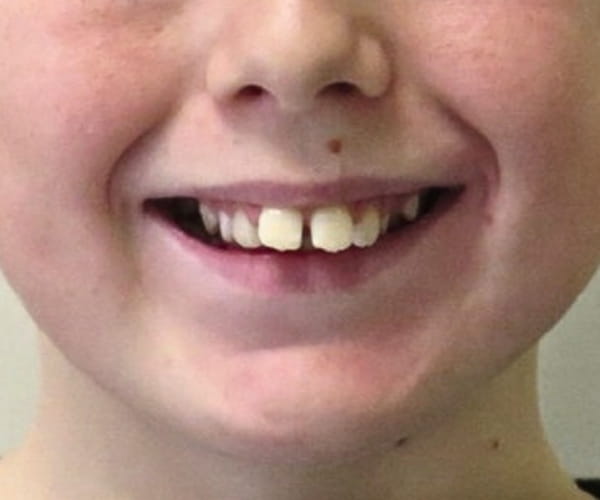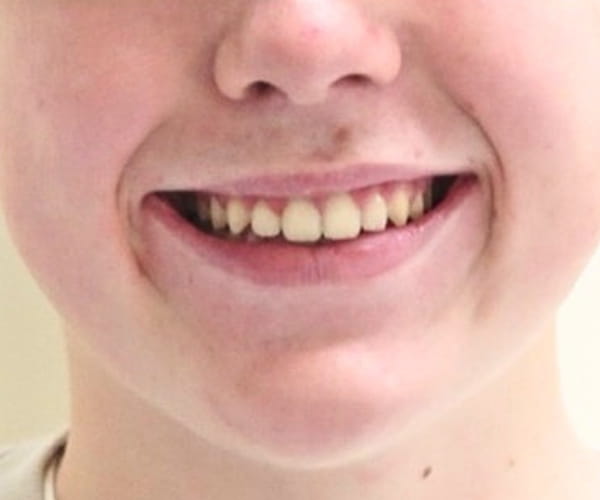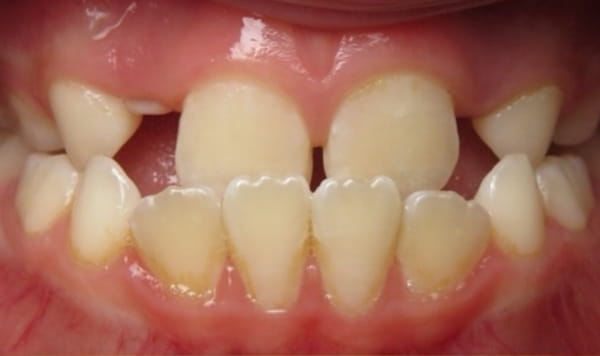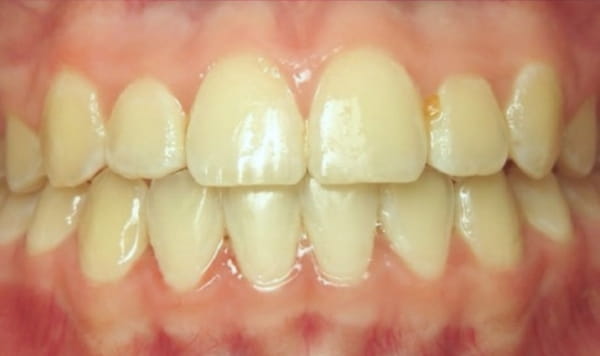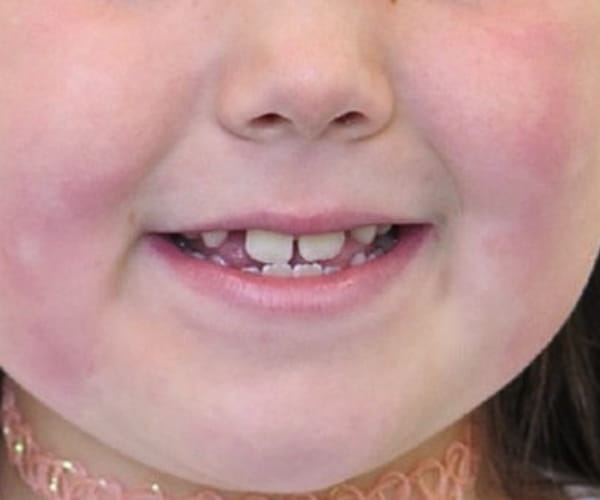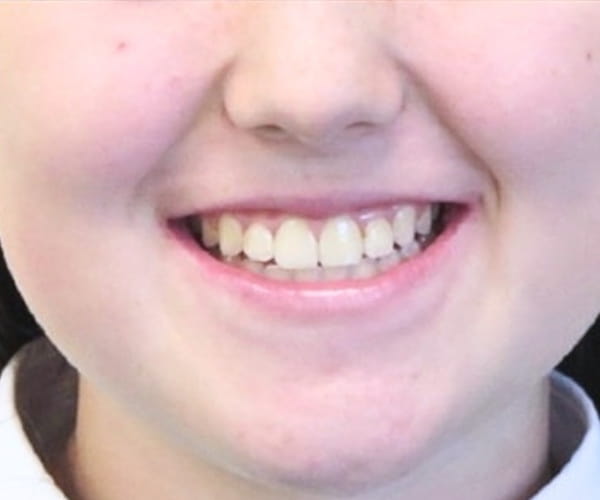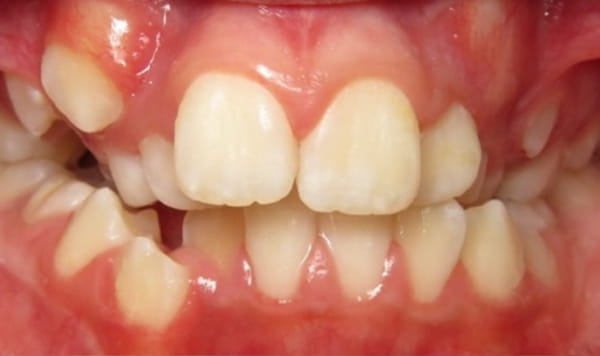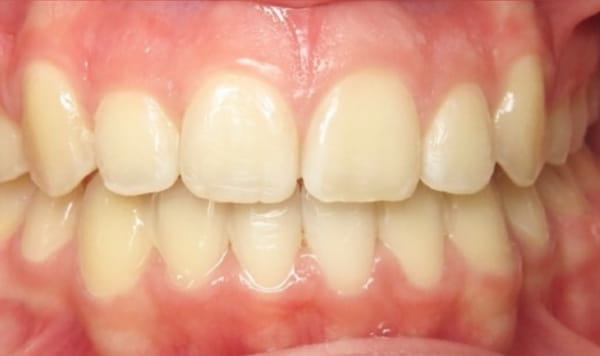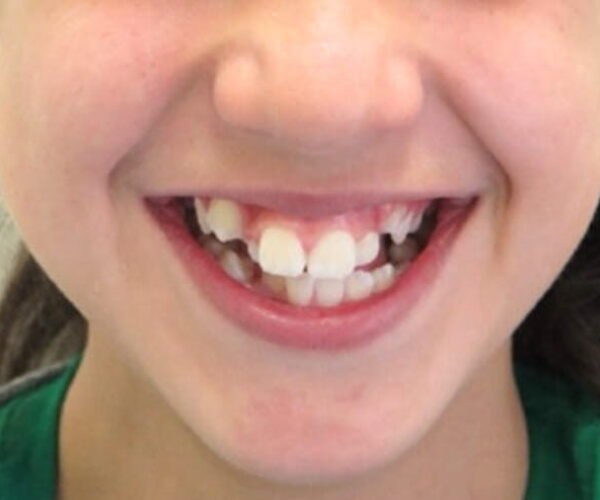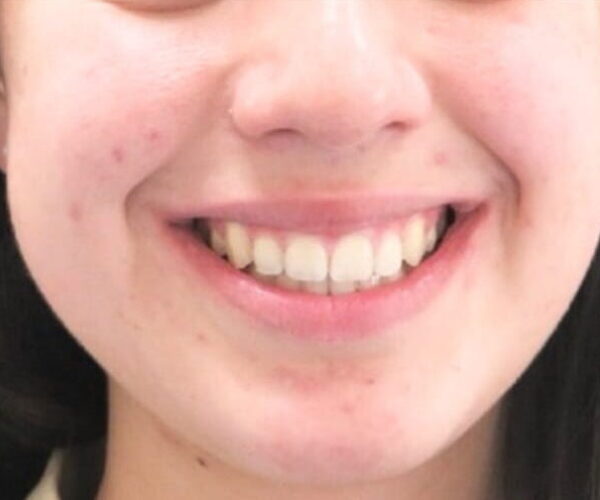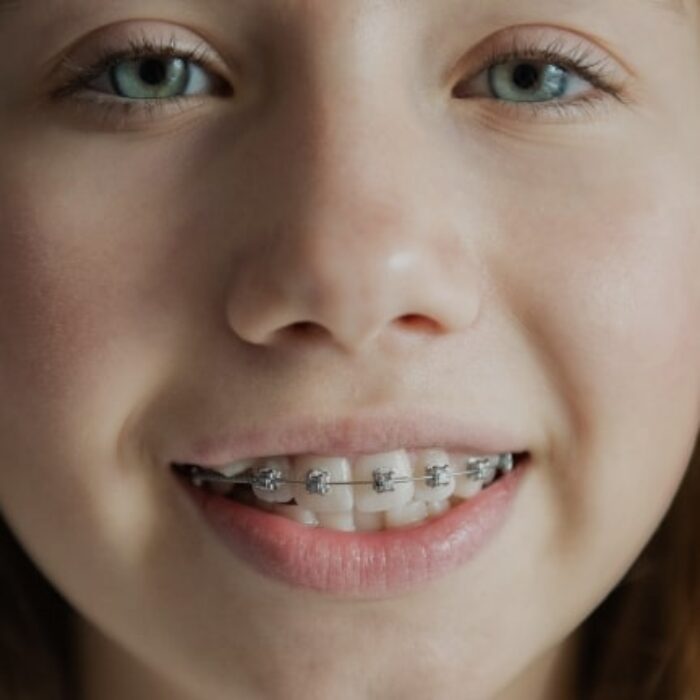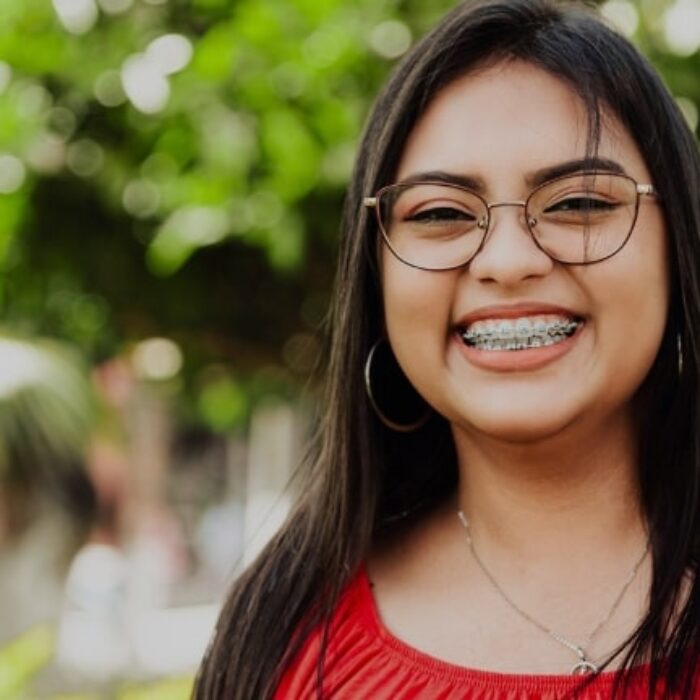
Some children who snore, breathe through their mouth or sleep badly also have a narrow upper jaw or a crowded bite. These problems can overlap. When we assess your child’s teeth and jaws, we also look for signs that their breathing during sleep may need a closer look.
Signs parents often notice
These signs have many possible causes. They don’t mean your child has a sleep problem. They do mean it’s worth asking.
What we do
We take a full history and examine your child’s teeth, jaws and bite. We ask about sleep and breathing. If we see signs of disturbed breathing, we write to your GP or recommend an ENT assessment. A doctor decides whether a sleep study is needed. Only a sleep study can diagnose sleep apnoea.
We don’t diagnose or treat sleep apnoea. Our role is to spot the signs and make sure your child gets the right referral.
Where orthodontics fits
Large tonsils and adenoids are the most common cause of sleep-disordered breathing in children. Removing them is usually the first treatment. ENT care should never wait for orthodontic treatment.
Some children also have a narrow upper jaw, often with a crossbite or crowding. We may recommend expansion to correct this. Expansion widens the upper jaw and the floor of the nose. Some studies show improvements in nasal breathing afterwards, but the evidence is limited and results vary. We treat the jaw problem on its own merits. We don’t promise changes to breathing or sleep.
Working with your child’s doctors
Good care often needs more than one specialist. We work alongside your GP, ENT surgeon and paediatrician, and share our findings with them.
Frequently asked questions
Can orthodontic treatment stop my child snoring?
It may help some children with a narrow upper jaw. It isn’t a recognised treatment for snoring or sleep apnoea, and we can’t guarantee any change.
Should my child see an ENT surgeon first?
If there are signs of disturbed breathing, yes. ENT assessment and treatment come first.
What age should my child be assessed?
We recommend an orthodontic check by age 6. Some jaw problems, such as crossbites, are easier to correct while a child is growing.
Book an assessment
If you’re concerned about your child’s bite, jaw development or breathing, book a consultation. We’ll talk you through what we find and what, if anything, needs to happen next.
Lusk Orthodontics works closely with ENT surgeons and otolaryngologists across Dublin and throughout Ireland in the assessment and management of children where breathing and sleep are a concern.
Where a child presents with signs of nasal obstruction, mouth breathing, or disturbed sleep, ENT assessment is recommended as a routine part of the workup, alongside the orthodontic assessment. In many cases, the most effective approach involves addressing both the structural (orthodontic) and the soft tissue (ENT) components of the problem simultaneously or in a carefully coordinated sequence.

In many children with mouth breathing and airway concerns, abnormal tongue posture and oral habits — such as a low resting tongue position, a tongue thrust swallowing pattern, or persistent thumb or finger sucking — are identified alongside the structural problem. These habits perpetuate the narrow arch and the mouth-breathing pattern even after orthodontic or ENT treatment has been completed, and addressing them is essential for long-term stability.

Parents are encouraged to mention any of the following at their child’s orthodontic consultation:
Each of the treatments below is used to correct a problem with the teeth or jaws. Some have been shown to change the size of the airway. None is a recognised treatment for sleep apnoea, and we don’t promise changes to breathing or sleep.
Palatal expansion widens a narrow upper jaw. Because the floor of the nose is also the roof of the mouth, expansion widens the nasal floor as well. Some studies show reduced nasal resistance and easier nasal breathing in children after expansion. The evidence is limited, results vary from child to child, and the long-term effect is not well established.
Nasal blockage in children often has other causes, such as enlarged adenoids, enlarged turbinates or allergies. Expansion doesn’t treat these. Where they are present, ENT assessment is needed, and we coordinate the timing of treatment with the ENT team. ENT treatment should not be delayed for orthodontics.
Some children have an underdeveloped upper jaw, which can cause the lower teeth to bite in front of the upper teeth (a class III pattern). Facemask therapy is used in younger children to encourage the upper jaw forward and correct the bite. Some studies show small increases in upper airway dimensions after treatment. Whether these changes affect breathing during sleep is not known.
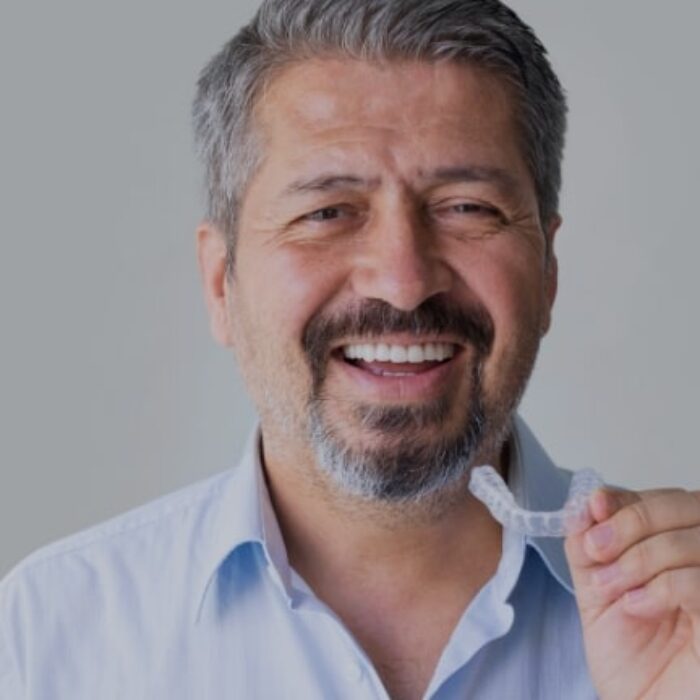
Some children have prominent upper front teeth and a set-back lower jaw. Aligners with mandibular advancement features hold the lower jaw forward while they are worn, to reduce the overjet. Reducing a large overjet early is well supported by evidence for lowering the risk of injury to the front teeth. Most of the correction comes from tooth movement. The effect on the airway has not been well studied, and we don’t present this as a breathing treatment.

5.0
We highly recommend Dr Erfan Sallom. He transformed our daughter’s teeth, and she’s extremely happy with her beautiful smile! We were looking for an Orthodontist who had a reputable history, gave excellent results, held high standards, was kind and gentle, and that is what we got. She didn’t have to get any teeth removed, which was a bonus. Really appreciated the individual time, updates, never felt rushed, and a personable approach. Thank you, Erfan. – Georgina
5.0
I was very anxious about orthodontic treatment and, as such, delayed it for years. I did not need to be nervous with the expertise and professionalism of Erfan. He was very motivational and ensured I achieved an excellent result. I am now extremely happy with my smile. I would not hesitate to recommend him to anyone. – Ciara K
5.0
I would really recommend anyone to Dr Erfan Salloum. My experience with Erfan was amazing. I had no issue; he was very knowledgeable about his work and was always happy to explain the next steps with my treatment and concerns, or answer any questions about my treatment plan, etc!
I would recommend Erfan to anyone, there’s no safer hands to be in than Erfan for sure! – Martin R
5.0
I have just finished my two-year orthodontic treatment with Dr Erfan, and I would highly recommend him. He explained everything perfectly about the treatment plan, and I was always treated with great care. You are in good hands! Many thanks. – Julie P
5.0
I would highly recommend Dr Erfan from start to finish. He took the time to make the entire process for our daughter as easy as possible. We are delighted with the results & she has received many compliments on her beautiful smile. – Caroline C
5.0
I’m very happy with my treatment and results. I was delighted with Dr Erfan Salloum’s attention to detail, and so happy he took the time to make sure everything was perfect. Thank you. – Orlaith D
5.0
My daughter has been under the care of Dr Erfan Salloum for the past three years, as she had a lot of work to be done. She has had braces removed, and the result is stunning. We are thrilled about how well everything went. – Elizabeth G
5.0
Absolutely delighted with my results. Thank you to Dr Erfan and his team for taking care of me so well! Treatment lasted 24 months, and it was so worth it. Would recommend it to everyone! – Ang
5.0
Everyone was very nice and professional, and Dr Erfan Salloum did a great job with my braces. – Matthew C
5.0
I am very grateful to Dr Efran Salloum for taking the time to do a free video consultation with me to discuss my issue. He listened attentively to my concerns, offered insight and advised me of a range of clear options to explore for my particular issue (which concerns narrow airways). I very much appreciated his expertise, which he conveyed with kindness and without expectation. I would highly recommend Dr Efran for his expert knowledge and professionalism. – Shelagh S
5.0
My daughter had a great experience, thrilled with the results. She was treated very well at every appointment and now has a gorgeous smile thanks to Erfan and the team. – Auds C
5.0
Incredibly happy with my experience with Dr Erfan. He was a pleasure to deal with throughout the process, explained everything clearly, offered all support needed, and the results have been absolutely perfect. Ultimately, I can’t recommend Dr Erfan highly enough. He and his team are incredibly professional and highly skilled, so you’ll be in safe hands throughout your treatment. – Laurence W
5.0
We highly recommend Dr Erfan Sallom. He transformed our daughter’s teeth, and she’s extremely happy with her beautiful smile! We were looking for an Orthodontist who had a reputable history, gave excellent results, held high standards, was kind and gentle, and that is what we got. She didn’t have to get any teeth removed, which was a bonus. Really appreciated the individual time, updates, never felt rushed, and a personable approach. Thank you, Erfan. – Georgina
5.0
I was very anxious about orthodontic treatment and, as such, delayed it for years. I did not need to be nervous with the expertise and professionalism of Erfan. He was very motivational and ensured I achieved an excellent result. I am now extremely happy with my smile. I would not hesitate to recommend him to anyone. – Ciara K
5.0
I would really recommend anyone to Dr Erfan Salloum. My experience with Erfan was amazing. I had no issue; he was very knowledgeable about his work and was always happy to explain the next steps with my treatment and concerns, or answer any questions about my treatment plan, etc!
I would recommend Erfan to anyone, there’s no safer hands to be in than Erfan for sure! – Martin R
5.0
I have just finished my two-year orthodontic treatment with Dr Erfan, and I would highly recommend him. He explained everything perfectly about the treatment plan, and I was always treated with great care. You are in good hands! Many thanks. – Julie P
5.0
I would highly recommend Dr Erfan from start to finish. He took the time to make the entire process for our daughter as easy as possible. We are delighted with the results & she has received many compliments on her beautiful smile. – Caroline C
5.0
I’m very happy with my treatment and results. I was delighted with Dr Erfan Salloum’s attention to detail, and so happy he took the time to make sure everything was perfect. Thank you. – Orlaith D
5.0
My daughter has been under the care of Dr Erfan Salloum for the past three years, as she had a lot of work to be done. She has had braces removed, and the result is stunning. We are thrilled about how well everything went. – Elizabeth G
5.0
Absolutely delighted with my results. Thank you to Dr Erfan and his team for taking care of me so well! Treatment lasted 24 months, and it was so worth it. Would recommend it to everyone! – Ang
5.0
Everyone was very nice and professional, and Dr Erfan Salloum did a great job with my braces. – Matthew C
5.0
I am very grateful to Dr Efran Salloum for taking the time to do a free video consultation with me to discuss my issue. He listened attentively to my concerns, offered insight and advised me of a range of clear options to explore for my particular issue (which concerns narrow airways). I very much appreciated his expertise, which he conveyed with kindness and without expectation. I would highly recommend Dr Efran for his expert knowledge and professionalism. – Shelagh S
5.0
My daughter had a great experience, thrilled with the results. She was treated very well at every appointment and now has a gorgeous smile thanks to Erfan and the team. – Auds C
5.0
Incredibly happy with my experience with Dr Erfan. He was a pleasure to deal with throughout the process, explained everything clearly, offered all support needed, and the results have been absolutely perfect. Ultimately, I can’t recommend Dr Erfan highly enough. He and his team are incredibly professional and highly skilled, so you’ll be in safe hands throughout your treatment. – Laurence W
The founder and the specialist orthodontist at Lusk Orthodontics. He is a winner of the British Orthodontic Society's Maurice Berman Prize for clinical excellence, with a particular interest in complex orthodontic treatment,…
Read MORE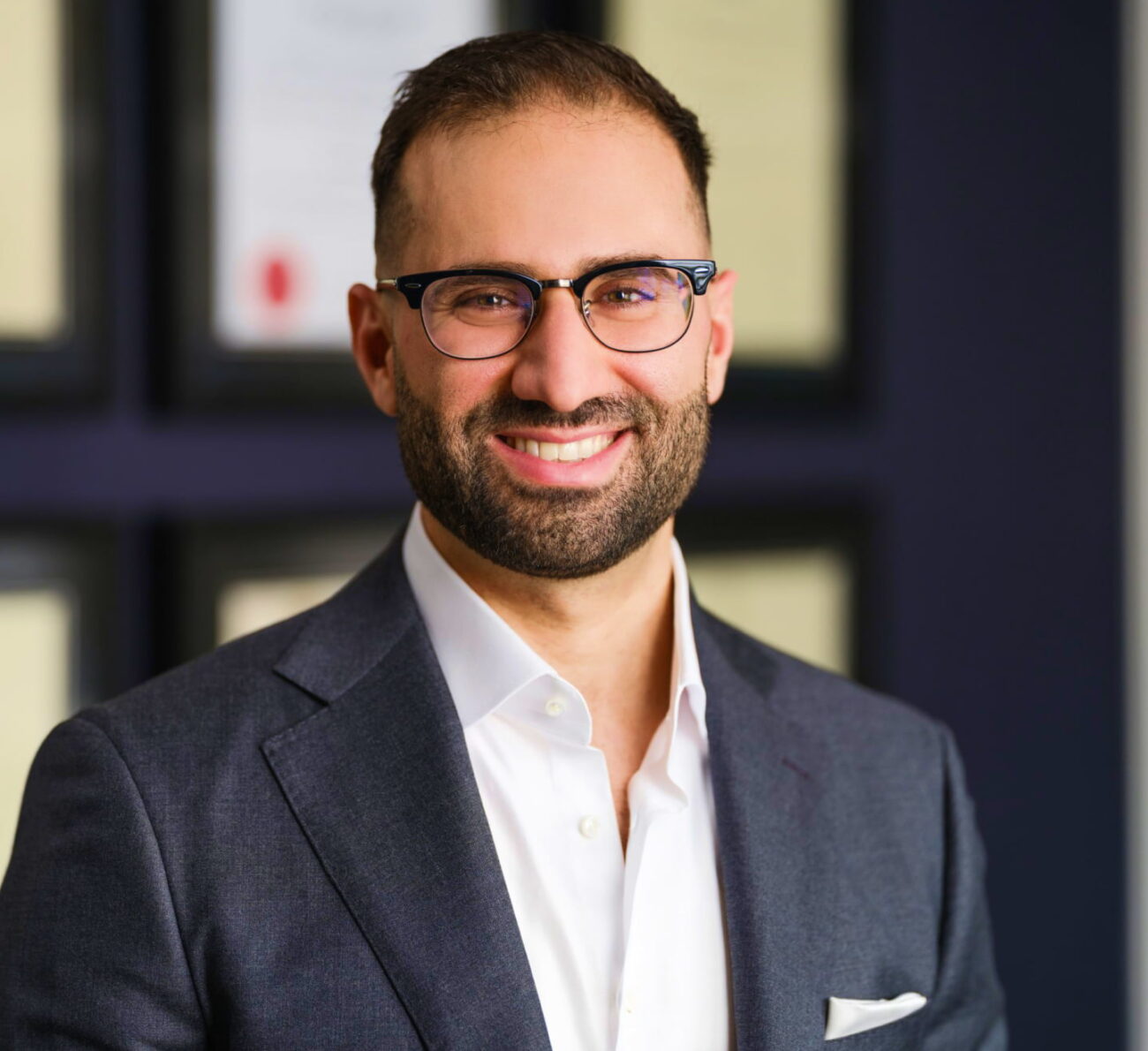

“We highly recommend Dr Erfan Sallom. He transformed our daughter’s teeth, and she’s extremely happy with her beautiful smile! We were looking for an Orthodontist...”

“I was very anxious about orthodontic treatment and, as such, delayed it for years. I did not need to be nervous with the expertise and...”
“I would really recommend anyone to Dr Erfan Salloum. My experience with Erfan was amazing. I had no issue; he was very knowledgeable about his...”
“I have just finished my two-year orthodontic treatment with Dr Erfan, and I would highly recommend him. He explained everything perfectly about the treatment plan,...”











Where nasal obstruction related to a narrow palate is contributing to disturbed sleep, palatal expansion can produce meaningful improvements in nasal breathing and sleep quality. The best outcomes are achieved when orthodontic and ENT issues are addressed together as part of a coordinated plan.
Some children do improve spontaneously, particularly if adenoids and tonsils reduce in size with age. However, where structural factors — a narrow palate, a class III jaw relationship — are contributing, these will not resolve without intervention. An orthodontic assessment does not commit to treatment; it provides information that allows an informed decision to be made about whether and when to act.
Lusk Orthodontics has established collaborative relationships with ENT surgeons and otolaryngologists across Dublin and throughout Ireland. We are happy to communicate with your child’s existing ENT specialist, or to facilitate a referral where one has not yet been made.

Book a consultation today and let our friendly team guide you towards a healthier, more confident smile with personalised advice, modern treatments, and genuine care every step of the way.
Book a Consultation BACK TO For ChildrenAt Lusk Orthodontics, we’re proud to offer one of the most comprehensive ranges of orthodontic treatments in Dublin and across Ireland — all delivered to the highest clinical standards.
Practice
Treatments
Terms
Discover behind-the-scenes care and amazing results on our Instagram. From patient transformations to everyday moments at our clinic, our feed is filled with smiles, stories, and inspiration.
Copyright