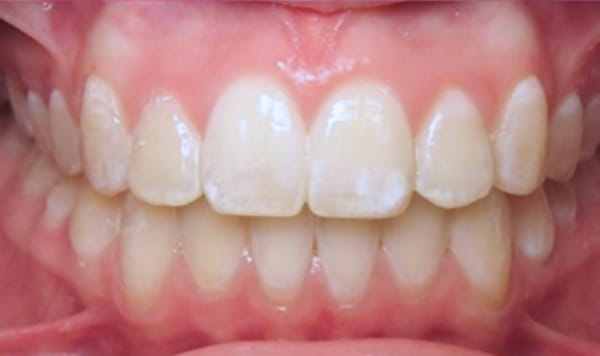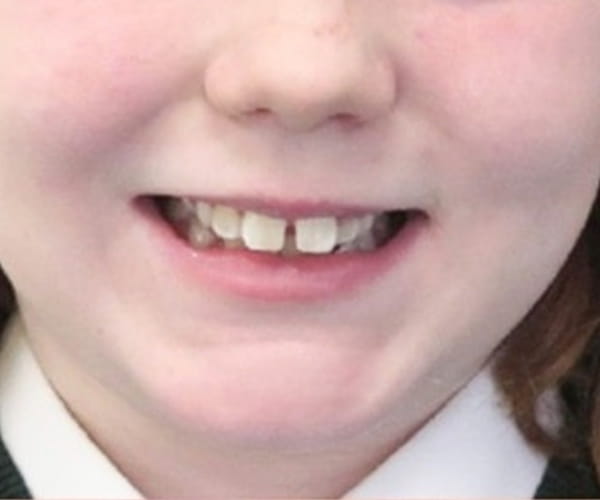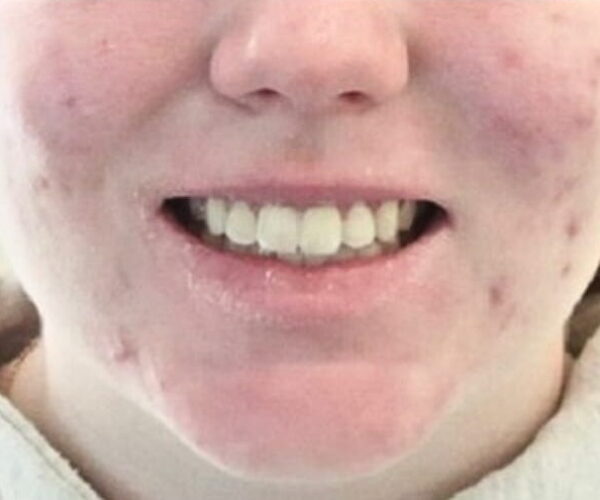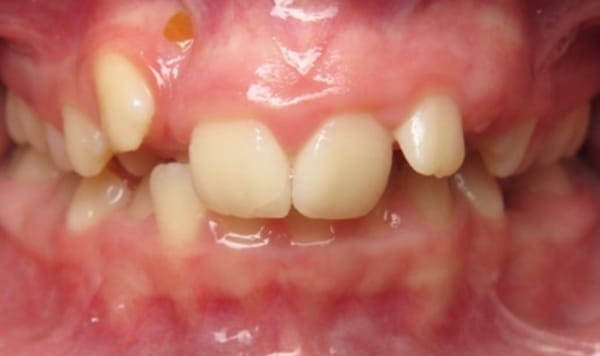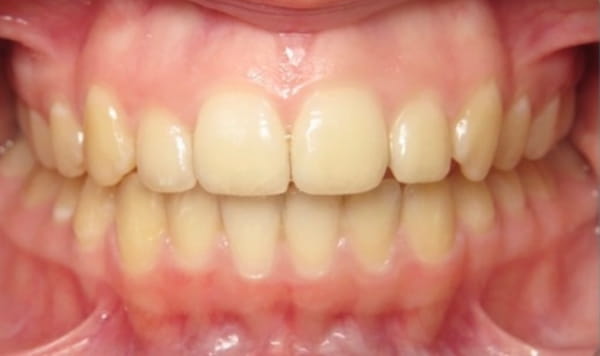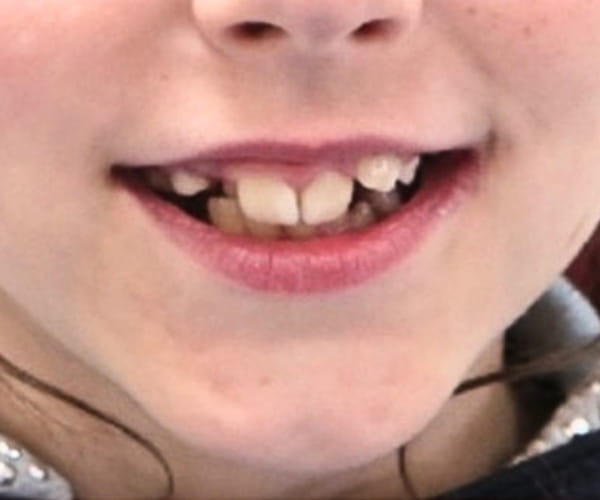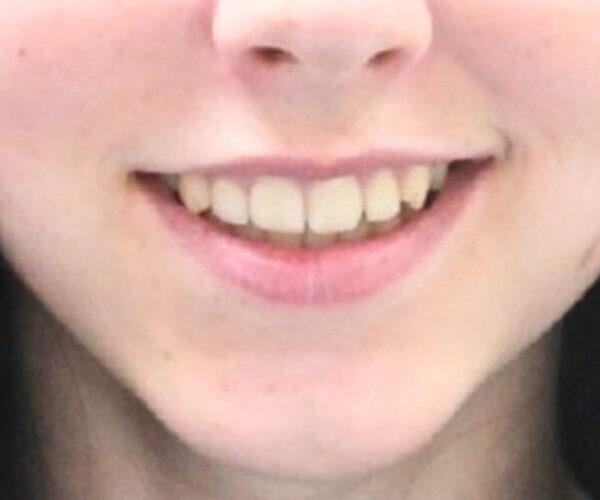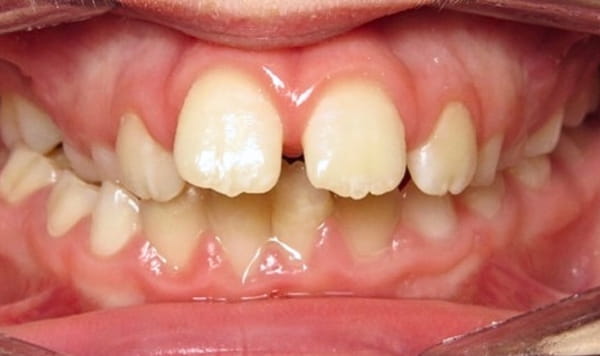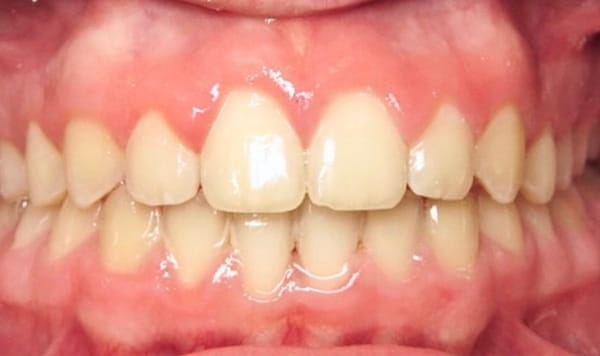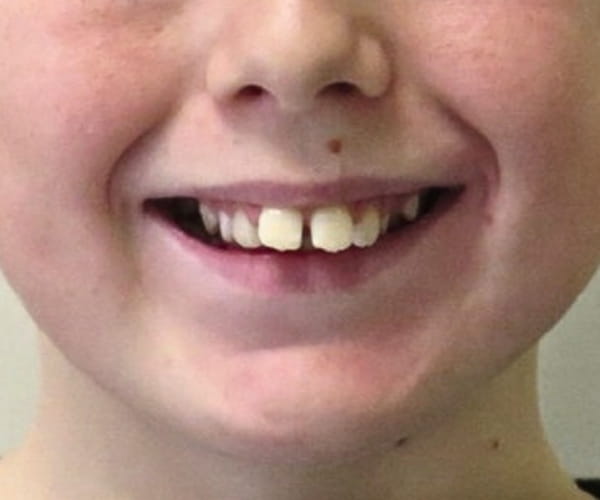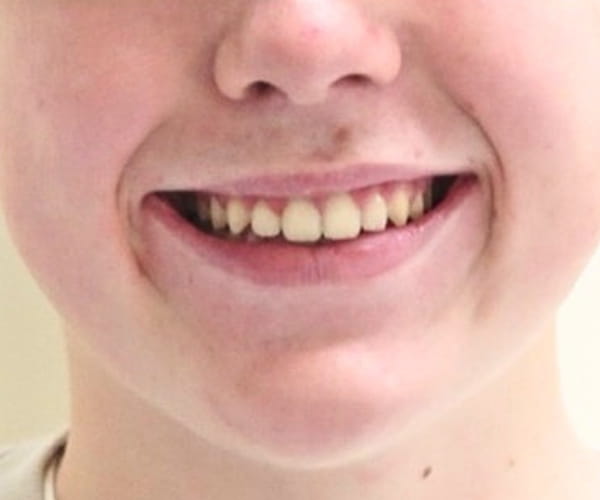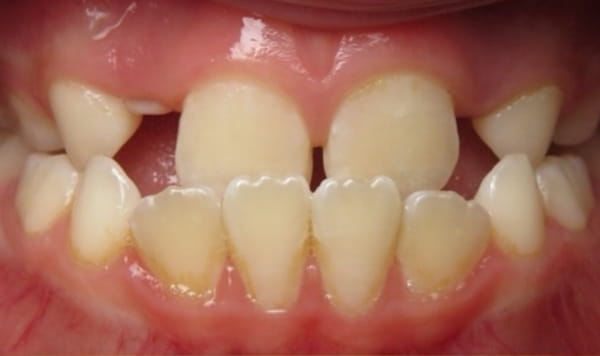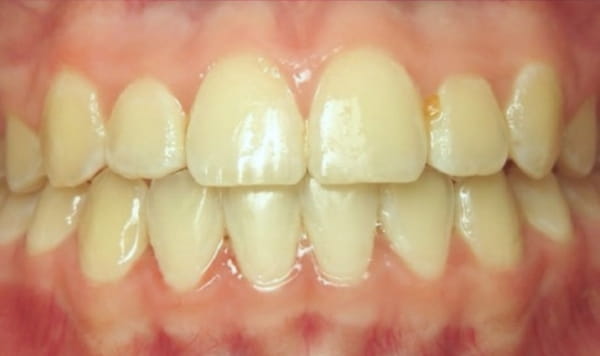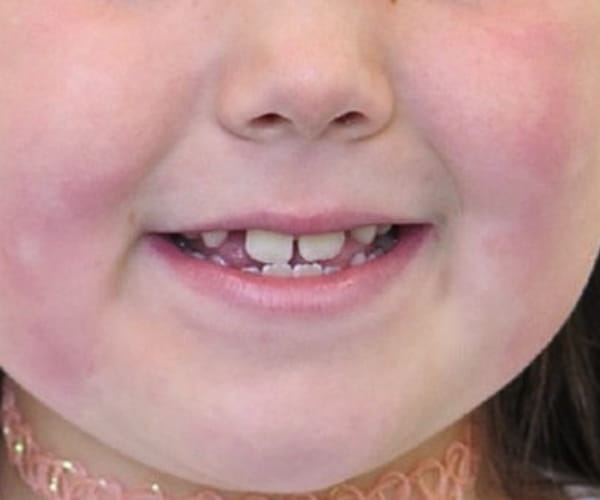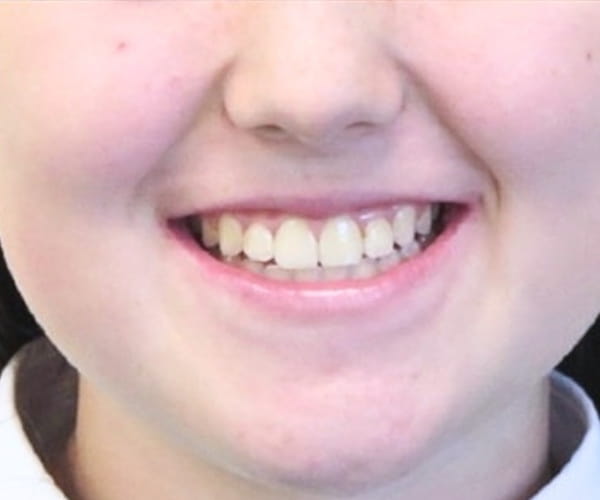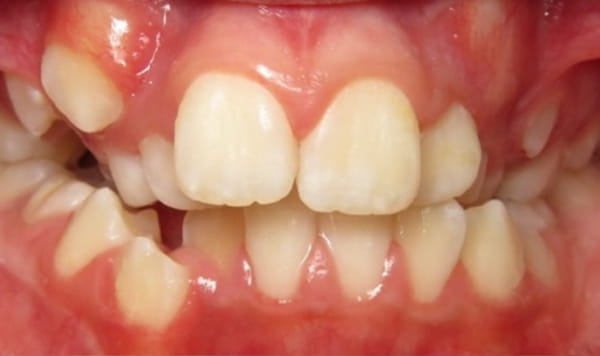
During childhood, this suture is wide open and highly responsive to the gentle, sustained forces applied by a palatal expander. This makes early childhood one of the most effective and least invasive times to widen a narrow upper jaw.
At Lusk Orthodontics, we time palatal expansion around each child’s dental and jaw development. Some children benefit from treatment as early as six, for example when a crossbite is causing the lower jaw to shift to one side. Others can wait until around ten or eleven. The right time depends on each child.
We also take breathing into account. Some evidence suggests expansion can reduce nasal resistance in children with a narrow upper jaw, although results vary. Breathing concerns are assessed alongside the child’s GP or ENT surgeon, and expansion is not used as a substitute for medical care.
Following palatal expansion, the next steps depend on the child’s age and the wider treatment plan.
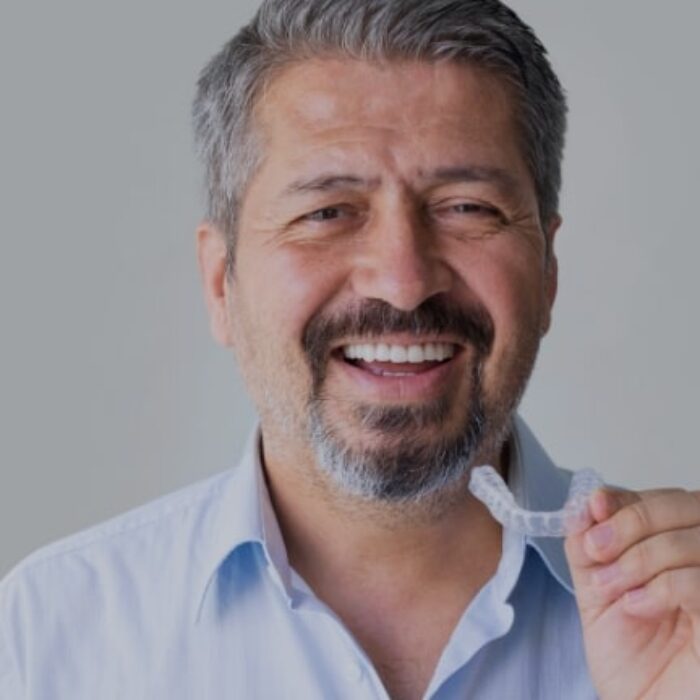
In younger children, expansion may be the only treatment needed at that stage, with fixed brace treatment planned later once more of the permanent teeth have erupted. In other cases, a phase of 2×4 sectional brace treatment or clear aligner therapy follows expansion to align the front teeth within the newly expanded arch.
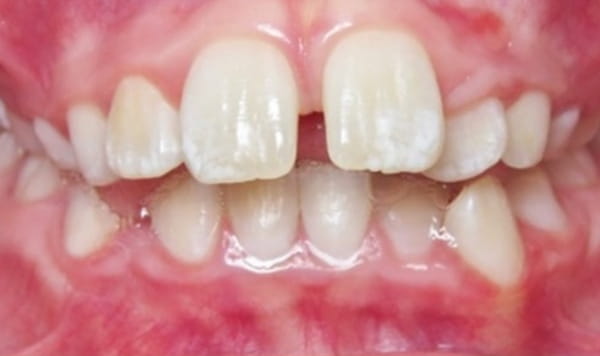
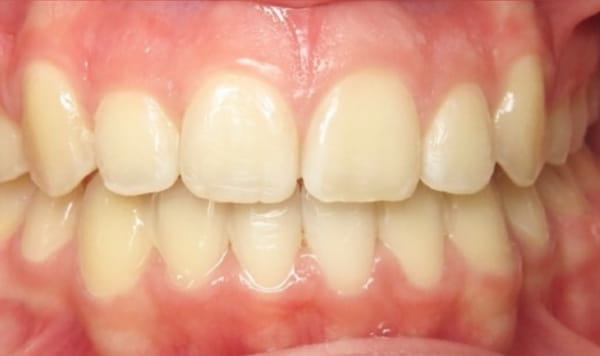
A gap between the upper front teeth is normal and expected during the active expansion phase — this is a sign that the suture is opening. It closes naturally during the consolidation period as the bone fills in.
In some children, oral habits are seen alongside a narrow upper jaw. These include thumb or finger sucking, mouth breathing, a low resting tongue position and a tongue thrust when swallowing.
A prolonged thumb or finger sucking habit is a recognised cause of a narrow upper jaw and crossbite, and stopping the habit is an important part of treatment. The role of tongue posture is less clear. It may contribute to jaw shape, but this has not been proven.
Where these habits are present, we may recommend myofunctional therapy alongside expansion. It uses exercises to encourage nasal breathing, a better tongue resting position and a normal swallow. The evidence in children is still developing, and it has not been proven to improve the stability of expansion. We use it as a supporting treatment, not a replacement for orthodontic or medical care. Mouth breathing often has a medical cause, such as enlarged adenoids or allergies, which should be assessed by a doctor first.
We deliver myofunctional therapy through the Tongue Teacher app, which guides children through exercises at home. We also work with myofunctional therapists in the UK. With your consent, they use the records taken at Lusk Orthodontics to assess your child and guide exercises through online sessions.
To find out whether palatal expansion is right for your child, book a specialist assessment at Lusk Orthodontics.
A narrow upper jaw is a common finding in children. It can be associated with a range of dental and functional problems, including:
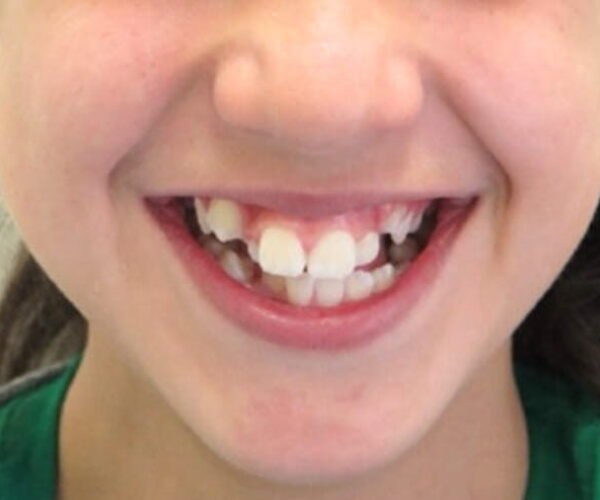
Posterior crossbite. One or more upper back teeth bite inside the lower teeth. In some children, this causes the lower jaw to shift to one side when they close. Correcting the crossbite early removes the shift, and may reduce the risk of uneven jaw growth.
Crowding. A narrow upper jaw leaves less room for the adult teeth. Expansion can create space and reduce the need for extractions in some children.
Preparation for further treatment. Expansion is often a first step before braces or aligners, creating the space needed for the teeth to align.
Nasal breathing. The floor of the nose is also the roof of the mouth. A narrow upper jaw is associated with a narrower nasal floor, and some evidence suggests expansion can reduce nasal resistance. Mouth breathing often has other causes, such as enlarged adenoids or allergies, which should be assessed by a doctor.
Removable Expanders
Removable expanders are appliances that the child wears for most of the day but can take out for eating, cleaning, and sport. They are suitable for mild expansion needs and cases where the degree of correction required is modest. Compliance — wearing the appliance consistently — is important for removable expanders to be effective.
Fixed Expanders
Fixed palatal expanders are cemented to the upper back teeth and remain in place throughout the expansion phase. They cannot be removed by the child and deliver continuous, controlled expansion forces. They are the most commonly used type for moderate to significant expansion needs, as they do not depend on patient compliance and allow the expansion to be delivered precisely.
The expander is activated by turning a small key inserted into an activation hole — typically once or twice daily — for a defined period. After the active expansion phase, the expander is left in place for a consolidation period of approximately three to six months to allow the new bone to mature before it is removed.


5.0
We highly recommend Dr Erfan Sallom. He transformed our daughter’s teeth, and she’s extremely happy with her beautiful smile! We were looking for an Orthodontist who had a reputable history, gave excellent results, held high standards, was kind and gentle, and that is what we got. She didn’t have to get any teeth removed, which was a bonus. Really appreciated the individual time, updates, never felt rushed, and a personable approach. Thank you, Erfan. – Georgina
5.0
I was very anxious about orthodontic treatment and, as such, delayed it for years. I did not need to be nervous with the expertise and professionalism of Erfan. He was very motivational and ensured I achieved an excellent result. I am now extremely happy with my smile. I would not hesitate to recommend him to anyone. – Ciara K
5.0
I would really recommend anyone to Dr Erfan Salloum. My experience with Erfan was amazing. I had no issue; he was very knowledgeable about his work and was always happy to explain the next steps with my treatment and concerns, or answer any questions about my treatment plan, etc!
I would recommend Erfan to anyone, there’s no safer hands to be in than Erfan for sure! – Martin R
5.0
I have just finished my two-year orthodontic treatment with Dr Erfan, and I would highly recommend him. He explained everything perfectly about the treatment plan, and I was always treated with great care. You are in good hands! Many thanks. – Julie P
5.0
I would highly recommend Dr Erfan from start to finish. He took the time to make the entire process for our daughter as easy as possible. We are delighted with the results & she has received many compliments on her beautiful smile. – Caroline C
5.0
I’m very happy with my treatment and results. I was delighted with Dr Erfan Salloum’s attention to detail, and so happy he took the time to make sure everything was perfect. Thank you. – Orlaith D
5.0
My daughter has been under the care of Dr Erfan Salloum for the past three years, as she had a lot of work to be done. She has had braces removed, and the result is stunning. We are thrilled about how well everything went. – Elizabeth G
5.0
Absolutely delighted with my results. Thank you to Dr Erfan and his team for taking care of me so well! Treatment lasted 24 months, and it was so worth it. Would recommend it to everyone! – Ang
5.0
Everyone was very nice and professional, and Dr Erfan Salloum did a great job with my braces. – Matthew C
5.0
I am very grateful to Dr Efran Salloum for taking the time to do a free video consultation with me to discuss my issue. He listened attentively to my concerns, offered insight and advised me of a range of clear options to explore for my particular issue (which concerns narrow airways). I very much appreciated his expertise, which he conveyed with kindness and without expectation. I would highly recommend Dr Efran for his expert knowledge and professionalism. – Shelagh S
5.0
My daughter had a great experience, thrilled with the results. She was treated very well at every appointment and now has a gorgeous smile thanks to Erfan and the team. – Auds C
5.0
Incredibly happy with my experience with Dr Erfan. He was a pleasure to deal with throughout the process, explained everything clearly, offered all support needed, and the results have been absolutely perfect. Ultimately, I can’t recommend Dr Erfan highly enough. He and his team are incredibly professional and highly skilled, so you’ll be in safe hands throughout your treatment. – Laurence W
5.0
We highly recommend Dr Erfan Sallom. He transformed our daughter’s teeth, and she’s extremely happy with her beautiful smile! We were looking for an Orthodontist who had a reputable history, gave excellent results, held high standards, was kind and gentle, and that is what we got. She didn’t have to get any teeth removed, which was a bonus. Really appreciated the individual time, updates, never felt rushed, and a personable approach. Thank you, Erfan. – Georgina
5.0
I was very anxious about orthodontic treatment and, as such, delayed it for years. I did not need to be nervous with the expertise and professionalism of Erfan. He was very motivational and ensured I achieved an excellent result. I am now extremely happy with my smile. I would not hesitate to recommend him to anyone. – Ciara K
5.0
I would really recommend anyone to Dr Erfan Salloum. My experience with Erfan was amazing. I had no issue; he was very knowledgeable about his work and was always happy to explain the next steps with my treatment and concerns, or answer any questions about my treatment plan, etc!
I would recommend Erfan to anyone, there’s no safer hands to be in than Erfan for sure! – Martin R
5.0
I have just finished my two-year orthodontic treatment with Dr Erfan, and I would highly recommend him. He explained everything perfectly about the treatment plan, and I was always treated with great care. You are in good hands! Many thanks. – Julie P
5.0
I would highly recommend Dr Erfan from start to finish. He took the time to make the entire process for our daughter as easy as possible. We are delighted with the results & she has received many compliments on her beautiful smile. – Caroline C
5.0
I’m very happy with my treatment and results. I was delighted with Dr Erfan Salloum’s attention to detail, and so happy he took the time to make sure everything was perfect. Thank you. – Orlaith D
5.0
My daughter has been under the care of Dr Erfan Salloum for the past three years, as she had a lot of work to be done. She has had braces removed, and the result is stunning. We are thrilled about how well everything went. – Elizabeth G
5.0
Absolutely delighted with my results. Thank you to Dr Erfan and his team for taking care of me so well! Treatment lasted 24 months, and it was so worth it. Would recommend it to everyone! – Ang
5.0
Everyone was very nice and professional, and Dr Erfan Salloum did a great job with my braces. – Matthew C
5.0
I am very grateful to Dr Efran Salloum for taking the time to do a free video consultation with me to discuss my issue. He listened attentively to my concerns, offered insight and advised me of a range of clear options to explore for my particular issue (which concerns narrow airways). I very much appreciated his expertise, which he conveyed with kindness and without expectation. I would highly recommend Dr Efran for his expert knowledge and professionalism. – Shelagh S
5.0
My daughter had a great experience, thrilled with the results. She was treated very well at every appointment and now has a gorgeous smile thanks to Erfan and the team. – Auds C
5.0
Incredibly happy with my experience with Dr Erfan. He was a pleasure to deal with throughout the process, explained everything clearly, offered all support needed, and the results have been absolutely perfect. Ultimately, I can’t recommend Dr Erfan highly enough. He and his team are incredibly professional and highly skilled, so you’ll be in safe hands throughout your treatment. – Laurence W
The founder and the specialist orthodontist at Lusk Orthodontics. He is a winner of the British Orthodontic Society's Maurice Berman Prize for clinical excellence, with a particular interest in complex orthodontic treatment,…
Read MORE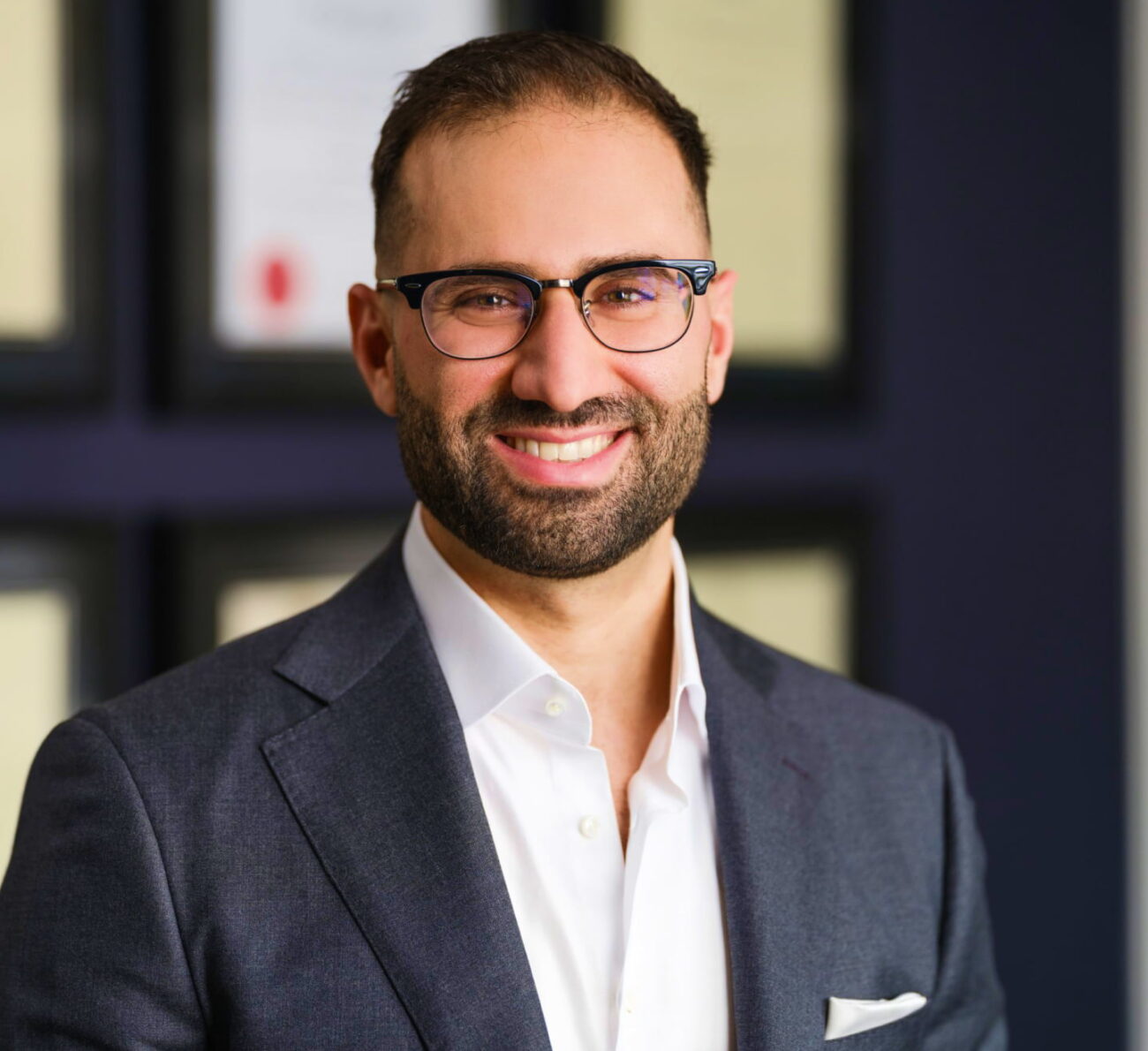

“We highly recommend Dr Erfan Sallom. He transformed our daughter’s teeth, and she’s extremely happy with her beautiful smile! We were looking for an Orthodontist...”

“I was very anxious about orthodontic treatment and, as such, delayed it for years. I did not need to be nervous with the expertise and...”
“I would really recommend anyone to Dr Erfan Salloum. My experience with Erfan was amazing. I had no issue; he was very knowledgeable about his...”
“I have just finished my two-year orthodontic treatment with Dr Erfan, and I would highly recommend him. He explained everything perfectly about the treatment plan,...”











Expansion can be carried out from approximately 6–7 years of age, once the first permanent molars have erupted and can be used as anchor teeth. The ideal age varies between individuals and is assessed at consultation.
Most children experience mild pressure or discomfort for one to two days after each activation, but find the sensation manageable. The appliance itself does not cause pain between activations.
Expansion addresses arch width but does not align the individual teeth. In most cases, further orthodontic treatment — braces or aligners — is needed at a later stage to complete tooth alignment. Expansion does, however, make that later treatment simpler and may reduce or eliminate the need for tooth extractions.
The active expansion phase typically takes one to three months. The consolidation phase (the expander remaining in place after active expansion) adds a further three to six months. The expander is then removed.

Book a consultation today and let our friendly team guide you towards a healthier, more confident smile with personalised advice, modern treatments, and genuine care every step of the way.
Book a Consultation BACK TO For ChildrenAt Lusk Orthodontics, we’re proud to offer one of the most comprehensive ranges of orthodontic treatments in Dublin and across Ireland — all delivered to the highest clinical standards.
Practice
Treatments
Terms
Discover behind-the-scenes care and amazing results on our Instagram. From patient transformations to everyday moments at our clinic, our feed is filled with smiles, stories, and inspiration.
Copyright