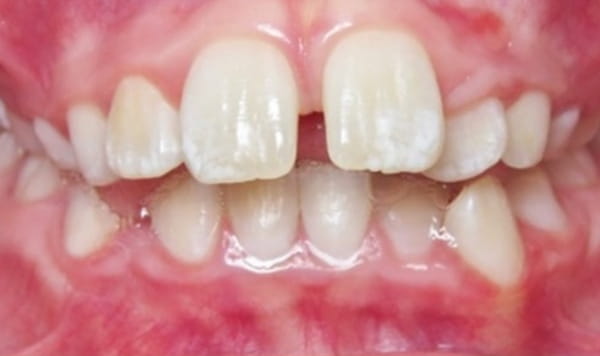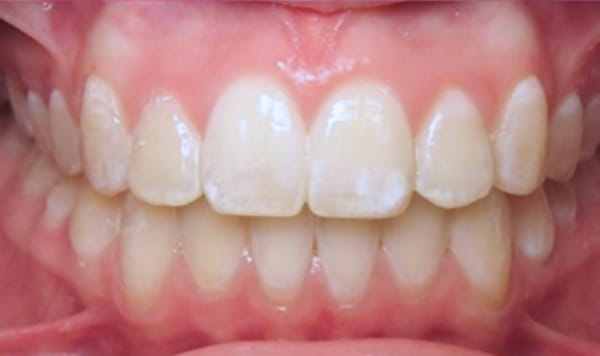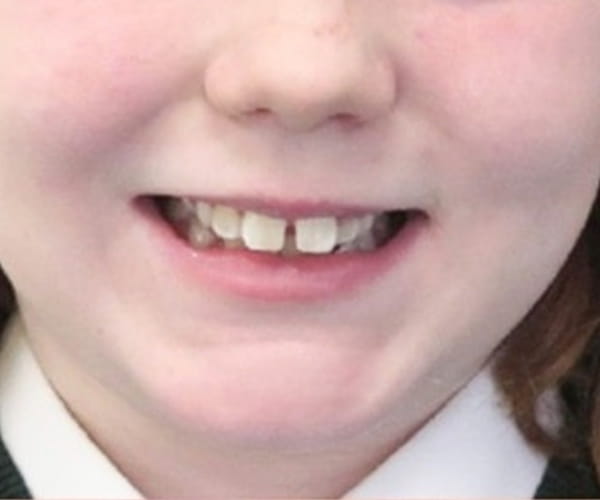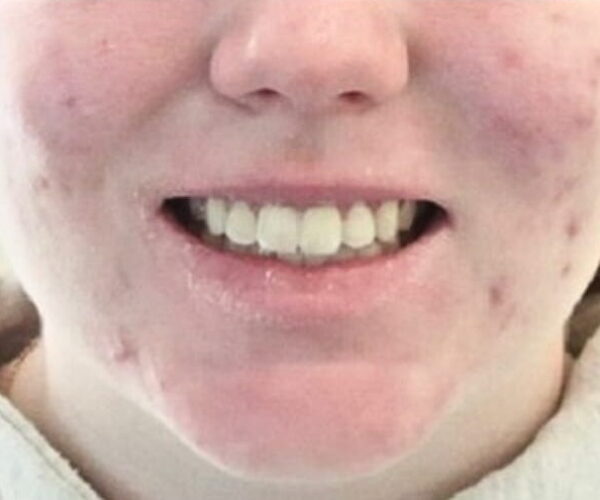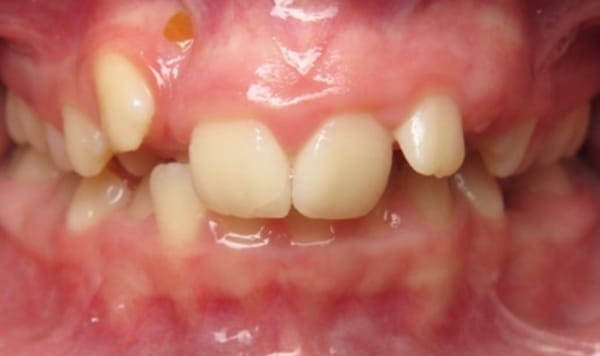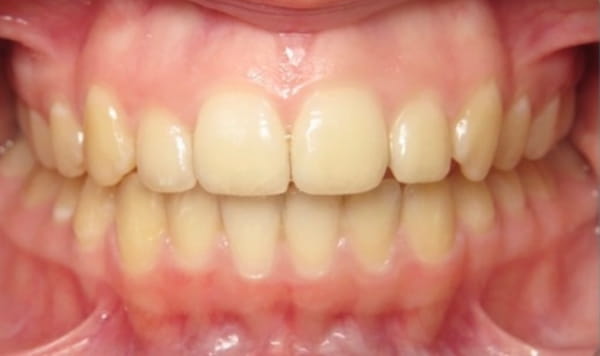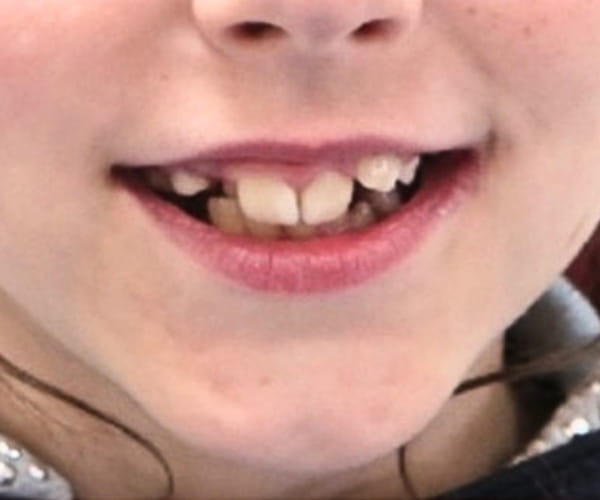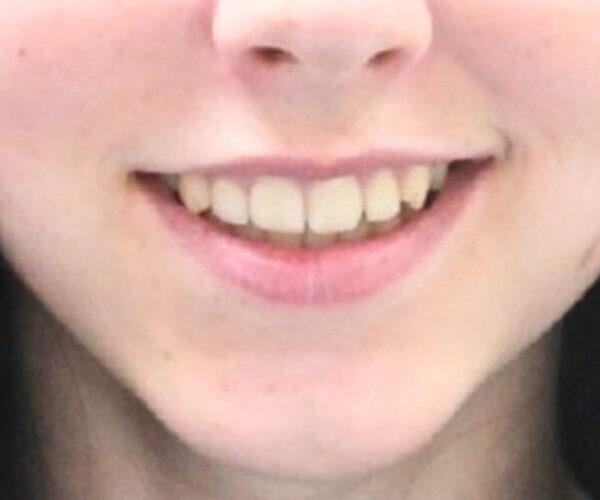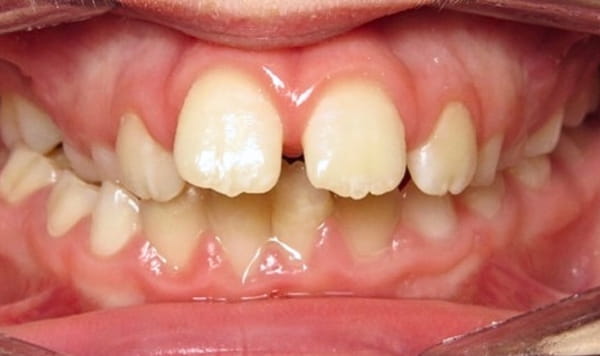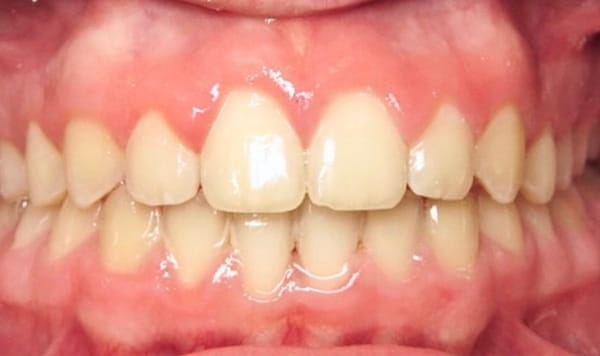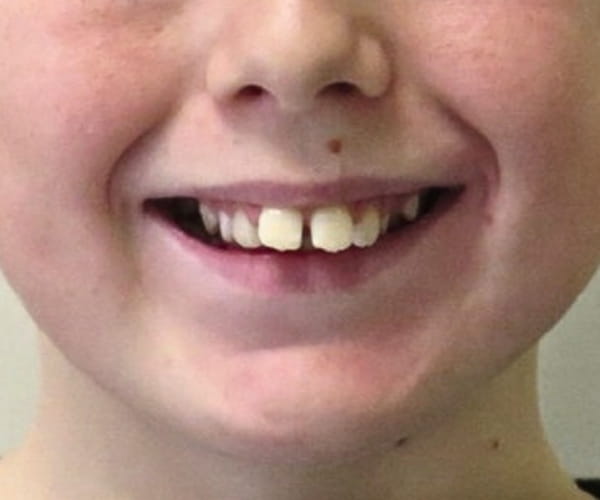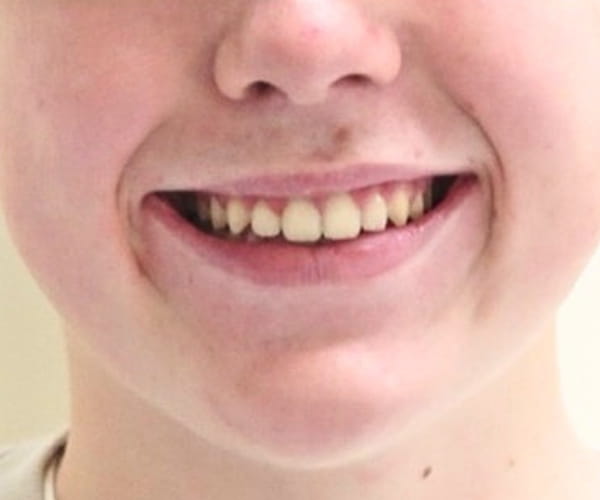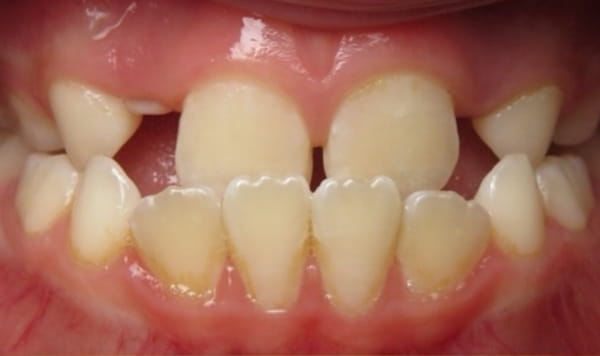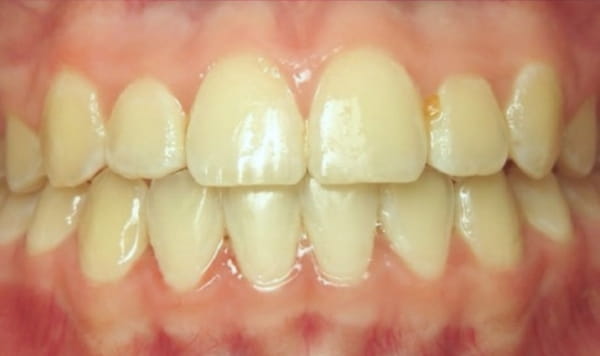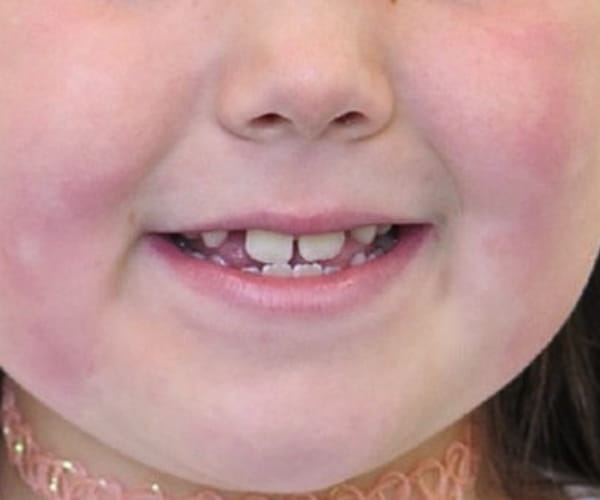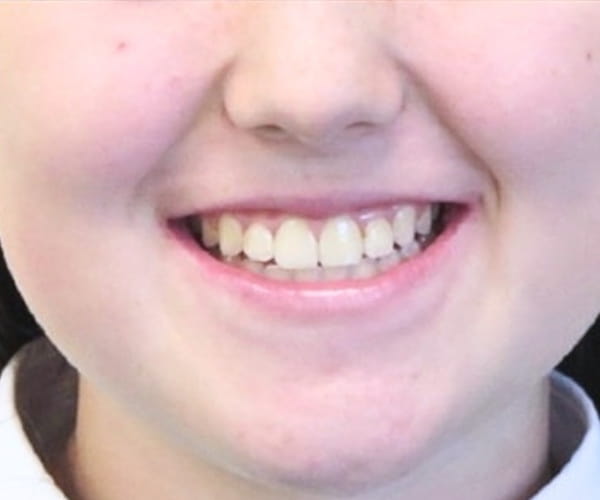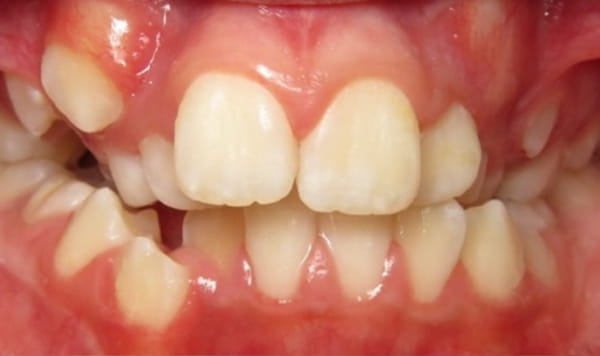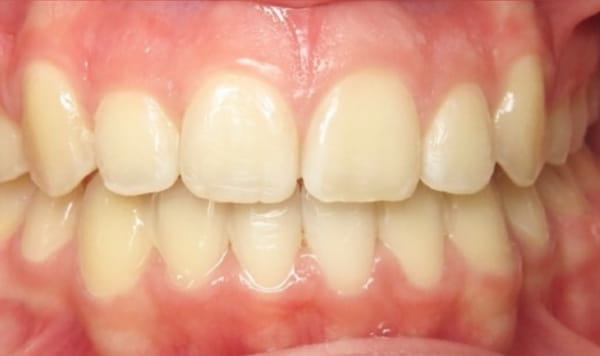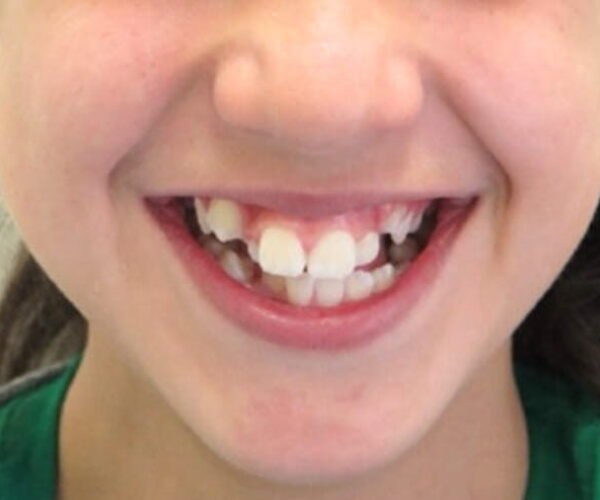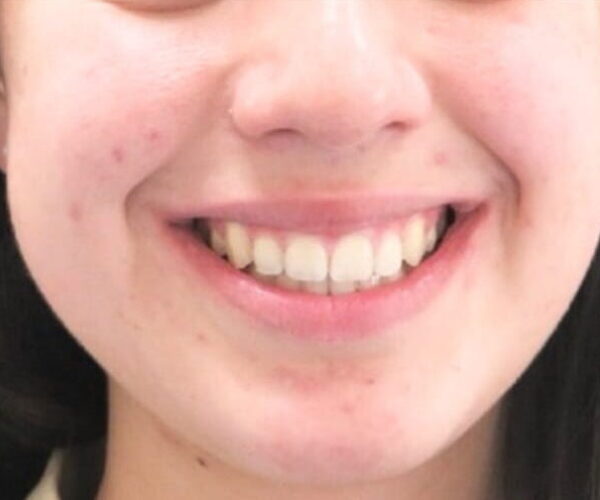
A class III bite — where the lower jaw is prominent relative to the upper, resulting in an underbite — can have both a dental and a skeletal component. In growing children, where the upper jaw is underdeveloped or held back relative to the lower, facemask therapy offers a non-surgical way to advance the upper jaw forward using the child’s own growth potential.
This is a treatment that is only effective in growing children. The window for facemask therapy is limited — it is most effective before the mid-facial growth plates begin to close, typically before the age of 10, though selected cases can be treated successfully up to the early teenage years. Once growth is complete, the same correction requires surgical intervention. Acting within this window can make a profound difference to the outcome — and potentially avoid surgery altogether.
A facemask (also called a reverse pull headgear or protraction facemask) is an orthodontic device worn externally, resting against the forehead and chin, with elastic bands that attach to hooks inside the mouth — typically to a palatal expander or fixed appliance inside the upper arch. The elastics apply a gentle forward force to the upper jaw, stimulating its forward growth and bone remodelling at the mid-facial sutures.
The device is worn at home — typically for 12 to 16 hours per day, including during sleep — and is removed for school, sport, and social occasions. Because it is worn mainly at home, most children find it more acceptable than it might initially appear.
In most children, facemask therapy is used in combination with palatal expansion. There are two reasons for this.
First, many children with a class III bite also have a narrow upper arch — widening the palate simultaneously with protraction addresses both the transverse and the anteroposterior dimensions of the jaw relationship.
Second, separating the midpalatal suture through expansion loosens the bony sutures of the mid-face, making the upper jaw more responsive to the forward protraction forces of the facemask. The combination of expansion and protraction produces more consistent and significant forward movement of the upper jaw than protraction alone.
In selected cases, MARPE combined with a facemask can be used in older children where the suture is less responsive — delivering the expansion needed to mobilise the suture before forward protraction is applied.
In a growing child with a skeletal class III pattern driven by an underdeveloped upper jaw, facemask therapy can:
Results are most significant and stable when treatment is initiated early and when the child is compliant with the wearing schedule.
Following the active facemask phase, the child typically wears a retaining appliance to maintain the correction achieved while growth continues. In most cases, comprehensive orthodontic treatment — fixed braces or aligners — is carried out in the teenage years to align the teeth and finalise the bite once the permanent dentition has fully erupted.
Monitoring throughout and after treatment is important, as the jaw relationship may change during the adolescent growth spurt. Some children with a significant underlying skeletal discrepancy will ultimately benefit from orthognathic surgery in adulthood to achieve the best possible skeletal result — but early facemask therapy maximises the non-surgical correction achieved and reduces the degree of surgical correction subsequently required.
If your child has an underbite, a class III bite, or a flat mid-face, an early specialist assessment is important. Book an appointment at Lusk Orthodontics to find out whether facemask therapy is appropriate and whether your child is still in the optimal treatment window.

5.0
We highly recommend Dr Erfan Sallom. He transformed our daughter’s teeth, and she’s extremely happy with her beautiful smile! We were looking for an Orthodontist who had a reputable history, gave excellent results, held high standards, was kind and gentle, and that is what we got. She didn’t have to get any teeth removed, which was a bonus. Really appreciated the individual time, updates, never felt rushed, and a personable approach. Thank you, Erfan. – Georgina
5.0
I was very anxious about orthodontic treatment and, as such, delayed it for years. I did not need to be nervous with the expertise and professionalism of Erfan. He was very motivational and ensured I achieved an excellent result. I am now extremely happy with my smile. I would not hesitate to recommend him to anyone. – Ciara K
5.0
I would really recommend anyone to Dr Erfan Salloum. My experience with Erfan was amazing. I had no issue; he was very knowledgeable about his work and was always happy to explain the next steps with my treatment and concerns, or answer any questions about my treatment plan, etc!
I would recommend Erfan to anyone, there’s no safer hands to be in than Erfan for sure! – Martin R
5.0
I have just finished my two-year orthodontic treatment with Dr Erfan, and I would highly recommend him. He explained everything perfectly about the treatment plan, and I was always treated with great care. You are in good hands! Many thanks. – Julie P
5.0
I would highly recommend Dr Erfan from start to finish. He took the time to make the entire process for our daughter as easy as possible. We are delighted with the results & she has received many compliments on her beautiful smile. – Caroline C
5.0
I’m very happy with my treatment and results. I was delighted with Dr Erfan Salloum’s attention to detail, and so happy he took the time to make sure everything was perfect. Thank you. – Orlaith D
5.0
My daughter has been under the care of Dr Erfan Salloum for the past three years, as she had a lot of work to be done. She has had braces removed, and the result is stunning. We are thrilled about how well everything went. – Elizabeth G
5.0
Absolutely delighted with my results. Thank you to Dr Erfan and his team for taking care of me so well! Treatment lasted 24 months, and it was so worth it. Would recommend it to everyone! – Ang
5.0
Everyone was very nice and professional, and Dr Erfan Salloum did a great job with my braces. – Matthew C
5.0
I am very grateful to Dr Efran Salloum for taking the time to do a free video consultation with me to discuss my issue. He listened attentively to my concerns, offered insight and advised me of a range of clear options to explore for my particular issue (which concerns narrow airways). I very much appreciated his expertise, which he conveyed with kindness and without expectation. I would highly recommend Dr Efran for his expert knowledge and professionalism. – Shelagh S
5.0
My daughter had a great experience, thrilled with the results. She was treated very well at every appointment and now has a gorgeous smile thanks to Erfan and the team. – Auds C
5.0
Incredibly happy with my experience with Dr Erfan. He was a pleasure to deal with throughout the process, explained everything clearly, offered all support needed, and the results have been absolutely perfect. Ultimately, I can’t recommend Dr Erfan highly enough. He and his team are incredibly professional and highly skilled, so you’ll be in safe hands throughout your treatment. – Laurence W
5.0
We highly recommend Dr Erfan Sallom. He transformed our daughter’s teeth, and she’s extremely happy with her beautiful smile! We were looking for an Orthodontist who had a reputable history, gave excellent results, held high standards, was kind and gentle, and that is what we got. She didn’t have to get any teeth removed, which was a bonus. Really appreciated the individual time, updates, never felt rushed, and a personable approach. Thank you, Erfan. – Georgina
5.0
I was very anxious about orthodontic treatment and, as such, delayed it for years. I did not need to be nervous with the expertise and professionalism of Erfan. He was very motivational and ensured I achieved an excellent result. I am now extremely happy with my smile. I would not hesitate to recommend him to anyone. – Ciara K
5.0
I would really recommend anyone to Dr Erfan Salloum. My experience with Erfan was amazing. I had no issue; he was very knowledgeable about his work and was always happy to explain the next steps with my treatment and concerns, or answer any questions about my treatment plan, etc!
I would recommend Erfan to anyone, there’s no safer hands to be in than Erfan for sure! – Martin R
5.0
I have just finished my two-year orthodontic treatment with Dr Erfan, and I would highly recommend him. He explained everything perfectly about the treatment plan, and I was always treated with great care. You are in good hands! Many thanks. – Julie P
5.0
I would highly recommend Dr Erfan from start to finish. He took the time to make the entire process for our daughter as easy as possible. We are delighted with the results & she has received many compliments on her beautiful smile. – Caroline C
5.0
I’m very happy with my treatment and results. I was delighted with Dr Erfan Salloum’s attention to detail, and so happy he took the time to make sure everything was perfect. Thank you. – Orlaith D
5.0
My daughter has been under the care of Dr Erfan Salloum for the past three years, as she had a lot of work to be done. She has had braces removed, and the result is stunning. We are thrilled about how well everything went. – Elizabeth G
5.0
Absolutely delighted with my results. Thank you to Dr Erfan and his team for taking care of me so well! Treatment lasted 24 months, and it was so worth it. Would recommend it to everyone! – Ang
5.0
Everyone was very nice and professional, and Dr Erfan Salloum did a great job with my braces. – Matthew C
5.0
I am very grateful to Dr Efran Salloum for taking the time to do a free video consultation with me to discuss my issue. He listened attentively to my concerns, offered insight and advised me of a range of clear options to explore for my particular issue (which concerns narrow airways). I very much appreciated his expertise, which he conveyed with kindness and without expectation. I would highly recommend Dr Efran for his expert knowledge and professionalism. – Shelagh S
5.0
My daughter had a great experience, thrilled with the results. She was treated very well at every appointment and now has a gorgeous smile thanks to Erfan and the team. – Auds C
5.0
Incredibly happy with my experience with Dr Erfan. He was a pleasure to deal with throughout the process, explained everything clearly, offered all support needed, and the results have been absolutely perfect. Ultimately, I can’t recommend Dr Erfan highly enough. He and his team are incredibly professional and highly skilled, so you’ll be in safe hands throughout your treatment. – Laurence W
Dr Erfan Salloum is the founder and lead orthodontist at Lusk Orthodontics. Widely recognised as one of the most highly qualified orthodontists in Ireland, he specialises in complex orthodontic care, clear aligners,…
Read MORE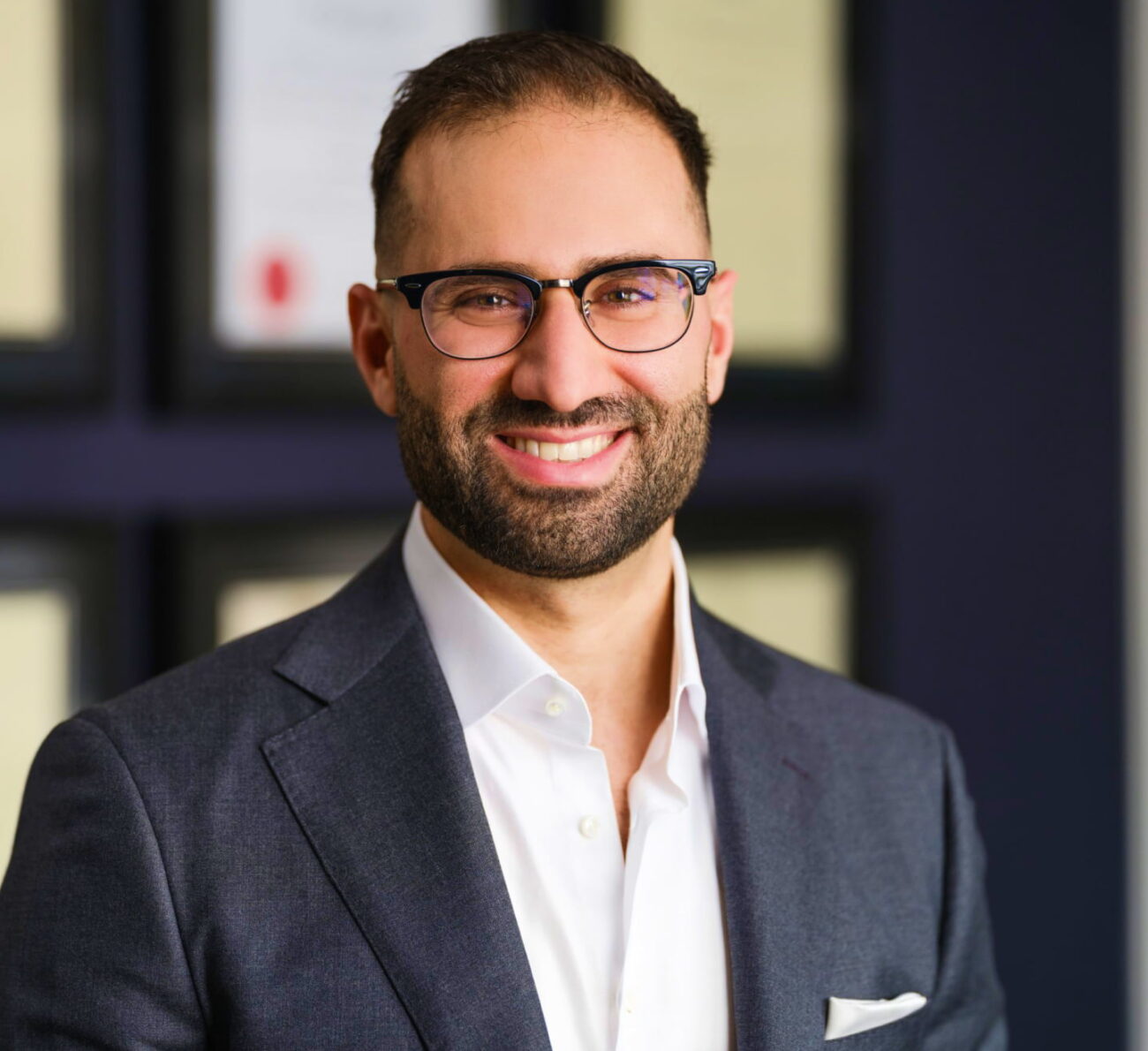
“We highly recommend Dr Erfan Sallom. He transformed our daughter’s teeth, and she’s extremely happy with her beautiful smile! We were looking for an Orthodontist...”

“I was very anxious about orthodontic treatment and, as such, delayed it for years. I did not need to be nervous with the expertise and...”
“I would really recommend anyone to Dr Erfan Salloum. My experience with Erfan was amazing. I had no issue; he was very knowledgeable about his...”
“I have just finished my two-year orthodontic treatment with Dr Erfan, and I would highly recommend him. He explained everything perfectly about the treatment plan,...”










Brackets on the upper front teeth are visible, though they are the same size and type used in standard fixed brace treatment. Many children find that wearing braces — even partially — is very much accepted and normalised among their peer group.
In many cases, yes — the 2×4 phase addresses a specific early problem, with comprehensive treatment planned later once the full permanent dentition has erupted. The 2×4 phase makes subsequent treatment simpler and more efficient by addressing the problem at the optimal time in development.
As with all fixed braces, some mild soreness after fitting and following wire changes is normal and settles within a couple of days. Most children adapt quickly and manage very well.

Book a consultation today and let our friendly team guide you towards a healthier, more confident smile with personalised advice, modern treatments, and genuine care every step of the way.
Book a Consultation BACK TO For ChildrenAt Lusk Orthodontics, we’re proud to offer one of the most comprehensive ranges of orthodontic treatments in Dublin and across Ireland — all delivered to the highest clinical standards.
Practice
Treatments
Terms
Discover behind-the-scenes care and amazing results on our Instagram. From patient transformations to everyday moments at our clinic, our feed is filled with smiles, stories, and inspiration.
Copyright