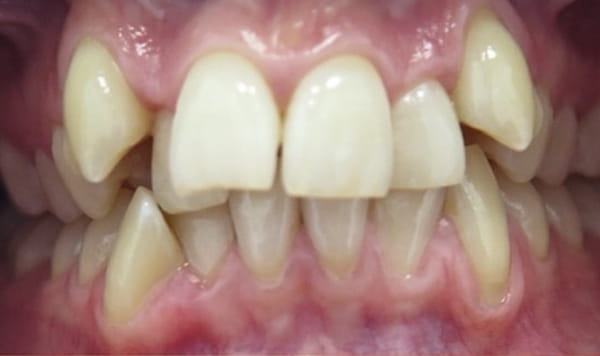
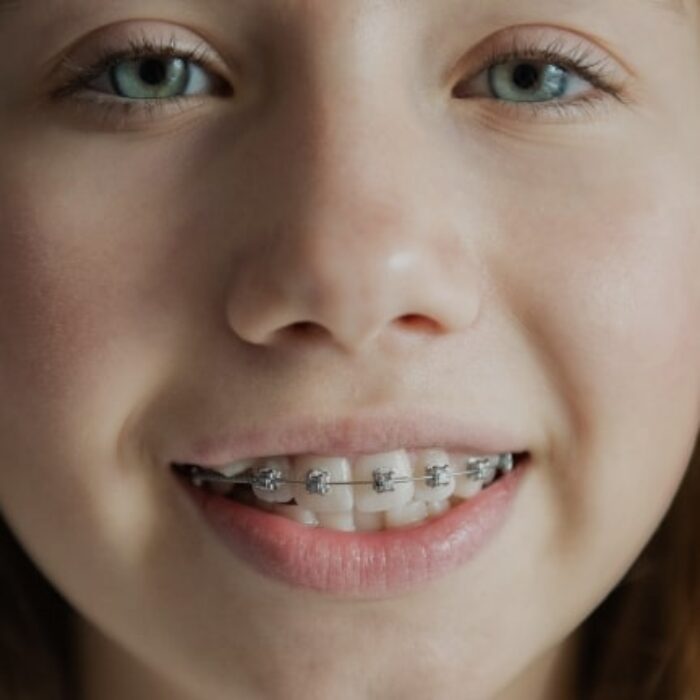
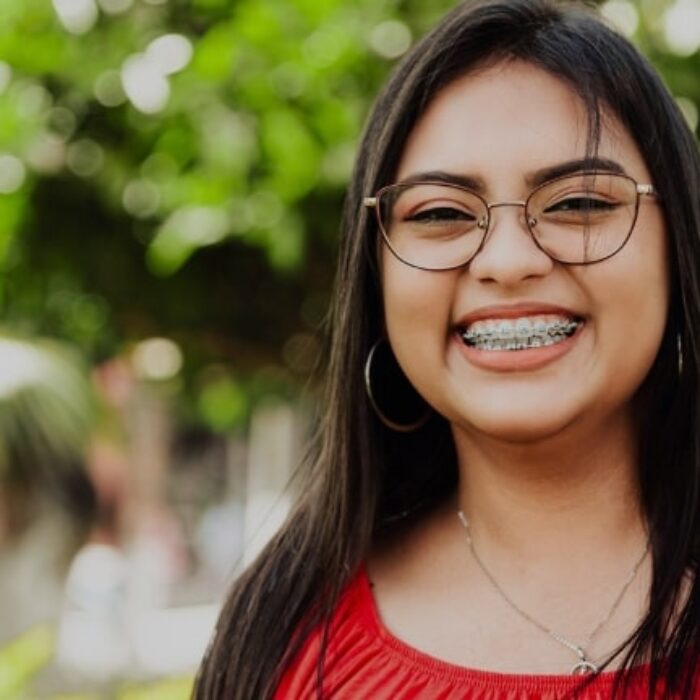
A narrow upper jaw is a common finding in adolescent patients and can contribute to crowding, crossbites, breathing difficulties, and sleep-disordered breathing. Palatal expansion widens the upper jaw by gradually separating the midpalatal suture — the growth plate running along the centre of the palate — and allowing new bone to form in the space created.
In younger children, the suture is wide open and responds well to conventional tooth-borne expanders. However, by the mid-teenage years, the suture begins to fuse and becomes progressively less responsive to tooth-borne expansion forces. In these patients, conventional expanders are less effective — they tend to produce dental tipping and tooth movement rather than the genuine skeletal expansion needed.
For adolescent patients whose suture is no longer fully responsive to tooth-borne expansion, MARPE (Miniscrew-Assisted Rapid Palatal Expansion) offers a bone-anchored alternative that bypasses the teeth entirely and delivers expansion forces directly to the palatal bone — achieving true skeletal widening of the upper jaw even when conventional approaches would fall short.
A traditional tooth-borne palatal expander works by pushing outward against the upper back teeth, which transmit that force to the surrounding bone and suture. In young children, where the suture is open and the bone is responsive, this works well.
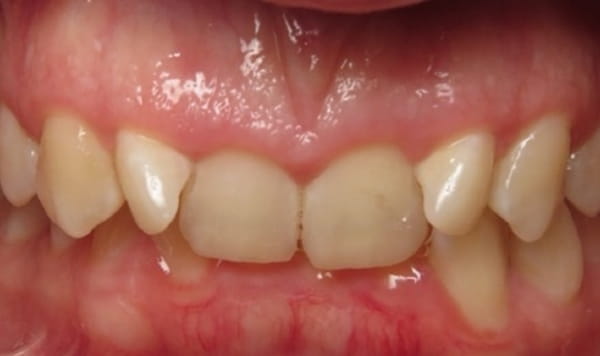
As adolescence progresses and the suture begins to interdigitate and ossify, the resistance to expansion increases significantly. Tooth-borne forces are increasingly absorbed by the teeth themselves rather than transmitted to the suture, resulting in dental tipping (the teeth tilting outward) rather than the jaw actually widening. This not only limits the effectiveness of treatment but can also compromise the positions of the anchor teeth.
MARPE eliminates this problem. By anchoring the expander to the palatal bone using four small titanium miniscrews (temporary anchorage devices), expansion forces bypass the teeth entirely and act directly on the suture. This allows genuine skeletal expansion to occur even in patients where a conventional expander would no longer be effective.
A bone-anchored palatal expander is secured to the palate using four small titanium miniscrews placed directly into the palatal bone under local anaesthetic. The miniscrews are temporary — they are removed once expansion is complete and the bone has consolidated.
The expander is activated by turning a small key inserted into an activation hole, typically once or twice daily for a defined period. As the expander is turned, the two halves of the device move apart, applying a gradually increasing force to the midpalatal suture. Over time, the suture separates and new bone forms in the gap — widening the dental arch, expanding the nasal base, and improving nasal airway volume.
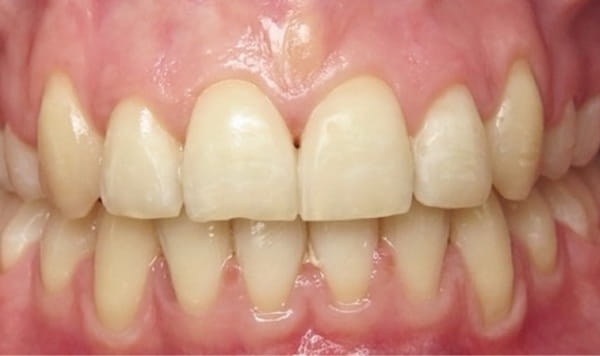
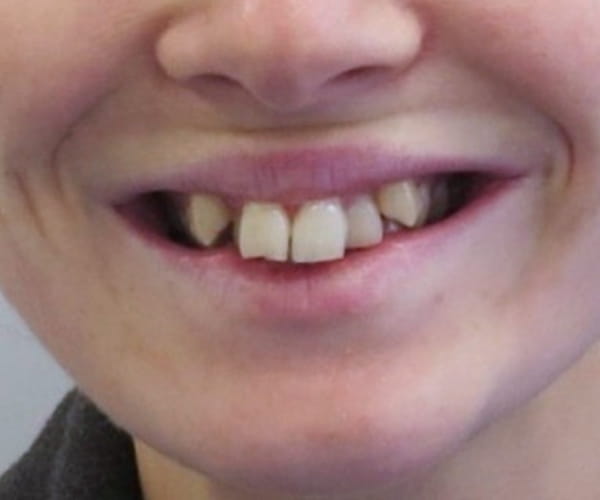
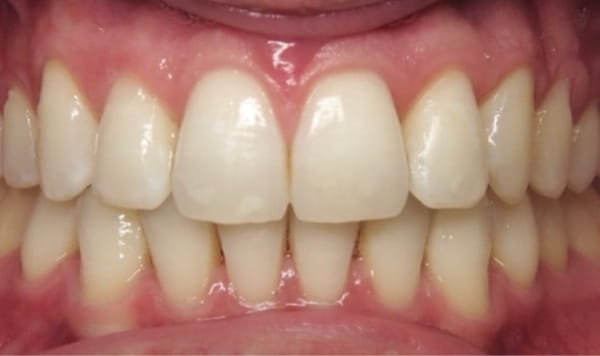
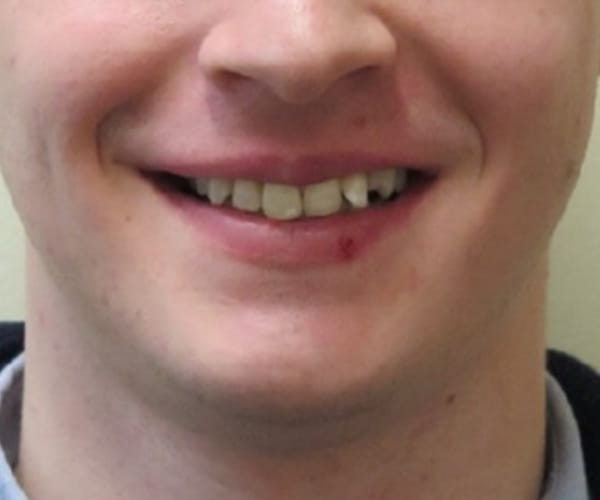
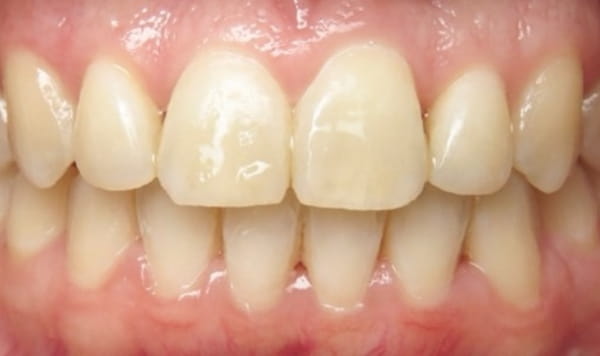
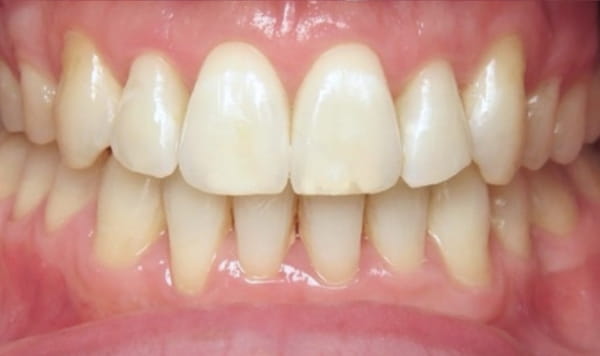
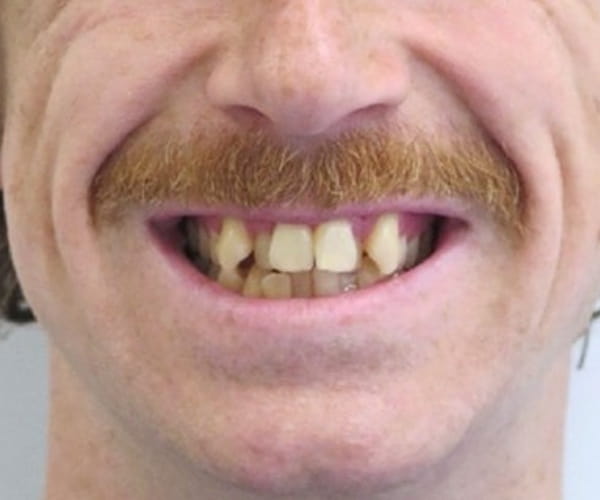
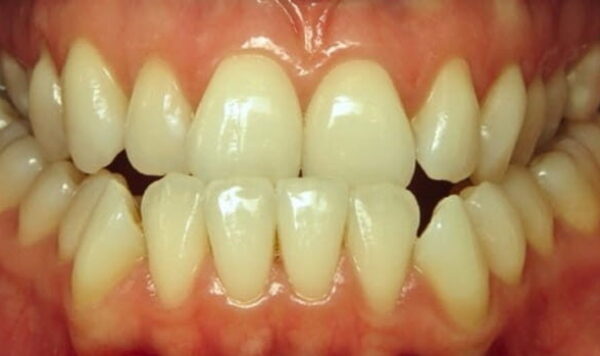
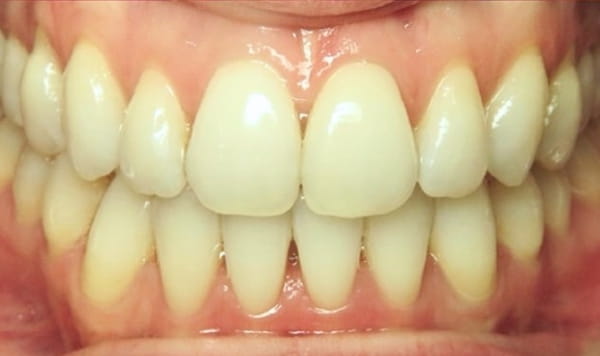
A small gap between the upper front teeth is normal during the active expansion phase — this is a sign that the suture is opening and is expected. The gap closes naturally as the bone consolidates following the end of active expansion.
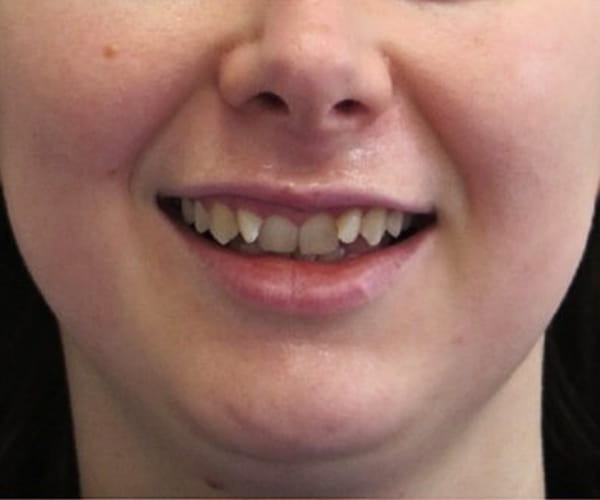
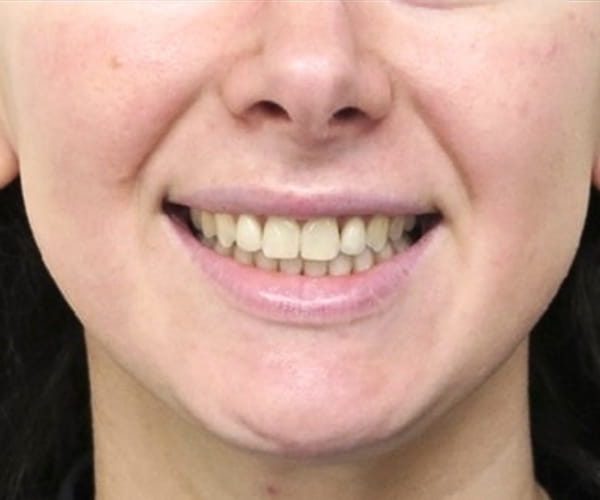
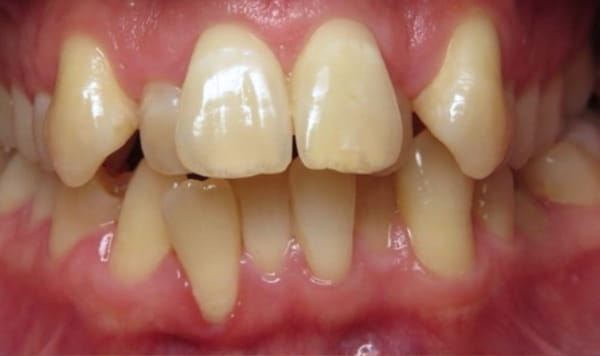
Dental arch widening — correcting a narrow upper arch, resolving posterior crossbites, and creating space to reduce or eliminate crowding.
Nasal airway improvement — widening the upper jaw widens the nasal floor and increases the volume of the nasal airway, which can significantly improve nasal breathing in adolescents who are habitual mouth breathers due to nasal constriction.
Support for sleep-disordered breathing — in adolescents with sleep-disordered breathing related to a narrow upper airway, MARPE can be a meaningful component of a broader management plan.
Improved foundation for subsequent treatment — where crowding or crossbite is present, expansion creates the space and arch width needed for more efficient and stable tooth alignment with fixed braces or aligners.
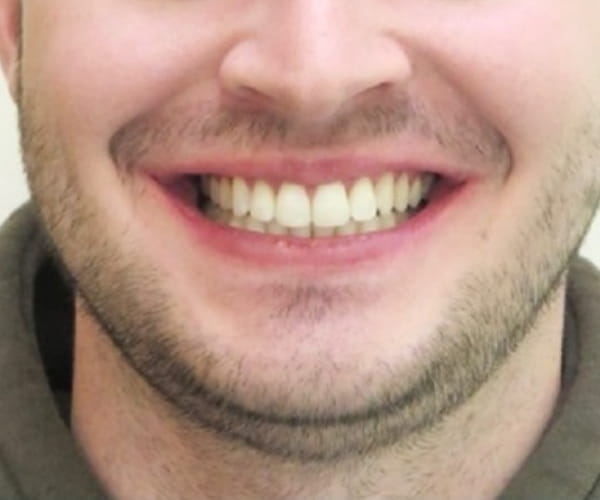
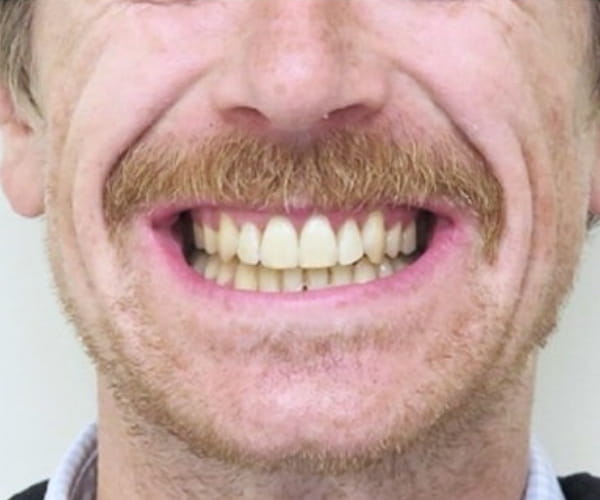
Following the active expansion phase, the expander is left in place for a consolidation period — typically three to six months — to allow the new bone to mature and stabilise. The expander is then removed, and fixed braces or clear aligners are used to align the teeth within the expanded arch.
In many cases, the combination of MARPE followed by fixed brace or aligner therapy produces a more comprehensive and stable result than tooth alignment alone would have achieved.
In selected adolescent patients, abnormal tongue posture or oral habits — such as a low resting tongue position or a tongue thrust swallowing pattern — are identified as part of the orthodontic assessment. These patterns are particularly common in adolescents who have been habitual mouth breathers, and they can limit the long-term stability of palatal expansion if not addressed, as the tongue plays an important role in maintaining arch width from the inside.
Where these habits are present following expansion, myofunctional therapy can be a valuable addition to the overall treatment plan. By retraining the tongue and surrounding muscles to function in a more optimal pattern, it supports the skeletal changes achieved through expansion and helps to establish healthier breathing and swallowing habits for the long term.
While myofunctional therapy is not offered at Lusk Orthodontics directly, we collaborate with experienced myofunctional therapists in Ireland and the UK, and are able to coordinate referral and ongoing communication where this forms part of a patient’s care.
To find out whether MARPE palatal expansion is appropriate for your teenager, book a specialist assessment at Lusk Orthodontics, including a review of current imaging.

5.0
We highly recommend Dr Erfan Sallom. He transformed our daughter’s teeth, and she’s extremely happy with her beautiful smile! We were looking for an Orthodontist who had a reputable history, gave excellent results, held high standards, was kind and gentle, and that is what we got. She didn’t have to get any teeth removed, which was a bonus. Really appreciated the individual time, updates, never felt rushed, and a personable approach. Thank you, Erfan. – Georgina
5.0
I was very anxious about orthodontic treatment and, as such, delayed it for years. I did not need to be nervous with the expertise and professionalism of Erfan. He was very motivational and ensured I achieved an excellent result. I am now extremely happy with my smile. I would not hesitate to recommend him to anyone. – Ciara K
5.0
I would really recommend anyone to Dr Erfan Salloum. My experience with Erfan was amazing. I had no issue; he was very knowledgeable about his work and was always happy to explain the next steps with my treatment and concerns, or answer any questions about my treatment plan, etc!
I would recommend Erfan to anyone, there’s no safer hands to be in than Erfan for sure! – Martin R
5.0
I have just finished my two-year orthodontic treatment with Dr Erfan, and I would highly recommend him. He explained everything perfectly about the treatment plan, and I was always treated with great care. You are in good hands! Many thanks. – Julie P
5.0
I would highly recommend Dr Erfan from start to finish. He took the time to make the entire process for our daughter as easy as possible. We are delighted with the results & she has received many compliments on her beautiful smile. – Caroline C
5.0
I’m very happy with my treatment and results. I was delighted with Dr Erfan Salloum’s attention to detail, and so happy he took the time to make sure everything was perfect. Thank you. – Orlaith D
5.0
My daughter has been under the care of Dr Erfan Salloum for the past three years, as she had a lot of work to be done. She has had braces removed, and the result is stunning. We are thrilled about how well everything went. – Elizabeth G
5.0
Absolutely delighted with my results. Thank you to Dr Erfan and his team for taking care of me so well! Treatment lasted 24 months, and it was so worth it. Would recommend it to everyone! – Ang
5.0
Everyone was very nice and professional, and Dr Erfan Salloum did a great job with my braces. – Matthew C
5.0
I am very grateful to Dr Efran Salloum for taking the time to do a free video consultation with me to discuss my issue. He listened attentively to my concerns, offered insight and advised me of a range of clear options to explore for my particular issue (which concerns narrow airways). I very much appreciated his expertise, which he conveyed with kindness and without expectation. I would highly recommend Dr Efran for his expert knowledge and professionalism. – Shelagh S
5.0
My daughter had a great experience, thrilled with the results. She was treated very well at every appointment and now has a gorgeous smile thanks to Erfan and the team. – Auds C
5.0
Incredibly happy with my experience with Dr Erfan. He was a pleasure to deal with throughout the process, explained everything clearly, offered all support needed, and the results have been absolutely perfect. Ultimately, I can’t recommend Dr Erfan highly enough. He and his team are incredibly professional and highly skilled, so you’ll be in safe hands throughout your treatment. – Laurence W
5.0
We highly recommend Dr Erfan Sallom. He transformed our daughter’s teeth, and she’s extremely happy with her beautiful smile! We were looking for an Orthodontist who had a reputable history, gave excellent results, held high standards, was kind and gentle, and that is what we got. She didn’t have to get any teeth removed, which was a bonus. Really appreciated the individual time, updates, never felt rushed, and a personable approach. Thank you, Erfan. – Georgina
5.0
I was very anxious about orthodontic treatment and, as such, delayed it for years. I did not need to be nervous with the expertise and professionalism of Erfan. He was very motivational and ensured I achieved an excellent result. I am now extremely happy with my smile. I would not hesitate to recommend him to anyone. – Ciara K
5.0
I would really recommend anyone to Dr Erfan Salloum. My experience with Erfan was amazing. I had no issue; he was very knowledgeable about his work and was always happy to explain the next steps with my treatment and concerns, or answer any questions about my treatment plan, etc!
I would recommend Erfan to anyone, there’s no safer hands to be in than Erfan for sure! – Martin R
5.0
I have just finished my two-year orthodontic treatment with Dr Erfan, and I would highly recommend him. He explained everything perfectly about the treatment plan, and I was always treated with great care. You are in good hands! Many thanks. – Julie P
5.0
I would highly recommend Dr Erfan from start to finish. He took the time to make the entire process for our daughter as easy as possible. We are delighted with the results & she has received many compliments on her beautiful smile. – Caroline C
5.0
I’m very happy with my treatment and results. I was delighted with Dr Erfan Salloum’s attention to detail, and so happy he took the time to make sure everything was perfect. Thank you. – Orlaith D
5.0
My daughter has been under the care of Dr Erfan Salloum for the past three years, as she had a lot of work to be done. She has had braces removed, and the result is stunning. We are thrilled about how well everything went. – Elizabeth G
5.0
Absolutely delighted with my results. Thank you to Dr Erfan and his team for taking care of me so well! Treatment lasted 24 months, and it was so worth it. Would recommend it to everyone! – Ang
5.0
Everyone was very nice and professional, and Dr Erfan Salloum did a great job with my braces. – Matthew C
5.0
I am very grateful to Dr Efran Salloum for taking the time to do a free video consultation with me to discuss my issue. He listened attentively to my concerns, offered insight and advised me of a range of clear options to explore for my particular issue (which concerns narrow airways). I very much appreciated his expertise, which he conveyed with kindness and without expectation. I would highly recommend Dr Efran for his expert knowledge and professionalism. – Shelagh S
5.0
My daughter had a great experience, thrilled with the results. She was treated very well at every appointment and now has a gorgeous smile thanks to Erfan and the team. – Auds C
5.0
Incredibly happy with my experience with Dr Erfan. He was a pleasure to deal with throughout the process, explained everything clearly, offered all support needed, and the results have been absolutely perfect. Ultimately, I can’t recommend Dr Erfan highly enough. He and his team are incredibly professional and highly skilled, so you’ll be in safe hands throughout your treatment. – Laurence W
Dr Erfan Salloum is the founder and lead orthodontist at Lusk Orthodontics. Widely recognised as one of the most highly qualified orthodontists in Ireland, he specialises in complex orthodontic care, clear aligners,…
Read MORE

“We highly recommend Dr Erfan Sallom. He transformed our daughter’s teeth, and she’s extremely happy with her beautiful smile! We were looking for an Orthodontist...”

“I was very anxious about orthodontic treatment and, as such, delayed it for years. I did not need to be nervous with the expertise and...”
“I would really recommend anyone to Dr Erfan Salloum. My experience with Erfan was amazing. I had no issue; he was very knowledgeable about his...”
“I have just finished my two-year orthodontic treatment with Dr Erfan, and I would highly recommend him. He explained everything perfectly about the treatment plan,...”










Placement of the miniscrews is carried out under local anaesthetic and is generally well tolerated. Some pressure and mild soreness for one to two days following placement is normal. The expansion phase itself causes a feeling of pressure during and shortly after activation, which most patients find manageable.
Yes — a gap between the upper central incisors is a normal and expected sign that the suture is opening. It typically closes on its own as the bone consolidates after expansion is complete.
MARPE is most commonly used in patients from approximately 13–14 years onwards, when the suture has progressed beyond the stage where conventional tooth-borne expansion is reliable. A CBCT scan allows precise assessment of the suture status to guide the decision.
In most cases, yes. Expansion creates the ideal arch width; fixed braces or aligners then align the teeth within that expanded framework for a comprehensive and stable final result.

Book a consultation today and let our friendly team guide you towards a healthier, more confident smile with personalised advice, modern treatments, and genuine care every step of the way.
Book a Consultation BACK TO For AdolescentsAt Lusk Orthodontics, we’re proud to offer one of the most comprehensive ranges of orthodontic treatments in Dublin and across Ireland — all delivered to the highest clinical standards.
Practice
Treatments
Terms
Discover behind-the-scenes care and amazing results on our Instagram. From patient transformations to everyday moments at our clinic, our feed is filled with smiles, stories, and inspiration.
Copyright