Choosing between clear aligners and traditional braces is one of the most common questions patients ask when they first start looking into orthodontic treatment. Both approaches can help move teeth into a straighter position, but they work in different ways, suit different situations, and come with different day-to-day considerations. For patients in Dublin weighing up their options, understanding these differences before booking a consultation can make the decision-making process a good deal easier.
How each option compares in general terms. It isn’t intended to replace personalised advice from a dentist or orthodontist, who will assess your bite, tooth position and overall oral health before recommending a suitable treatment.
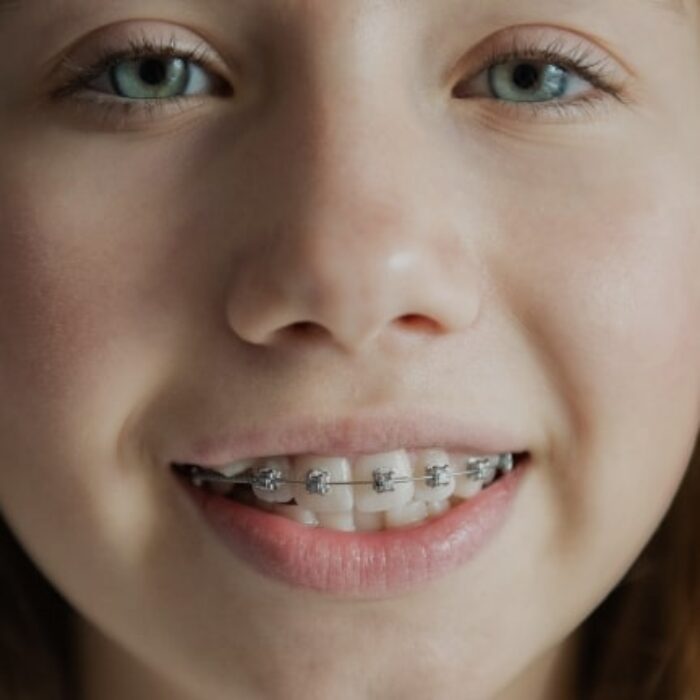
Traditional braces use fixed brackets bonded to the teeth, connected by a wire that is adjusted periodically to guide teeth into position. They are fixed in place for the duration of treatment.
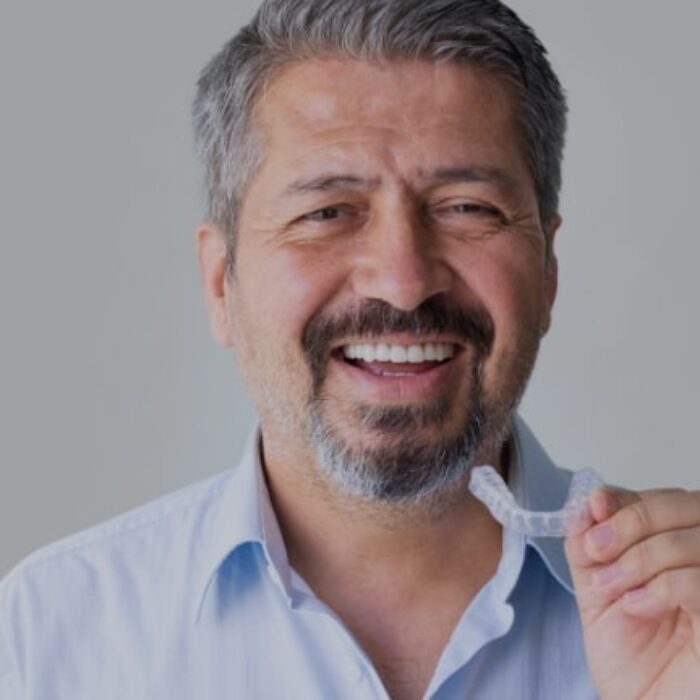
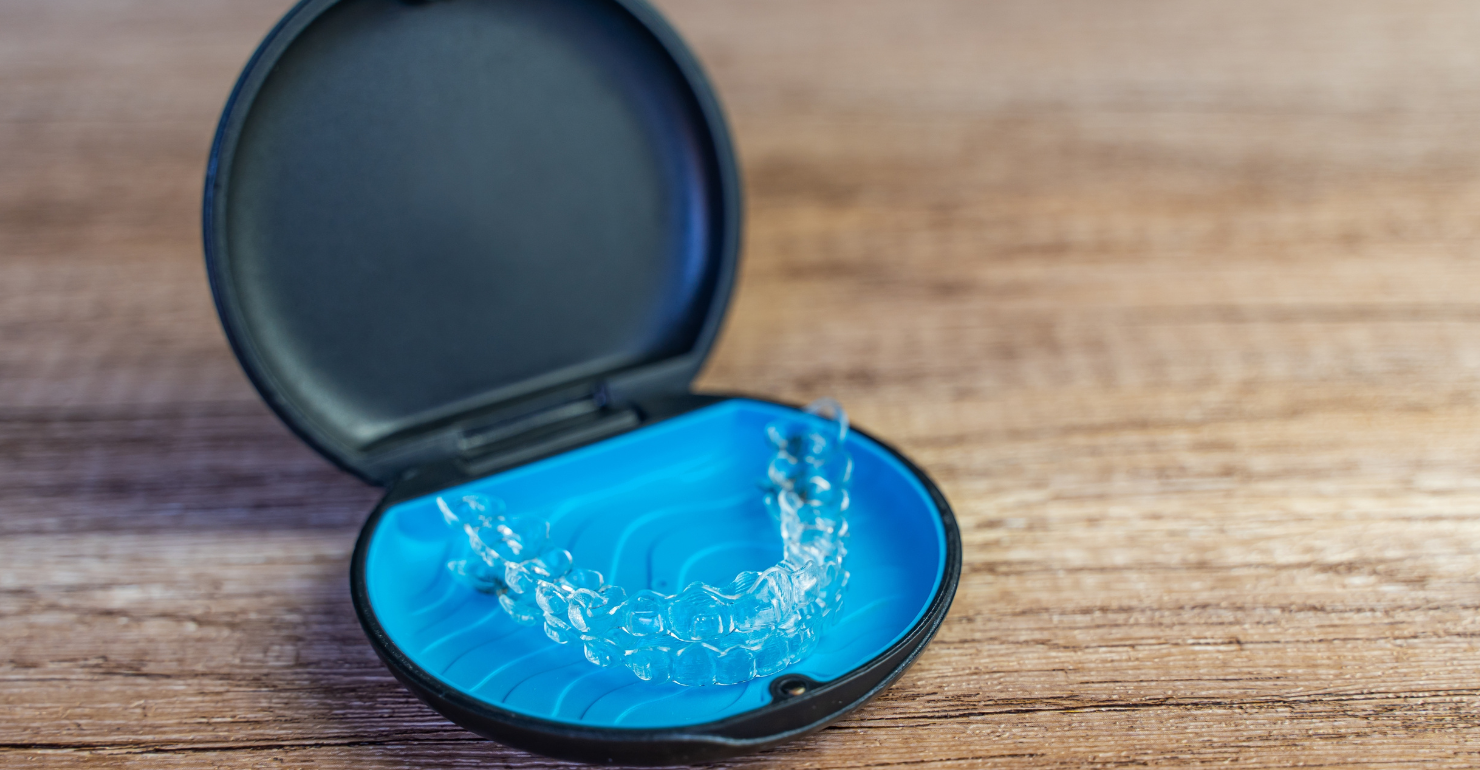
Clear aligners are a series of removable, custom-made plastic trays that are changed every one to two weeks, each one shifting the teeth slightly further towards the planned position.
A Quick Comparison
| Factor | Traditional Braces | Clear Aligners |
|---|---|---|
| Visibility | Noticeable, though ceramic options exist | Discreet, hard to notice at a distance |
| Removability | Fixed for full treatment | Removable for eating and cleaning |
| Diet restrictions | Some foods best avoided | Fewer restrictions, as trays are removed to eat |
| Cleaning | Requires extra care around brackets | Straightforward, as aligners come out |
| Patient responsibility | Lower, as they can’t be removed | Higher, as consistent wear time is needed |
| Suitability | Wide range of cases, including complex ones | Generally suited to mild-to-moderate cases |
Traditional braces tend to be suitable for a broader range of orthodontic issues, including more complex bite corrections, and don’t rely on the patient remembering to wear anything. On the other hand, they are more visible, can make cleaning around the teeth trickier, and may require some dietary adjustments to avoid damaging brackets or wires.
Clear aligners are often chosen for their appearance and flexibility, since they can be taken out for meals, brushing and special occasions. The trade-off is that results depend on discipline — most aligner systems need to be worn for around 20 to 22 hours a day to stay on track, and they may not be the appropriate choice for every type of misalignment.
Neither option is inherently better; the right choice depends on the individual’s bite, lifestyle, budget and personal preference, which is why a proper assessment matters more than general online comparisons.
Cost is often one of the deciding factors, though it varies considerably depending on the complexity of the case, the length of treatment, and the specific system used. Generally speaking:
Many dental practices across Dublin, including those offering Invisalign, provide consultations where the likely cost range can be discussed once a treatment plan has been outlined. It’s worth asking for a written breakdown so you can compare like for like.
Beyond the clinical side, day-to-day life plays a role in this decision. Patients who play contact sports, sing or play wind instruments, or simply prefer a lower-maintenance option sometimes weigh these factors as heavily as appearance or cost. Equally, patients who know they’ll struggle to keep track of removable trays may find fixed braces a more predictable option.
For those exploring Invisalign in Swords or nearby locations, a face-to-face consultation is generally the most reliable way to understand which system fits a particular lifestyle and daily routine.
Are clear aligners as effective as braces?
Both can be effective for suitable cases. Aligners tend to work well for mild-to-moderate misalignment, while braces can address a wider range of complexity, including more involved bite issues.
Do clear aligners take longer than braces?
Treatment time depends on the individual case rather than the system itself. Some cases finish sooner with aligners, others sooner with braces — it varies.
Can adults get either treatment?
Yes, both options are commonly used for adult patients, alongside teenagers, subject to a suitability assessment.
Is it painful to switch between aligner trays?
Some mild pressure or sensitivity when starting a new tray is common and is generally reported as manageable, though individual experiences vary.
Both traditional braces and clear aligners have a place in modern orthodontic care, and the right option comes down to individual circumstances rather than one being generally preferable to the other. Speaking with a dentist or orthodontist about your specific bite, budget and lifestyle is the most reliable way to make an informed decision.
BACK TO BLOGAt Lusk Orthodontics, we’re proud to offer one of the most comprehensive ranges of orthodontic treatments in Dublin and across Ireland — all delivered to the highest clinical standards.

5.0
We highly recommend Dr Erfan Sallom. He transformed our daughter’s teeth, and she’s extremely happy with her beautiful smile! We were looking for an Orthodontist…
5.0
I was very anxious about orthodontic treatment and, as such, delayed it for years. I did not need to be nervous with the expertise and…
5.0
I would really recommend anyone to Dr Erfan Salloum. My experience with Erfan was amazing. I had no issue; he was very knowledgeable about his…
5.0
I have just finished my two-year orthodontic treatment with Dr Erfan, and I would highly recommend him. He explained everything perfectly about the treatment plan,…
5.0
We highly recommend Dr Erfan Sallom. He transformed our daughter’s teeth, and she’s extremely happy with her beautiful smile! We were looking for an Orthodontist…
5.0
I was very anxious about orthodontic treatment and, as such, delayed it for years. I did not need to be nervous with the expertise and…
5.0
I would really recommend anyone to Dr Erfan Salloum. My experience with Erfan was amazing. I had no issue; he was very knowledgeable about his…
5.0
I have just finished my two-year orthodontic treatment with Dr Erfan, and I would highly recommend him. He explained everything perfectly about the treatment plan,…

“We highly recommend Dr Erfan Sallom. He transformed our daughter’s teeth, and she’s extremely happy with her beautiful smile! We were looking for an Orthodontist...”

“I was very anxious about orthodontic treatment and, as such, delayed it for years. I did not need to be nervous with the expertise and...”
“I would really recommend anyone to Dr Erfan Salloum. My experience with Erfan was amazing. I had no issue; he was very knowledgeable about his...”
“I have just finished my two-year orthodontic treatment with Dr Erfan, and I would highly recommend him. He explained everything perfectly about the treatment plan,...”


Practice
Treatments
Terms
Discover behind-the-scenes care and amazing results on our Instagram. From patient transformations to everyday moments at our clinic, our feed is filled with smiles, stories, and inspiration.
Copyright