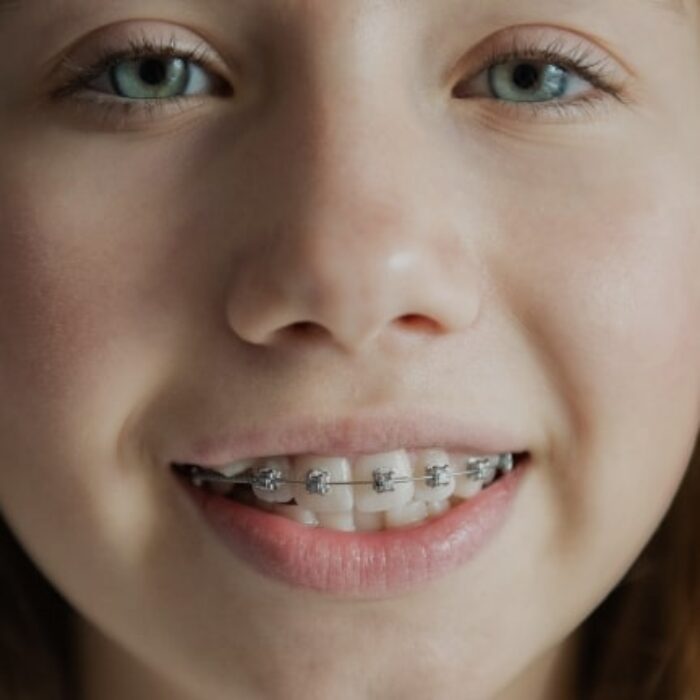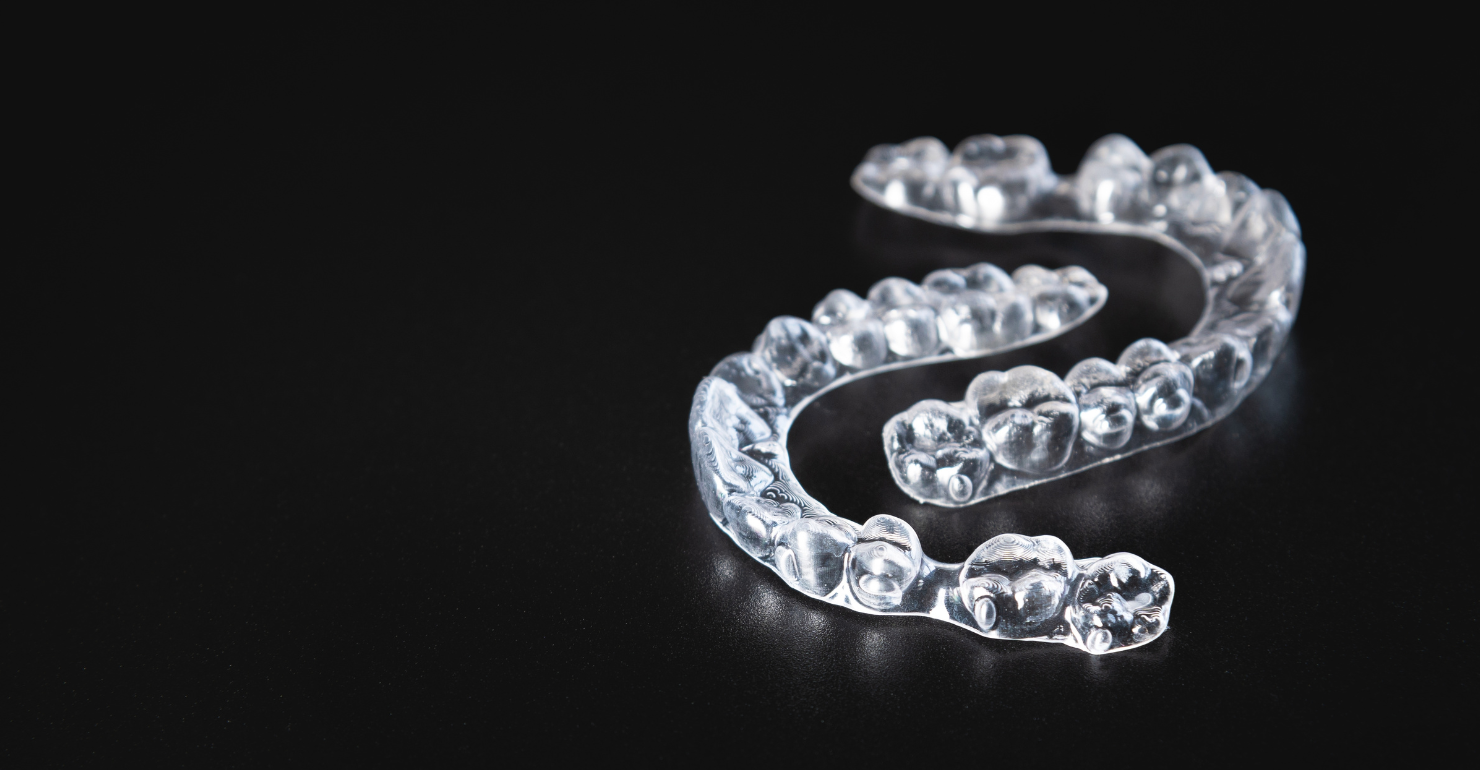
Straightening your teeth is no longer something associated mainly with teenagers. A growing number of adults in Dublin are asking about tooth alignment, often years or decades after they first considered it. The common thread in those conversations tends to be visibility: many patients want to move their teeth without a mouthful of metal on show during meetings, presentations or social occasions.
That preference has led to two broad categories of lower-visibility treatment: clear aligners and discreet fixed braces. They work differently, suit different situations, and involve different day-to-day habits. This article compares the two so you can have a more informed conversation with your dentist.
For younger patients, appearance during treatment is often a secondary concern. For working adults, it tends to sit near the top of the list. You might spend your day speaking to clients, teaching, or appearing on camera, and the idea of visible brackets can feel off-putting.
It is worth being honest about the word “invisible”, though. No orthodontic option is completely undetectable up close. What these approaches offer is reduced visibility compared with traditional metal braces — a meaningful difference, but not the same as being unseen.
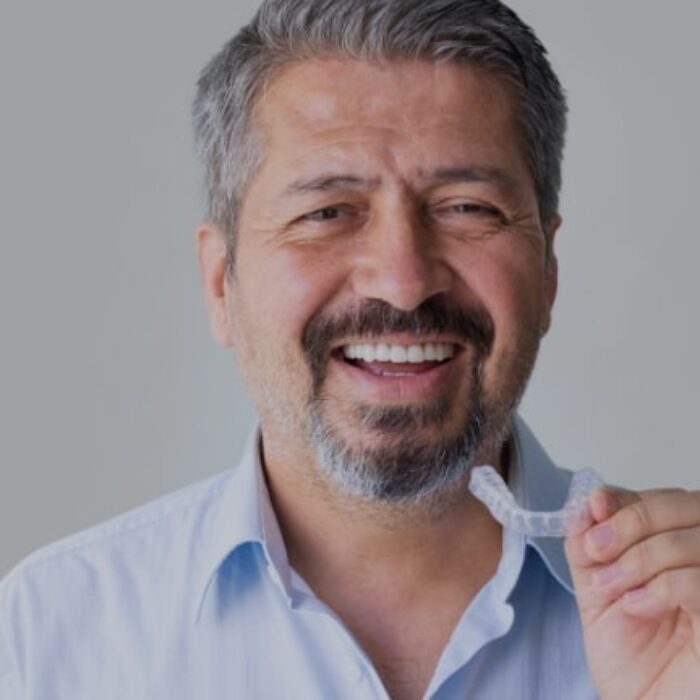
Clear aligners are removable, transparent trays made to fit your teeth. You wear a series of them, each moving the teeth a small amount, and change to the next set at intervals your dentist sets.
Points adults often raise:
“Discreet braces” usually refers to one of two things: ceramic (tooth-coloured) brackets fixed to the front of the teeth, or lingual braces fixed to the inner surface, facing the tongue.
Because they are fixed, neither type depends on you remembering to wear them, which some patients prefer.
| Consideration | Clear aligners | Discreet fixed braces |
|---|---|---|
| Visibility | Low — trays are clear | Low to very low, depending on type |
| Removable | Yes | No |
| Eating | No restrictions | Some foods to avoid |
| Cleaning | Straightforward | Needs more care around brackets |
| Suited to | Milder to moderate cases | A wider range, including some complex movements |
| Depends on daily habits | Considerably | Less so |
This is a general picture rather than a rule. The movements your teeth need make a real difference to what is appropriate, and only an in-person assessment can determine that.
Rather than asking which option is “better”, a more useful question is which suits your particular teeth and routine. A few factors usually come into it:
There is rarely a single answer that fits everyone, and two patients with similar-looking teeth can end up with different recommendations.
Visibility during treatment gets the most attention, but a few practical points deserve a mention because they shape the experience:
Each of these is a topic in its own right, and a good practice will talk you through them rather than leaving you to guess.
If you are considering treatment, an assessment with a dentist is where general information becomes specific to you. Bring your questions about visibility, timescales and daily upkeep — they are all reasonable things to raise.
Straightening teeth as an adult is a considered decision, and understanding how the main lower-visibility options differ is a sensible place to begin.
BACK TO BLOGAt Lusk Orthodontics, we’re proud to offer one of the most comprehensive ranges of orthodontic treatments in Dublin and across Ireland — all delivered to the highest clinical standards.

5.0
We highly recommend Dr Erfan Sallom. He transformed our daughter’s teeth, and she’s extremely happy with her beautiful smile! We were looking for an Orthodontist…
5.0
I was very anxious about orthodontic treatment and, as such, delayed it for years. I did not need to be nervous with the expertise and…
5.0
I would really recommend anyone to Dr Erfan Salloum. My experience with Erfan was amazing. I had no issue; he was very knowledgeable about his…
5.0
I have just finished my two-year orthodontic treatment with Dr Erfan, and I would highly recommend him. He explained everything perfectly about the treatment plan,…
5.0
We highly recommend Dr Erfan Sallom. He transformed our daughter’s teeth, and she’s extremely happy with her beautiful smile! We were looking for an Orthodontist…
5.0
I was very anxious about orthodontic treatment and, as such, delayed it for years. I did not need to be nervous with the expertise and…
5.0
I would really recommend anyone to Dr Erfan Salloum. My experience with Erfan was amazing. I had no issue; he was very knowledgeable about his…
5.0
I have just finished my two-year orthodontic treatment with Dr Erfan, and I would highly recommend him. He explained everything perfectly about the treatment plan,…

“We highly recommend Dr Erfan Sallom. He transformed our daughter’s teeth, and she’s extremely happy with her beautiful smile! We were looking for an Orthodontist...”

“I was very anxious about orthodontic treatment and, as such, delayed it for years. I did not need to be nervous with the expertise and...”
“I would really recommend anyone to Dr Erfan Salloum. My experience with Erfan was amazing. I had no issue; he was very knowledgeable about his...”
“I have just finished my two-year orthodontic treatment with Dr Erfan, and I would highly recommend him. He explained everything perfectly about the treatment plan,...”


Practice
Treatments
Terms
Discover behind-the-scenes care and amazing results on our Instagram. From patient transformations to everyday moments at our clinic, our feed is filled with smiles, stories, and inspiration.
Copyright