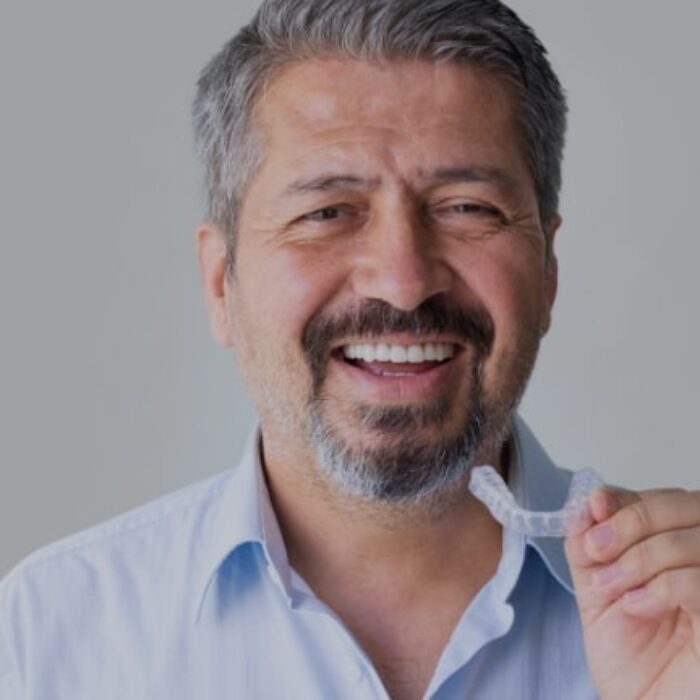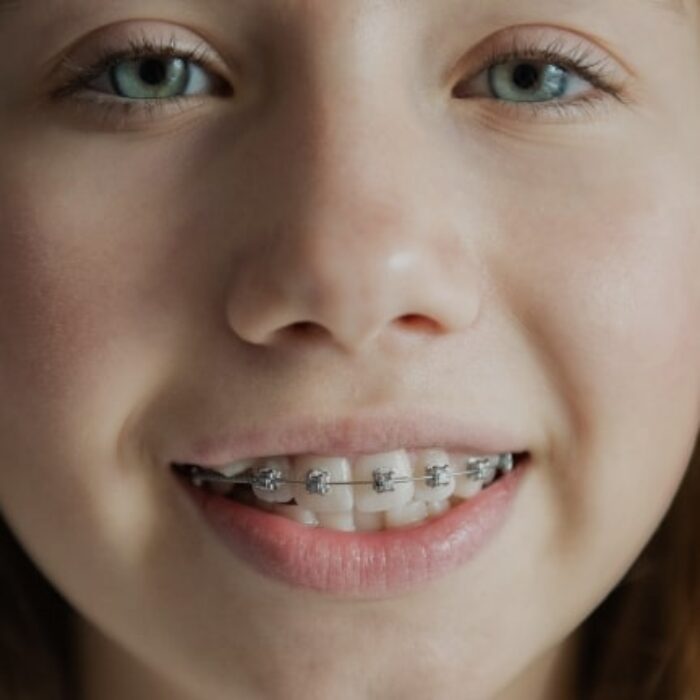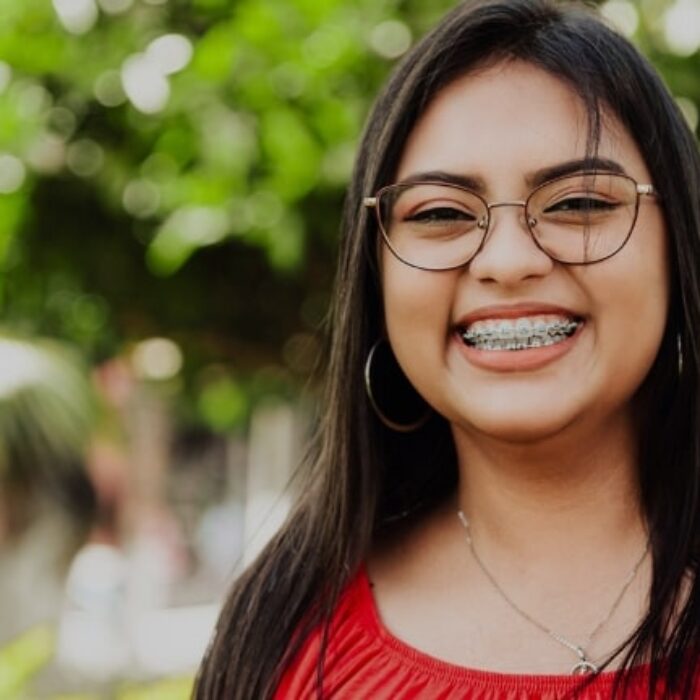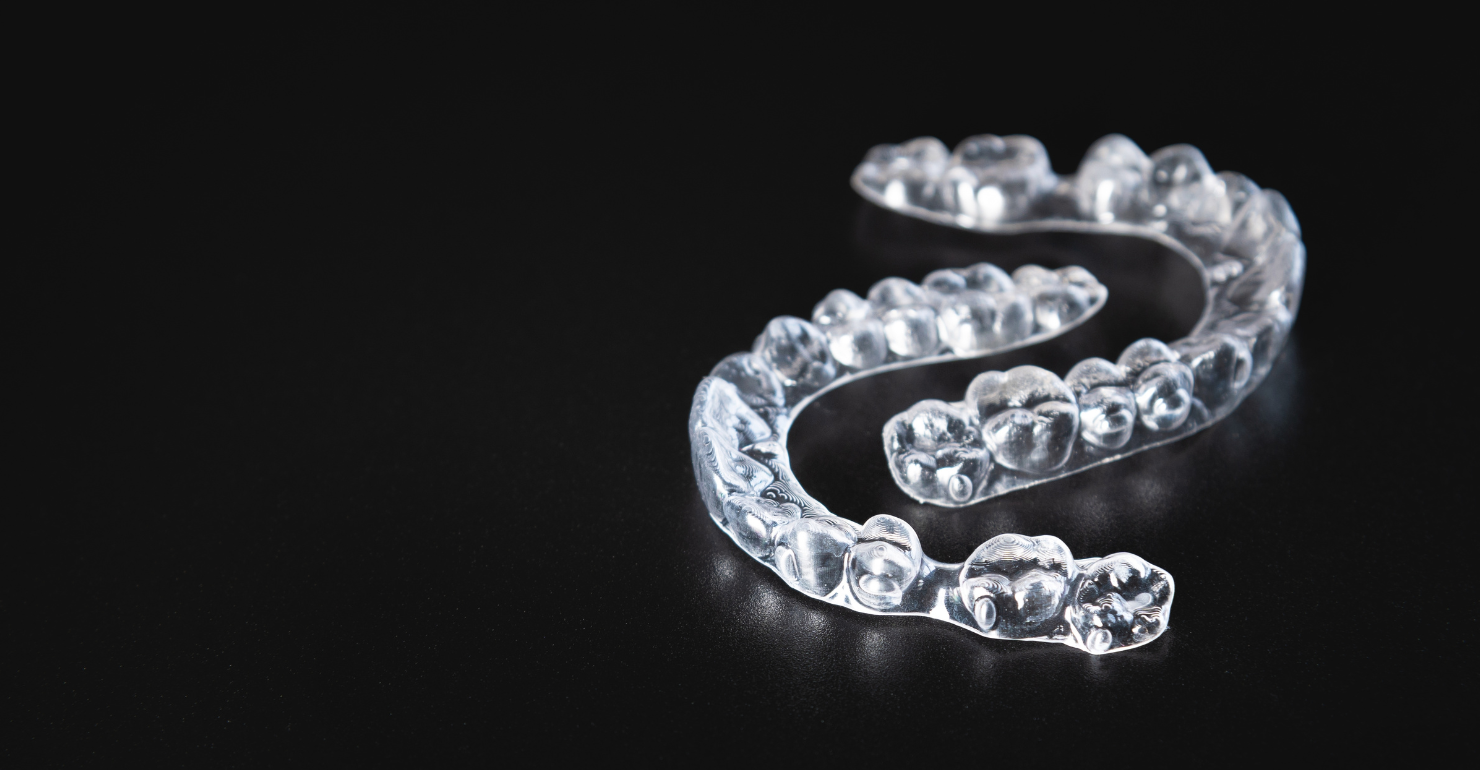
For many adults in Dublin considering orthodontic treatment, discretion is often as important as the outcome itself. Whether you’re presenting to clients in the IFSC, teaching a classroom, or simply prefer not to draw attention to your smile while it’s a work in progress, the idea of visible metal train-track braces can be off-putting. Fortunately, two well-established options offer a more discreet route to straighter teeth: lingual braces and clear aligners. Both can produce comparable results, but they work in quite different ways — and the right choice depends on your lifestyle, budget and personal preferences rather than on one option being inherently superior to the other.
How these two approaches compare, without going into the clinical detail you’d typically find on a treatment page — that’s a conversation best had with your orthodontist once you’ve narrowed down what matters most to you.
It’s worth pausing on what “discreet” actually means to you, because lingual braces and clear aligners achieve invisibility in quite different ways:
Neither is objectively “more discreet” — it depends on whether you’re more concerned about visibility during close-up conversation or about avoiding any hint of dental appliances altogether.
| Lingual Braces | Clear Aligners | |
|---|---|---|
| Removable? | No — fixed in place throughout treatment | Yes — designed to be taken out for eating and cleaning |
| Visibility | Hidden behind the teeth | Transparent, worn over the teeth |
| Speech | May affect speech initially, particularly with certain sounds | Some initial lisping is commonly reported, usually settling quickly |
| Diet | No removal means no decisions about when to eat | Requires discipline to remove and refit consistently |
| Cleaning | Cleaning requires some adaptation, as brushing behind the teeth is less familiar | Standard brushing and flossing, plus cleaning the aligners themselves |
| Suitability | Orthodontists assess this on a case-by-case basis | Orthodontists assess this on a case-by-case basis |
This table is a general comparison rather than a guarantee of individual experience — how each option feels varies from person to person, and only a qualified dental professional can advise on which is appropriate for your particular bite and alignment.
Rather than assuming one option is “better”, it may help to reflect on a few practical questions before your consultation:
There’s no universally “right” answer — only the option that suits your circumstances, which is why a proper assessment by a dental professional is an essential first step.
BACK TO BLOGAt Lusk Orthodontics, we’re proud to offer one of the most comprehensive ranges of orthodontic treatments in Dublin and across Ireland — all delivered to the highest clinical standards.

5.0
We highly recommend Dr Erfan Sallom. He transformed our daughter’s teeth, and she’s extremely happy with her beautiful smile! We were looking for an Orthodontist…
5.0
I was very anxious about orthodontic treatment and, as such, delayed it for years. I did not need to be nervous with the expertise and…
5.0
I would really recommend anyone to Dr Erfan Salloum. My experience with Erfan was amazing. I had no issue; he was very knowledgeable about his…
5.0
I have just finished my two-year orthodontic treatment with Dr Erfan, and I would highly recommend him. He explained everything perfectly about the treatment plan,…
5.0
We highly recommend Dr Erfan Sallom. He transformed our daughter’s teeth, and she’s extremely happy with her beautiful smile! We were looking for an Orthodontist…
5.0
I was very anxious about orthodontic treatment and, as such, delayed it for years. I did not need to be nervous with the expertise and…
5.0
I would really recommend anyone to Dr Erfan Salloum. My experience with Erfan was amazing. I had no issue; he was very knowledgeable about his…
5.0
I have just finished my two-year orthodontic treatment with Dr Erfan, and I would highly recommend him. He explained everything perfectly about the treatment plan,…

“We highly recommend Dr Erfan Sallom. He transformed our daughter’s teeth, and she’s extremely happy with her beautiful smile! We were looking for an Orthodontist...”

“I was very anxious about orthodontic treatment and, as such, delayed it for years. I did not need to be nervous with the expertise and...”
“I would really recommend anyone to Dr Erfan Salloum. My experience with Erfan was amazing. I had no issue; he was very knowledgeable about his...”
“I have just finished my two-year orthodontic treatment with Dr Erfan, and I would highly recommend him. He explained everything perfectly about the treatment plan,...”


Practice
Treatments
Terms
Discover behind-the-scenes care and amazing results on our Instagram. From patient transformations to everyday moments at our clinic, our feed is filled with smiles, stories, and inspiration.
Copyright